


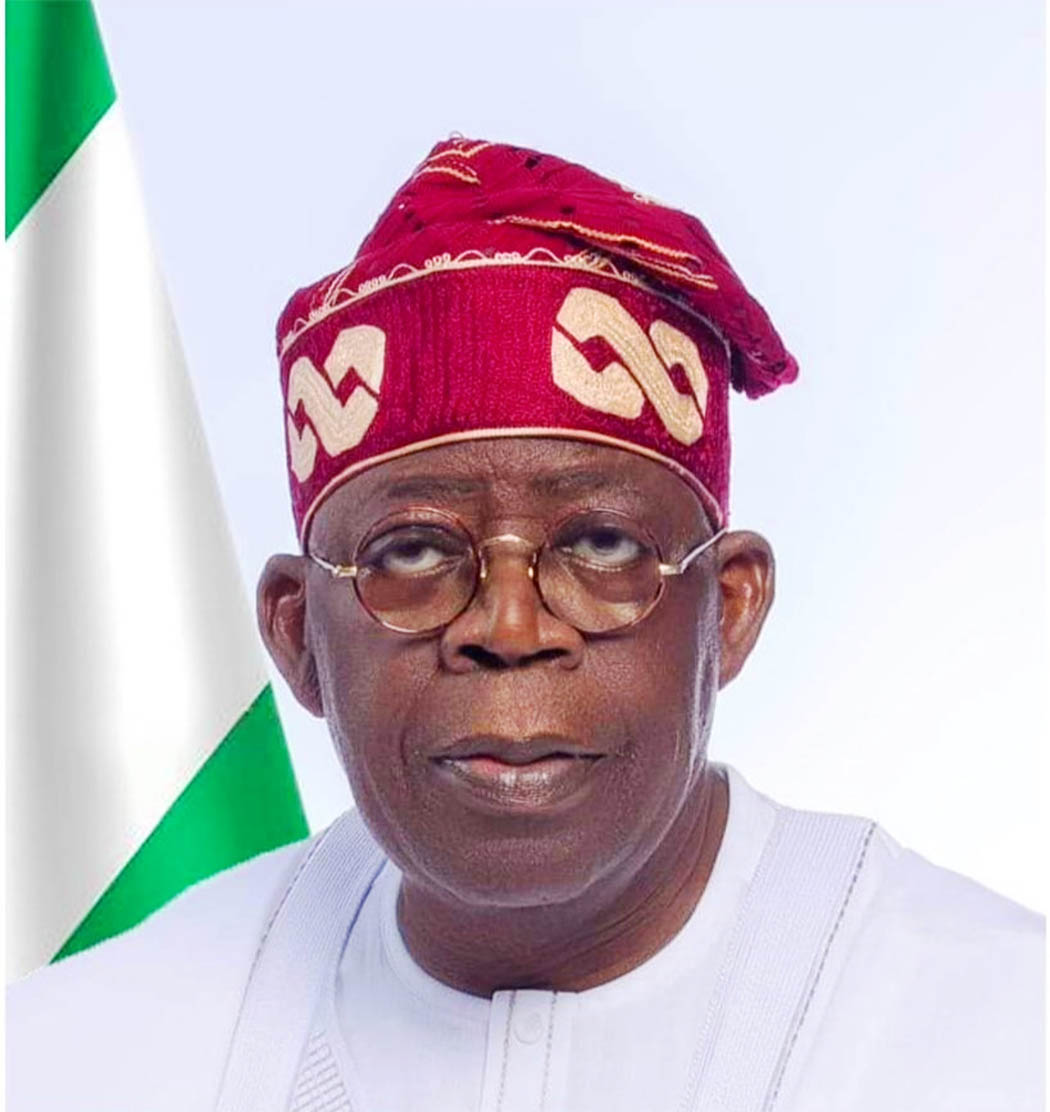
21 Days Abroad: Tinubu’s Absence Triggers Fresh Constitutional Debate as Presidency Defends Remote Governance
President Bola Ahmed Tinubu’s extended stay outside Nigeria has sparked a renewed debate over the constitutional procedure governing presidential absence, with opposition figures calling for clarification on whether presidential powers should have been formally transmitted to Vice President Kashim Shettima.
Tinubu left Nigeria on August 30 for what the Presidency described as a working vacation, initially expected to last three weeks.
He travelled first to London and subsequently to Paris, where he held meetings, including one with French President Emmanuel Macron. On September 21, the Presidency announced that the President had extended his stay by a few days and would return to Nigeria at the weekend.
The controversy intensified after Oyo State Governor and Allied People’s Movement presidential candidate Seyi Makinde argued that Tinubu should have transmitted presidential authority to the Vice President after being away for more than 21 days. Makinde said Section 145 of the Constitution provides for a written declaration to the President of the Senate and Speaker of the House of Representatives when the President proceeds on vacation or is otherwise unable to discharge the functions of office.
The African Democratic Congress (ADC) has similarly asked whether such a declaration was transmitted, with its National Publicity Secretary, Bolaji Abdullahi, questioning the constitutional basis for the continued absence of both Tinubu and Shettima from Nigeria. The party also called on the National Assembly to clarify whether it had received the declaration contemplated under Section 145.
African Action Congress presidential candidate Omoyele Sowore also called on the National Assembly to invoke Section 145(2), while asking Senate President Godswill Akpabio and House Speaker Tajudeen Abbas to clarify whether they had received any written declaration from the President.
The Presidency, however, has maintained that Tinubu remains fully engaged in the affairs of government despite being abroad. Special Adviser to the President on Policy Communication, Daniel Bwala, argued that the President’s constitutional powers are not geographically restricted and that he can issue directives, delegate responsibilities and administer government from outside the country.
The Presidency has also pointed to Tinubu’s continued engagement with developments at home during the trip, including his direction of government responses to national issues. An official statement announcing the extension of his vacation said the President had remained in touch with developments in Nigeria and continued directing the affairs of government while abroad.
Adding another dimension to the debate, Vice President Shettima left Nigeria on September 20 for New York to represent the President at the 81st United Nations General Assembly, meaning both the President and Vice President were simultaneously outside the country.
Senate President Godswill Akpabio has also addressed questions arising from the situation, including speculation about who would assume presidential functions in the absence of both Tinubu and Shettima.
At the centre of the unfolding debate is the interpretation and application of Section 145 of the 1999 Constitution, particularly the circumstances under which a President proceeding on vacation or otherwise unable to discharge the functions of office is required to transmit a written declaration to the National Assembly.
For now, the Presidency maintains that governance has continued without interruption and that Tinubu remains constitutionally empowered to direct the affairs of the country from abroad, while opposition parties and political figures continue to seek clarification on the formal constitutional process governing presidential absence.


