


By Mustapha Muhammad
The popular BBC’s Hausa Program A FADA A CIKA with the support from Mac Arthur Foundation has prompted the northwestern state of Jigawa to construct a gigantic water project on top of the hill of Gwari, the town that suffered water scarcity for century.
The Jigawa state government has constructed a water plant to supply portable drinking water to the top of the hills of Gwari, the project that gulp one hundred million naira (N100, 000, 000) according to officials.

Gwari is a hilly town within the capital of Jigawa state Dutse; with population of more than four thousand households (4,000) that used donkey to fetch water on the ground level to take it up to the hill top.
The difficulties that the residents faced on water scarcity was unbearable to carry water mount hill top with 882 meters high, but now the government has provided a portable water to the hill top, it brought succour to the entire community.

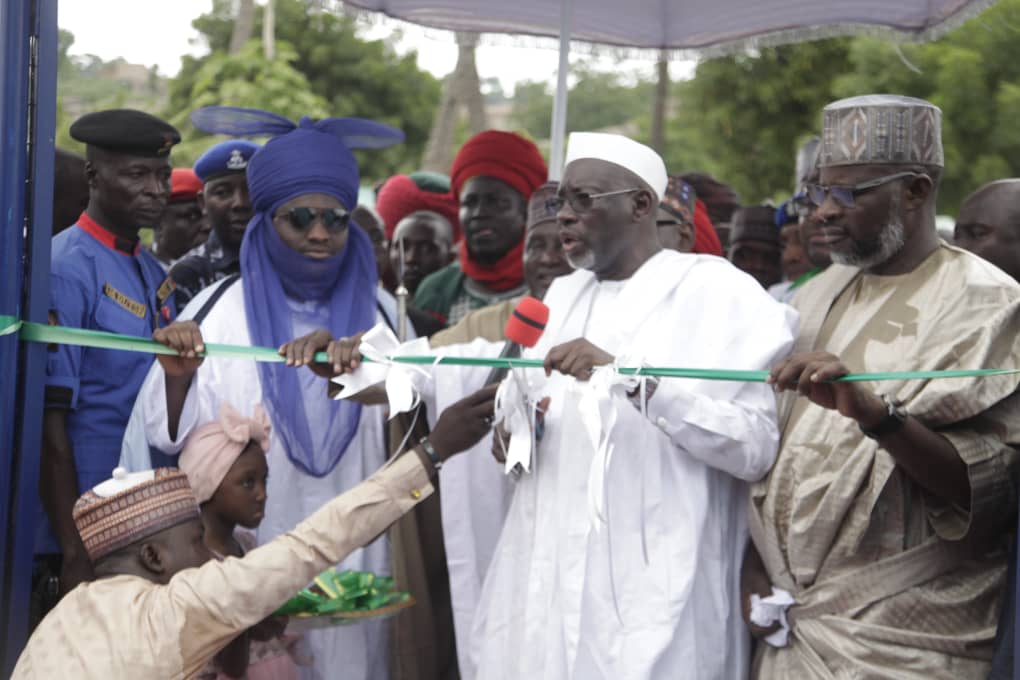
Jigawa state governor, Malam Umar Namadi, while commissioning the giant water project on Wednesday, said the project can ceaselessly provide water to the town for at least twenty-five years.
Alhaji Namadi confessed that the BBC’s report and A FADA A CIKA Program on the shortage of water drag their attention to the problem and promise to provide portable drinking water to the people on the top of the hill.
“I have promised to provide water to the Gwari town; after the report was shown to me how the people get water using donkey to the top, at the A FADA A CIKA Program,” The governor Namadi said, while delivering his speech at the occasion. Adding that “I have fulfilled the promise.”
“BBC as you informed the world how people of Gwari faced hardships on fetching water, and how the scarcity hit them hard, now you have to also inform the world that we have fulfilled our promise and provide portable drinking water to the Gwari town on the hills.”
BBC’s team had visited the town on top of the hill and produced a compelling package, showcasing how the residents come down from the top of the hill fetch water and had to use donkeys to take it up to the hill top.
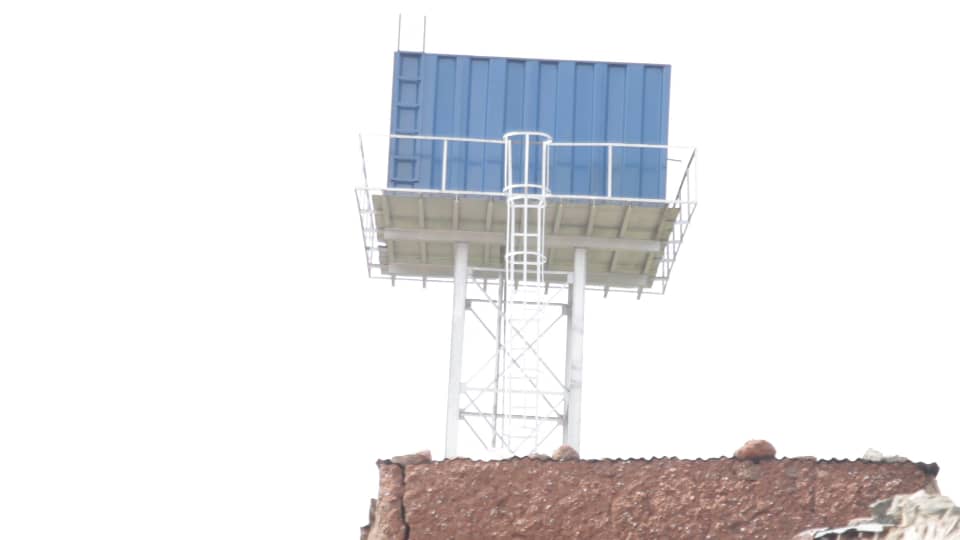
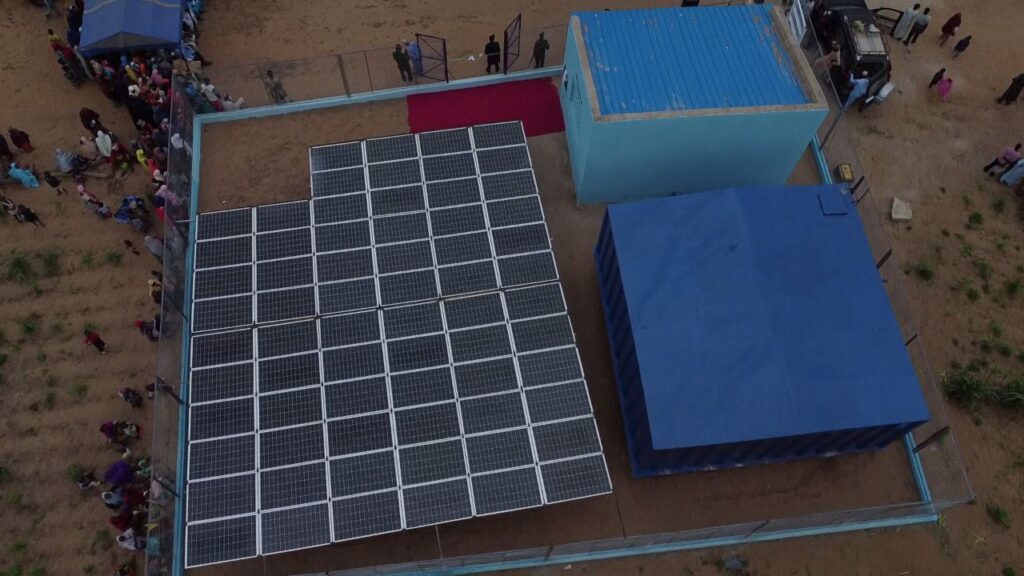
The Jigawa state government constructed the water plant using solar-powered motorized boreholes to pump the water to the hill top and had two tanks: ground tank and overhead tank. It has also provided the water connecting pipes to their doorsteps using extensive pipeline network stretching over two kilometers around the town.
According to the officials, the water plant was designed to provide 100 liters to each person in the town, exceeding the World Health Organization (WHO) recommendation of 60 liters per person daily usage.


