


Climate Action Begins On Our Plates: How Everyday Food Choices Can Help Save The Planet
Climate change is often discussed in terms of industries, transport, energy and deforestation, but one of the most powerful climate solutions may be much closer to home-on our plates.
The global food system is responsible for about one-third of greenhouse gas emissions, making it a bigger contributor to climate change than the global aviation sector. Feeding a growing population of nearly eight billion people places enormous pressure on forests, oceans, land, water and energy resources, while food production and waste continue to generate emissions.
From the farm to the kitchen and eventually the rubbish bin, almost every stage of the food journey has an environmental cost. Deforestation for agriculture and livestock, overfishing, intensive farming, transportation, fertilizer use, refrigeration and food waste all contribute to the changing climate.
Yet this challenge also presents an opportunity. Unlike some climate problems that require massive infrastructure or technological changes, individuals can contribute to solutions through everyday decisions about what they eat, how much they buy and what they do with food they do not consume.
Put More Plants on the Plate
One of the most effective changes individuals can make is to eat more plant-based foods.
The growing global demand for meat and dairy requires large amounts of land for livestock and animal feed. Forests and other natural ecosystems may be cleared to create agricultural land, contributing to biodiversity loss and increasing pressure on water and energy resources.
Livestock also contributes directly to greenhouse gas emissions. Ruminant animals such as cattle and sheep produce methane during digestion, and methane is a particularly powerful greenhouse gas.
The environmental pressure extends to the oceans. Overfishing, pollution and industrial activities threaten marine ecosystems and the resources that millions of people depend upon for food and livelihoods.
This does not necessarily mean everyone must abandon meat overnight. A gradual transition can make the change easier. Individuals can begin by introducing more vegetables, fruits, grains, legumes and other plant-based foods into their meals, perhaps choosing one plant-based meal or day each week.
Making the transition a family or community activity can also make it more enjoyable. With the growing availability of plant-based recipes and alternatives, eating more plants is increasingly accessible—and can bring additional benefits for health and household finances.
Waste Less, Save More
Another important climate action begins with something as simple as finishing what is on our plates.
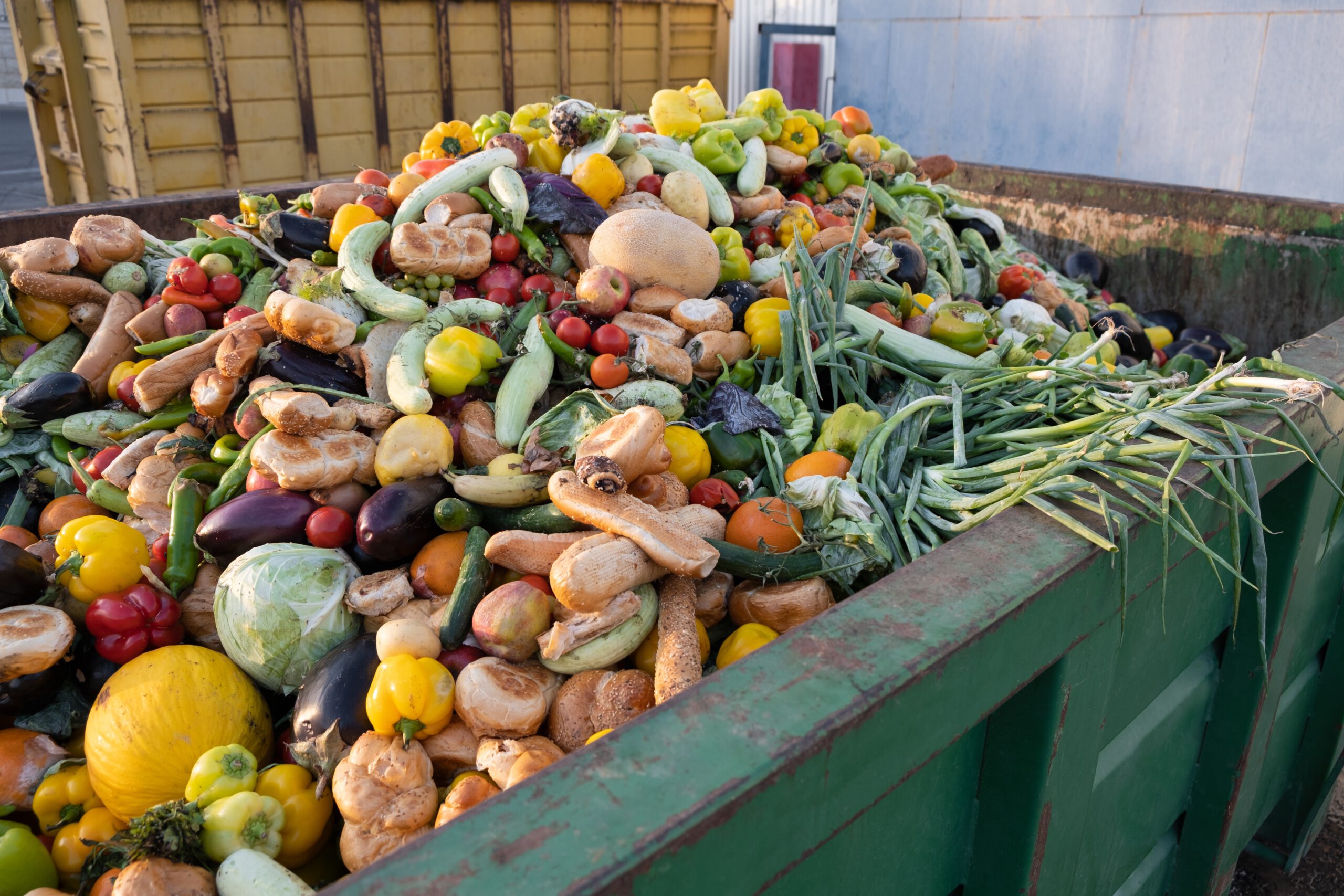
Food waste represents wasted land, water, energy, labour and transportation. When food that could have been eaten is thrown away, all the resources used to produce and transport it are effectively wasted as well.
The problem begins even before food reaches the kitchen. Buying more groceries than necessary, preparing excessive portions and allowing food to spoil all contribute to the problem.
Reducing food waste therefore requires better planning. Households can prepare shopping lists, buy only what they need, store food properly and make creative use of leftovers.
Eating appropriate portions also matters. By consuming what we need and avoiding unnecessary waste, individuals can reduce their environmental footprint while saving money and making better use of precious natural resources.
Choose Local and Seasonal Food
Where our food comes from also matters.
Food can travel considerable distances before reaching consumers. The farther food travels from farms to markets, shops and homes, the greater the potential emissions associated with transportation.
Choosing locally produced food can therefore help reduce food miles while supporting farmers and local economies. Eating seasonal produce can have similar benefits because foods that are out of season may need to be transported from distant locations or produced under energy-intensive conditions.
The way food is produced is equally important. Organic and regenerative agricultural practices can reduce reliance on synthetic fertilizers and promote healthier soils. Fertilizer use can contribute to nitrous oxide emissions, another highly potent greenhouse gas.
Supporting farming systems that protect soil, conserve resources and promote biodiversity can therefore be an important part of building a more sustainable food system.
Turn Food Waste Into Fertile Soil
For food scraps that cannot be eaten, composting offers another practical climate solution.
When organic waste is sent to landfills, it decomposes without sufficient oxygen and can generate methane. Transporting waste to distant disposal sites also creates additional emissions.
Composting provides a different pathway. Through controlled decomposition in the presence of oxygen, food scraps and other organic materials can be transformed into nutrient-rich compost.
That compost can then return to farms, gardens and planting beds, helping replenish soil nutrients and reducing the need for some external inputs. What would otherwise have been waste becomes a resource.
For households, communities, schools and institutions, composting can therefore be a simple entry point into climate action.
Small Choices, Collective Impact
Addressing climate change requires action from governments, businesses and industries, but individual choices also matter—particularly when millions of people make those choices together.
Eating more plant-based foods, wasting less food, buying locally produced and seasonal products, supporting sustainable farming and composting organic waste may appear to be small actions. Collectively, however, they can help reduce pressure on forests, oceans, soil, water and the atmosphere.
The food system is both part of the climate challenge and part of the solution. Changing what happens on our plates can influence what happens on farms, in forests, in oceans and across the wider environment.
Climate action does not always require dramatic gestures. Sometimes, it begins with a thoughtful shopping list, a plate of vegetables, a properly stored leftover meal or a bucket of compost.


