


By Uzair Adam
The Climate and Sustainable Development Network (CSDevNet) Nigeria has launched the ‘Green Growth’ initiative aimed at mitigating the severe impacts of climate change in Kogi State.
This initiative, in partnership with the Green-for-Life Initiative, was inaugurated at a one-day workshop at Federal University Lokoja.
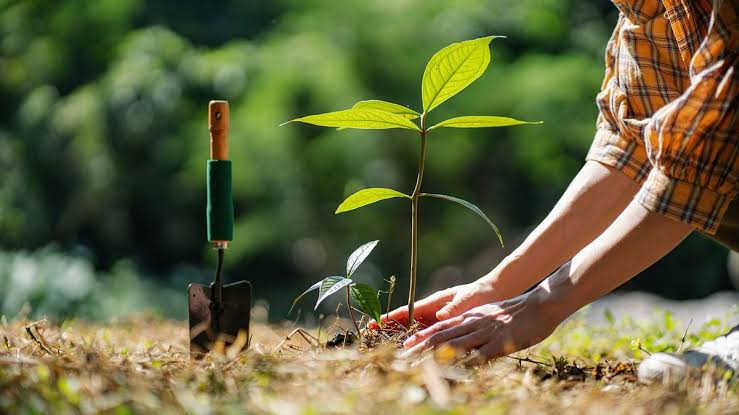
The event, themed “Building the Capacity of Women and Youth on Environmental Right Accountability and Policy Development in Kogi State,” focuses on promoting tree planting.
Olayemi Akonwi, Vice Chancellor of FUL, who inaugurated the initiative, praised CSDevNet, the Green-for-Life Initiative, and other sponsors for choosing the university for this event.
Akonwi emphasized the importance of adopting tree planting and nurturing practices.
He noted the multifaceted benefits of such initiatives, including enhancing the beauty of surroundings, controlling erosion, maintaining a healthy environment, and providing shade.
“Today’s capacity-building workshop aims to empower women and youths with knowledge that can lead to economic empowerment,” said Akonwi.
“When economic development secures our livelihoods, it allows us to focus on culture, recreation, and research.”
He encouraged participants to donate and nurture plants, thereby supporting the initiative and promoting a sustainable environment.
He also reassured donors and partners that the university community would diligently maintain the Green Growth Initiatives.
Stephen Abu, National Network Coordinator of CSDevNet, highlighted the necessity of this initiative in Kogi State, which is prone to severe annual flooding and environmental degradation due to illegal mining activities.
The workshop aims to bolster community resilience through capacity building, early warning systems, and environmental conservation.
Duda Tanko, Founder of the Green-for-Life Initiative, expressed concern over the high rate of desertification in Nigeria.
He emphasized the critical need for support of the Green Growth initiative to mitigate climate change effects and reduce conflicts between farmers and herders.


