


By Uzair Adam
Amid the ongoing economic hardship caused by fuel price hikes and rising food inflation, Nigerians across the country are resorting to desperate measures to survive.
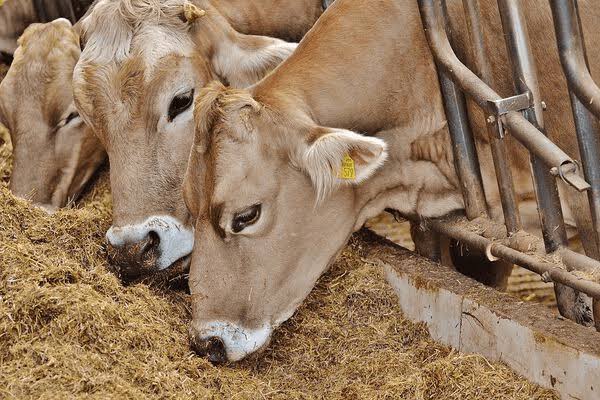
In an exclusive story, Vanguard reports that some families, struggling to afford basic necessities, have started consuming animal feed.
In Plateau State, it was reported that several women in Jos have turned to feeding their children with “dusa,” a maize chaff usually meant for animals.
One resident, Mrs. Gladys Tonggang, expressed heartbreak after learning of a pregnant mother feeding her children with the ground maize chaff to make food.
A local seller of “dusa” confirmed that the price of the feed has increased due to heightened demand from struggling families.
The impact of the economic downturn has been felt across various sectors.
A mechanic in Lagos, Monday Adetola, shared how his client base has dwindled, as car owners are abandoning their vehicles to save on fuel costs.
Tailors like Murtala Musa have closed their shops, seeking alternative sources of income such as selling food items.
In Ekiti State, civil servant Deji Ilori explained that his family now skips meals and relies on less nutritious food as fuel prices soar.
His situation echoes the plight of many across the country, where public transportation has become a necessary substitute for driving, and even then, fares are unaffordable for many.
Meanwhile, in Osun State, women have taken to begging on the streets to feed their families, a stark contrast to their previously stable lives.
Some, like Taiwo, a mother of two, have had to rely on their neighbors for food as their husbands struggle to make ends meet.
Other states, including Akwa Ibom, Cross River, Ogun, and Oyo, tell similar stories of survival.
From switching to public transportation, engaging in backyard farming, selling personal belongings, or even considering moving back to villages, Nigerians are devising various strategies to navigate these harsh economic times.
For many, such as Genesis, a Cross River resident who turned his home into a mini-farm, growing food on any available plot of land has become a necessity.
Others, like Margaret Ogen, a school teacher, now breed chickens at home to supplement their family’s diet and income.
In states like Benue and Kaduna, the crisis has led to severe lifestyle changes. Residents no longer make casual visits or host guests due to high transportation costs.
Widows like Jummai Ali in Kaduna have found themselves relying on the goodwill of neighbors to feed their families. Some, like civil servant Muazu Zaria, lament that once cost of living skyrockets, many families struggle to provide even one meal a day.
The overall sentiment among Nigerians is one of exhaustion and uncertainty. Calls for government intervention have grown louder as citizens beg for solutions to the mounting crises that have worsened their living conditions.


