


EFCC Probes VCs Over Inflated Contracts, Students’ Fees Diversion
…..Raises Alarm Over Campus Fraud, Says 60% Of Varsity Students Linked To Cybercrime
The Economic and Financial Crimes Commission has raised fresh concerns over widespread financial impropriety in Nigerian universities, revealing that several top management officials across tertiary institutions are currently under criminal investigation.
The commission warned that governance lapses and weak oversight structures are enabling corruption to thrive within the system.
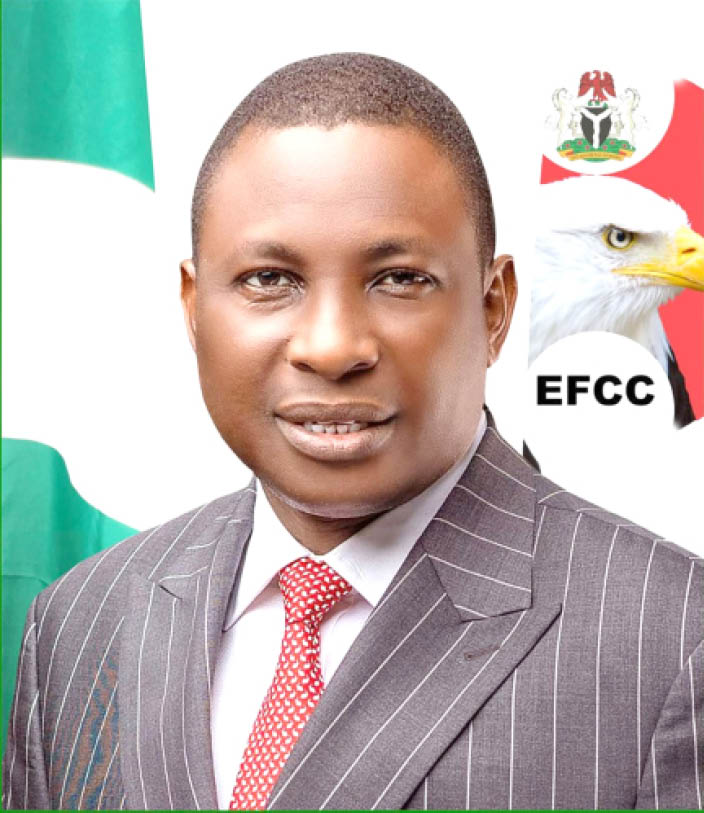
Speaking in Kano, the EFCC Chairman, Olanipekun Olukoyede, disclosed that the agency is probing vice chancellors in both public and private universities over allegations ranging from contract inflation to diversion of students’ registration fees.
He noted that institutions entrusted with managing multi-billion-naira revenues must be held to the highest standards of accountability.
Olukoyede made the disclosure at the 8th Biennial Conference of the Committee of Pro-Chancellors of State-owned Universities, where he stressed that corruption within universities represents not just financial loss but a deep betrayal of public trust.
According to him, parents, students, taxpayers and government stakeholders rely on the integrity of the system, which must not be compromised.
Providing further insight, the EFCC boss revealed that investigations have uncovered cases involving ghost workers, inflated contracts and misappropriated funds across several institutions.
He added that the commission recently moved to file charges against a former vice chancellor over alleged financial misconduct, underscoring the seriousness of ongoing enforcement actions.
Beyond financial crimes, Olukoyede described the rising involvement of students in cybercrime as alarming, stating that research conducted over the past year suggests that about six out of every 10 university students are engaged in internet fraud and related offences.
He called the trend a “sad development” that threatens both the education sector and the country’s moral fabric.
He further disclosed that many suspects arrested in recent cybercrime operations were undergraduates, with some allegedly going as far as placing lecturers on their payroll to compromise academic processes. The development, he said, reflects deeper systemic weaknesses that require urgent institutional reforms.
Citing a major operation in Lagos, the EFCC chairman said 792 suspects linked to a transnational cybercrime syndicate were apprehended, with a significant number identified as students.
He added that the operation, driven by advanced Artificial Intelligence tools, exposed the growing scale and sophistication of cybercrime networks operating within and beyond Nigeria.


