


By Anwar Usman
The Federal Government of Nigeria, in partnership with 19 northern states and the Federal Capital Territory, is set to endorse and validate the first phase of the Strategic Catchment Management Plans (SCMPs) under the Agro-climatic Resilience in Semi-Arid Landscape project (ACReSAL).
The endorsement is expected to be perfected on Wednesday, at a stakeholders’ session in Abuja, following extensive engagements across participating regions.
Funded through a $700m loan facility from the World Bank, the six-year ACReSAL initiative aims to address climate resilience in northern Nigeria.
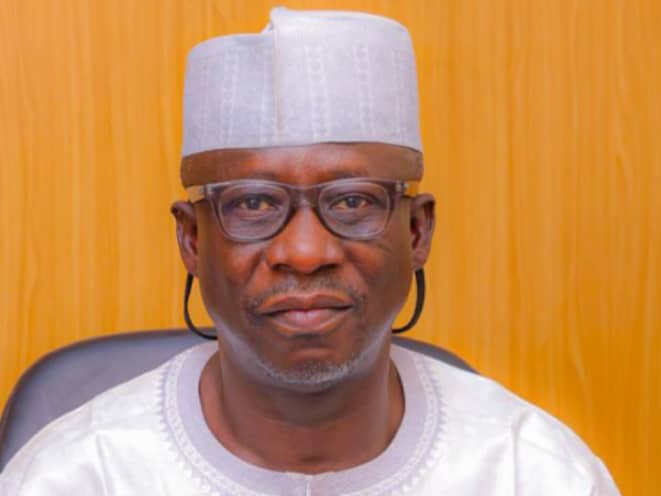
The ACReSAL National Project Coordinator, Abdulhamid Umar while speaking on the scope of the project on Monday, explained that, “This plan that we call the Strategic Catchment Management Plan, sponsored by the federal government under the World Bank facility of $700m, ensures investments are tailored to the specific needs and natural resources of each catchment area.
“This strategic approach avoids scattered, uncoordinated development efforts”. He said
The project’s validation session focused on the Hadeja Jama’are catchment area, which spans Jigawa and Bauchi states.
The project coordinator also emphasised the importance of catchment-based planning, highlighting that “Water does not recognise political boundaries. For us to avoid political crises between states, the catchment plans are designed scientifically to follow natural hydrological flows, ensuring cohesion and environmental sustainability.”
On the other hand, the Permanent Secretary of the Federal Ministry of Environment, Mahmud Kambari commended the effort, saying, “This is the first time Nigeria is developing catchment management plans covering such a large landmass.
“The structure and framework validated today will set the tone for similar plans across the remaining regions.”
Kambari added that, the initiative has demonstrated the capability of Nigerian firms, including consultants like Mecon Geology and Engineering Ltd, to deliver on globally recognized standards.
The SCMP’s pilot phase involves four states—Yobe, Bauchi, Jigawa, and Kano—where stakeholders met on Monday to authenticate data collected during consultations.
The six-year project, which began in 2022, is expected to be concluded by 2028.
Stakeholders remain optimistic that its outcomes will foster resilience, mitigate climate impacts, and drive socio-economic growth in northern Nigeria and beyond.


