


By Abdulkarim Ibrahim
Nigeria has been revealed to be among one of the top beneficiaries of USAID funds in Africa for 2023, receiving $824 million (approximately N1.23 trillion at exchange rate of N1498/$) in aid.
Specifically, the country ranked among the top five recipients, surpassing other major African economies like South Africa and Egypt.
This is according to a data curated by Statista and obtained from ForeignAssistance.gov – the U.S. government’s flagship website for making U.S. foreign assistance.
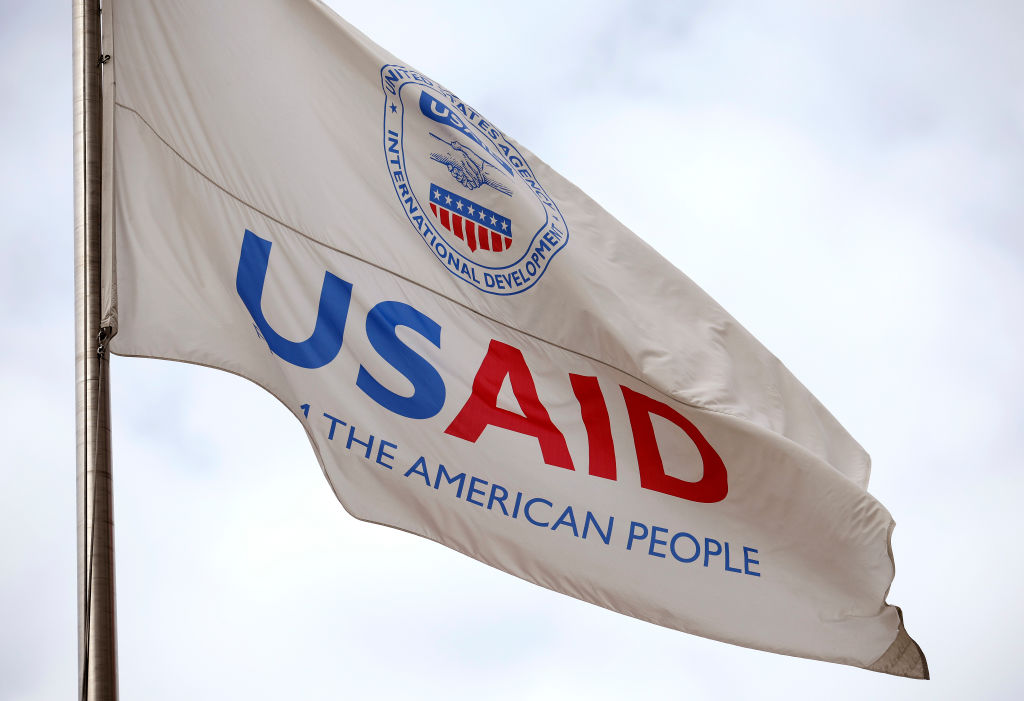
Recall that US President, Donald Trump stops the activities of the United States Agency for International Development (USAID), in his latest string of cuts to government-funded programs, many have argued the choice to shut it down could have a profound impact on humanitarian activities around the world.
Over the last two weeks, the new U.S. administration has frozen billions of dollars to the agency charged with delivering humanitarian assistance overseas.
Created over 60 years ago, USAID was a way to provide financial assistance to other countries to increase U.S. influence in those places and to counter similar foreign aid programs by other major powers.
Since returning to the White House last month, Trump and his allies have prioritised slashing government funding with USAID being its latest focus.
According to the Statista, Ukraine is the country that received the most aid from USAID possibly due to the ongoing war between the Eastern Europe country and Russia, having $16,021 million disbursement in 2023.
Ethiopia, Jordan, Afghanistan and Somalia make up the top five and they received $1.67 million, $1.19 million, $1.08 million and $1.04 million respectively in the period under review.
Meanwhile, countries like DR Congo, Syria, Nigeria, Yemen and South Sudan make up the remaining top 10 beneficiaries of the US aids with each receiving $936 million, $895 million, $824 million, $812 million and $740 million accordingly.
The top 10 reciepients of the USAID funds in Africa in 2023 are;
1. Ethiopia – $1.676 billion
2. Somalia – $1.046 billion
3. DR Congo – $936 million
4. Nigeria – $824 million
5. South Sudan – $740 million
6. Kenya – $680 million
7. Uganda – $525 million
8. Mozambique – $473 million
9. Sudan – $464 million
10. Tanzania – $455 million
The USAID funds key sectors in Nigeria, primarily health, along with education and humanitarian aid.
However, concerns over a possible funding cut have raised fears of job losses and disruptions to essential health programs.
A senior official from a USAID partner organization warned that over 1,000 jobs could be lost if funding stops, affecting projects like the Global Health Supply Chain. Health workers, including those in Bayelsa State, are already facing work suspensions due to uncertainty.
USAID’s $140 million HIV/AIDS program for 2024 is at risk, along with interventions for Tuberculosis, Malaria, and maternal health.
Clinics report low stock of essential drugs, and rural communities may lose access to medical outreach programs.
Experts also fear that without continued support, the country’s public health system could face severe challenges.
Nigeria announces measures to soften impact of USAID programs’ suspension
Nigerian officials have launched a committee to develop a transition and sustainability plan for USAID-funded health programs following U.S. President Donald Trump’s 90-day halt of most foreign aid. The multi-ministerial committee aims to secure new financial support for critical health programs.
On Monday, the Nigerian Federal Executive Council approved $1 billion for healthcare sector reforms and allocated an additional $3.2 million to procure 150,000 HIV treatment packs over the next four months.
Authorities said the new funding will support improvements in primary healthcare services, maternal and child healthcare, and training of healthcare professionals.
Nigeria’s health minister said the committee—comprising officials from the ministries of finance, health, and environment—intends to ensure that patients receiving treatment for HIV, tuberculosis, and malaria do not experience setbacks amid the uncertainty over U.S. foreign policy.


