


By Abdulkarim Ibrahim
A Nigerian scientist is reimagining one of the country’s most beloved local drinks, turning it into a possible global solution for nutrition and sustainability.
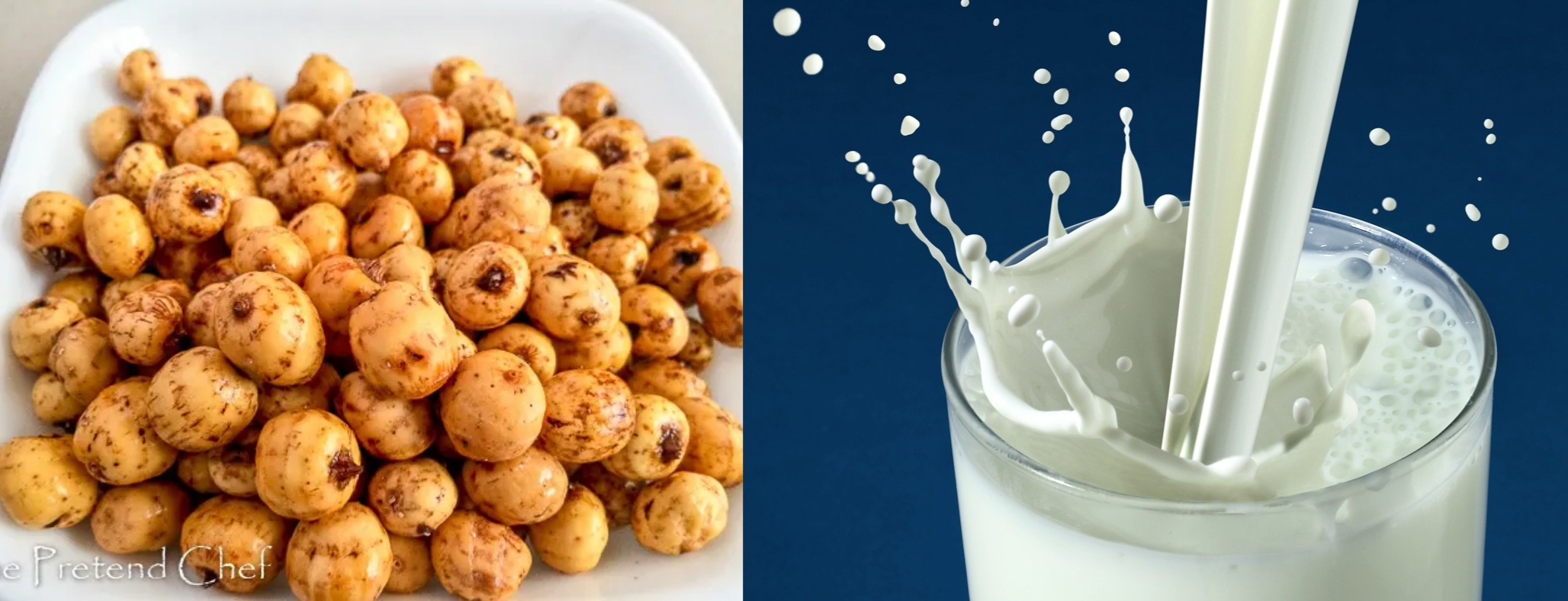
Dr. Chinasa Okorie-Humphrey, a food chemist at Abia State Polytechnic, is working on transforming tigernut milk from a street-side refreshment into a scientifically fortified product with international potential.


For decades, tigernut milk has been a common sight in Nigerian markets and busy streets, served in recycled bottles and cherished for its nutty sweetness. But its greatest weakness has kept it from wider adoption: the drink spoils within a day, limiting its reach to small-scale hawkers and local consumers.
That fragile shelf life has long confined tigernut milk to an informal economy, shutting the door to larger food industries and commercial packaging.
Despite its popularity, the drink has struggled to find a seat at the global table of plant-based beverages.
Dr. Okorie-Humphrey is determined to change that narrative. With expertise in biotechnology and food chemistry, she has been experimenting with stabilisation techniques designed to extend the drink’s freshness without stripping it of its natural qualities.
See Also: FCDO, UNICEF Hail Jigawa As Model In Nutrition And Climate Resilience
Her innovation could position tigernut milk as an affordable, plant-based dairy alternative with both local and global appeal.
The implications extend far beyond consumer choice. Globally, malnutrition continues to take a heavy toll, with more than 149 million children under five stunted and nearly 45 million suffering from wasting, according to the World Health Organization. A safe, nutritious, and accessible plant-based milk from tigernuts could play a role in addressing such pressing health challenges.
Beyond health, the innovation aligns with shifting global food trends. Plant-based milks, once considered niche products, are now booming worldwide as sustainable alternatives to dairy.
The World Economic Forum projects the industry could be worth over 47 billion dollars by the end of the decade — and with research like Dr. Okorie-Humphrey’s, Nigeria may soon have its own homegrown entry in this rapidly growing market
“Nigeria cannot afford to be a bystander in this movement,” she explained in an interview with Guardian Nigeria. “We have the raw material in abundance. What we need is the science to make it last.”
See Also: EU Commits N900m To Combat Malnutrition In Northern Nigeria
Her work is not only scientific but deeply personal. The daughter of educators, she grew up seeing the daily struggles of rural communities where nutritious food was scarce and expensive. Tigernut, hardy and drought-resistant, was one of the few crops that could thrive where other staples failed. Turning it into a reliable milk substitute, she argues, is as much about dignity and food sovereignty as it is about science.
The researcher’s philosophy is shaped by what she calls “green chemistry” — ensuring that innovations do not harm the environment. In her words, the challenge is not just extending shelf life but doing so in ways that minimise waste, conserve energy and protect consumers. It is a delicate balance, but one she believes is vital for sustainable food systems in Africa and beyond.
Already, her findings have earned attention at international gatherings, where she has won awards and fellowship placements. At each outing, she frames her research not simply as a laboratory project but as a bridge between smallholder farmers and the global market. “If tigernut milk is properly stabilised and packaged,” she noted, “it can provide income for farmers, affordable nutrition for households, and a sustainable alternative for the planet.”
See Also: FG Intensifies Malnutrition Battle As Shettima Launches Nutrition 774 Board
Colleagues describe her as a tireless advocate for African-led solutions to global challenges, with a gift for blending rigorous science with community-minded storytelling. In an era where food systems face mounting pressure from population growth and climate change, her work underscores the potential of local crops to make a global impact.
For now, the cartons of shelf-stable tigernut milk she envisions remain a work in progress. Yet in Aba, a city better known for industry than innovation, Dr Chinasa Okorie-Humphrey is quietly proving that the next big idea in sustainable nutrition might just come from Nigeria’s own backyard.


