


Red Cross Mobilises Communities Against Climate Volatility, Food Insecurity in Borno
By Ali Mohammed Zanna, Maiduguri
The Nigerian Red Cross Society (NRCS), Borno State Branch, has intensified efforts to strengthen community resilience against climate volatility and food insecurity through a stakeholders’ town hall meeting and media engagement held under the Community Resilience through Early Action Messaging (CREAM) Project.
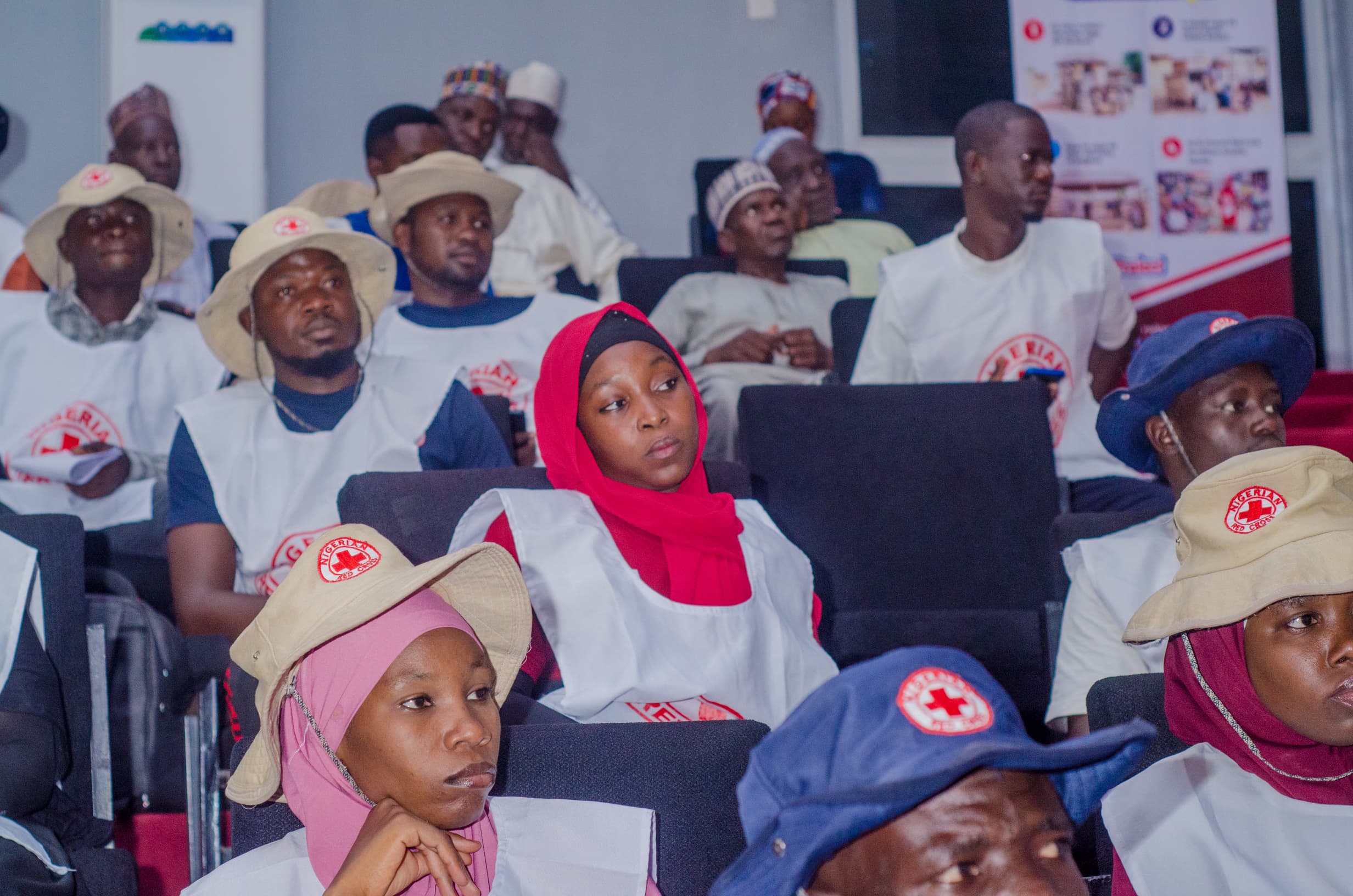
The event, which took place at the Musa Usman Secretariat in Maiduguri, brought together government officials, humanitarian partners, community leaders, media practitioners, security agencies, Red Cross volunteers, and representatives of various ministries and agencies to discuss actionable early warning messages aimed at mitigating the effects of climate-related shocks and food insecurity.
Speaking during the engagement, the Branch Secretary of the Nigerian Red Cross Society, Borno State Branch, Mohammed Zanna Barma, said the meeting was organised in response to forecasts indicating a heightened risk of food insecurity in Borno State between June and August.
According to him, the Red Cross has already reached more than 250,000 households across Maiduguri Metropolitan Council (MMC) and Jere Local Government Area through early warning messages and awareness campaigns conducted by volunteers.
“We are engaging communities ahead of any emergency because preparedness is key. Many people only react when disasters strike. Through this project, we are encouraging households to preserve food commodities, diversify their sources of income, and prepare for possible challenges associated with food insecurity,” Barma said.
He explained that food insecurity poses significant threats to human well-being and livelihoods, making it necessary for communities to adopt preventive measures before the situation deteriorates.
Barma noted that the initiative is informed by climate and weather forecasts released by the Nigerian Meteorological Agency (NiMet), which have highlighted potential risks associated with rainfall patterns and their implications for food production and availability.
While the Nigerian Red Cross is leading awareness creation and community sensitisation activities, he said other partner organisations are responsible for providing livelihood support, cash assistance, and other interventions aimed at strengthening household resilience.
Also speaking, the Disaster Risk Reduction Officer of the Nigerian Red Cross Society at the National Headquarters, Abuja, Ibrahim Amuda, described the CREAM Project as an anticipatory action initiative designed to transform communities from being reactive to proactive in the face of disasters.
“Prevention is always better than cure. The project focuses on ensuring that vulnerable communities are adequately informed and prepared before disasters occur. We do not want people to lose their lives, farms, or livelihoods because of predictable climate-related shocks,” he said.
Amda disclosed that the eight-month project, which runs from February to October 2026, targets more than 250,000 people in MMC and Jere Local Government Areas.
He said the project is being implemented through radio programmes, community dialogues, talk shows, house-to-house sensitisation campaigns, and the distribution of Information, Education and Communication (IEC) materials.
“Sixty trained Red Cross volunteers are currently conducting door-to-door awareness campaigns. The project also incorporates accountability mechanisms that allow community members to provide feedback, ask questions, and make complaints,” he added.
On the issue of inclusion, Amda stressed that persons with disabilities, women, children, and other vulnerable groups remain key beneficiaries of the project.
“Disaster preparedness must be inclusive. People living with disabilities often face additional challenges during emergencies. Our sensitisation activities ensure they receive the information and support needed to protect themselves during floods or other climate-related disasters,” he said.
Participants at the town hall meeting emphasised the need for stronger collaboration among government institutions, humanitarian agencies, traditional leaders, and community groups to address the growing threats posed by climate change and food insecurity.
The engagement featured presentations from Red Cross officials and partner organisations, as well as interactive discussions focused on strengthening early warning systems, promoting community preparedness, and enhancing resilience among vulnerable populations.
Stakeholders described the meeting as timely, noting that proactive communication, community participation, and coordinated action remain critical to reducing the humanitarian impact of climate-induced crises in Borno State.
The CREAM Project is part of broader efforts by the Nigerian Red Cross Society and its partners to build safer, stronger, and more resilient communities capable of anticipating, preparing for, and responding effectively to emerging climate and food security challenges.


