


The Senate has reaffirmed its commitment to strengthening Nigeria’s agricultural sector through policies that promote food security, job creation, and economic diversification.
Speaking at a one-day public hearing on three agricultural bills, namely the Cassava Flour (Mandatory Inclusion in Flour Production) Bill, the National Food Reserves Agency Bill, and the Rice Development Council of Nigeria Bill, the President of the Senate, Godswill Akpabio, GCFR, represented by Senator Tahir Monguno, said the proposed legislations are designed to boost production, enhance value addition, and support sustainable development in the agricultural sector.
“The 10th Senate is deeply committed to ensuring food security and job creation. We invite producers, millers, and bakers to leverage these opportunities to produce more and contribute to the nation’s food sufficiency,” Senator Monguno stated.
The Chairman of the Senate Committee on Agricultural Production Services and Rural Development, Senator Saliu Mustapha, explained that the bills aim to harness the abundance of cassava to create jobs, strengthen smallholder farmers, and stabilize rice prices. He noted that the initiatives would help diversify the economy while building sustainable markets for local produce.
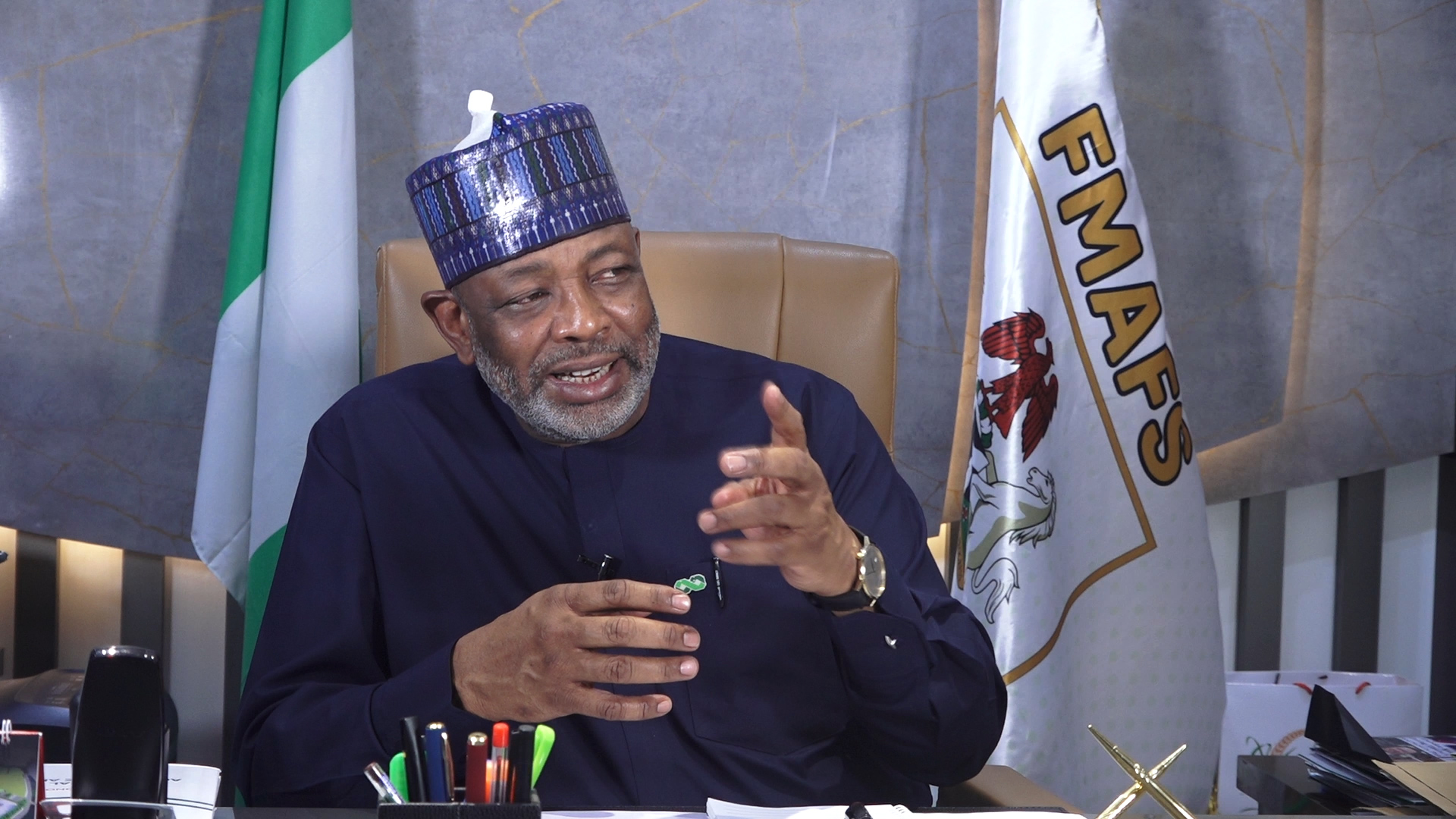
In his presentation, the Minister of Agriculture and Food Security, Senator Abubakar Kyari, CON, said the Cassava Flour Production Bill will significantly enhance Nigeria’s agricultural value chain, describing cassava as one of the country’s most commercially viable crops.
“Cassava has the highest production capacity among our crops. That is why President Bola Ahmed Tinubu, GCFR, envisions Nigeria producing over fifty million tonnes of cassava annually,” the Minister said.
He assured stakeholders that the Ministry remains committed to empowering local farmers, improving productivity, and strengthening institutional frameworks to achieve lasting food security across the country.
The Permanent Secretary of the Ministry, Dr. Marcus O. Ogunbiyi, emphasized the need for policy alignment and institutional efficiency. He advised that the proposed National Food Reserve Agency (NAFRA) should complement existing ministerial functions rather than duplicate them. According to him, strengthening current systems before creating new ones is vital to ensuring sustainable results.
Stakeholders at the hearing expressed broad support for the bills while calling for more inclusiveness in their implementation. Hajiya Maryam Lawan, representing the Women Farmers Association of Nigeria (WOFAN), advocated for greater participation of women in agricultural productivity. Mustapha Othman Bakano, President of the Cassava Growers Association of Nigeria, noted that the legislation would create jobs across the country’s 774 local government areas. He revealed that the association has already secured farmland nationwide to scale cassava cultivation and reduce dependence on imported wheat for flour production.
Similarly, Aliyu Mustapha, President of the Onion Farmers Association of Nigeria, called for the speedy passage of the bills to help farmers improve production and storage systems for perishable crops.
Senator Mustapha assured all participants that the Committee would carefully review their inputs before the next legislative stage. He reiterated the Senate’s determination to ensure that the final versions of the bills reflect the collective aspirations of Nigeria’s agricultural community.
“These bills represent a national effort to strengthen our food systems, empower farmers, and position agriculture as the backbone of our economy,” he said.


