


By Uzair Adam
“With this kind of support from the Federal Government, Jigawa State is on the path to feeding not only Nigeria but all African countries,” said Muhammad Hamza, with his voice brimming with a blend of excitement and hope; one of the beneficiaries of the National Agricultural Growth Scheme and Agro Pocket (NAGS-Ap) Project, that enjoyed fifty percent subsidy for 2023/2024 wheat dry farming.
Blessed with vast farming land, Hamza believes Jigawa State is on track to become a significant food provider, especially if this kind of support continues unabated.
This is largely due to the massive wheat production in the state, thanks to the exceptional wheat dry farming subsidy provided by the Federal Government through the Ministry of Agriculture and Food Security, which is in line with Mr. President Bola Ahmed Tinubu Renewed Hope Agenda.
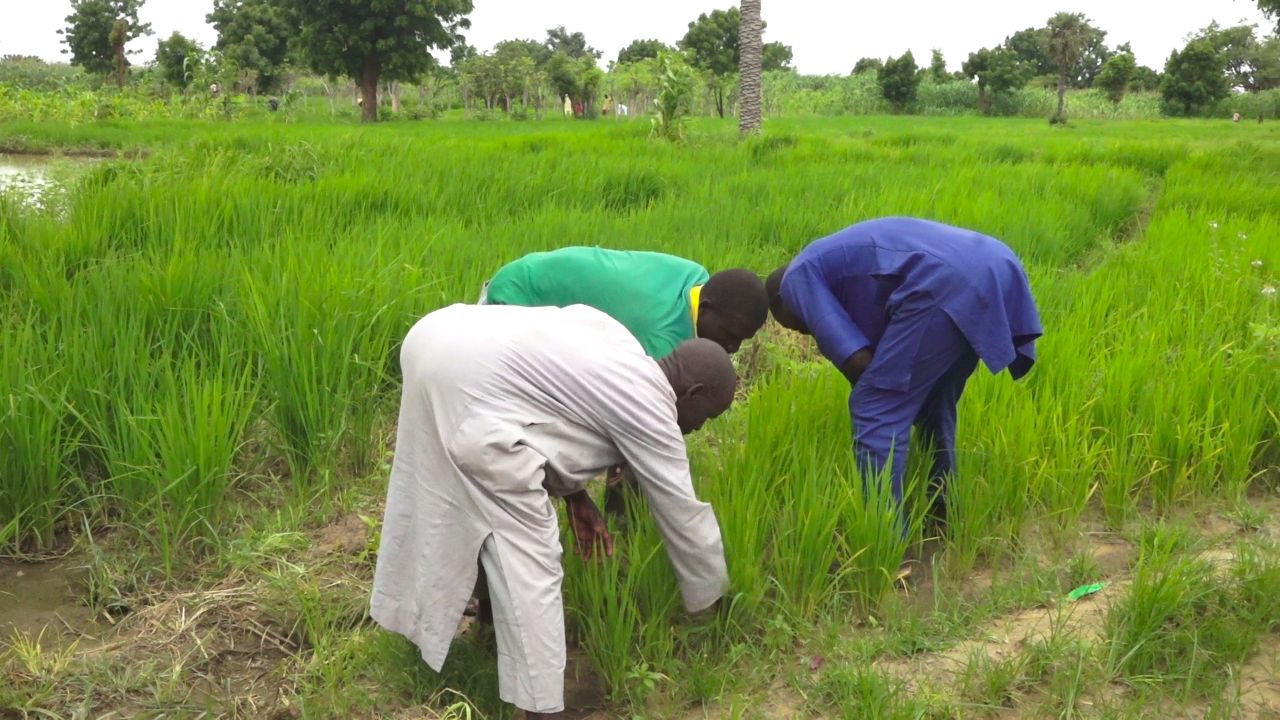
The excitement on Hamza’s face was mirrored in the hearts of every wheat farmer in the Hakudau community of Auyo LGA, Jigawa State, as they celebrated a bumper and massive harvest with joy alongside their families.

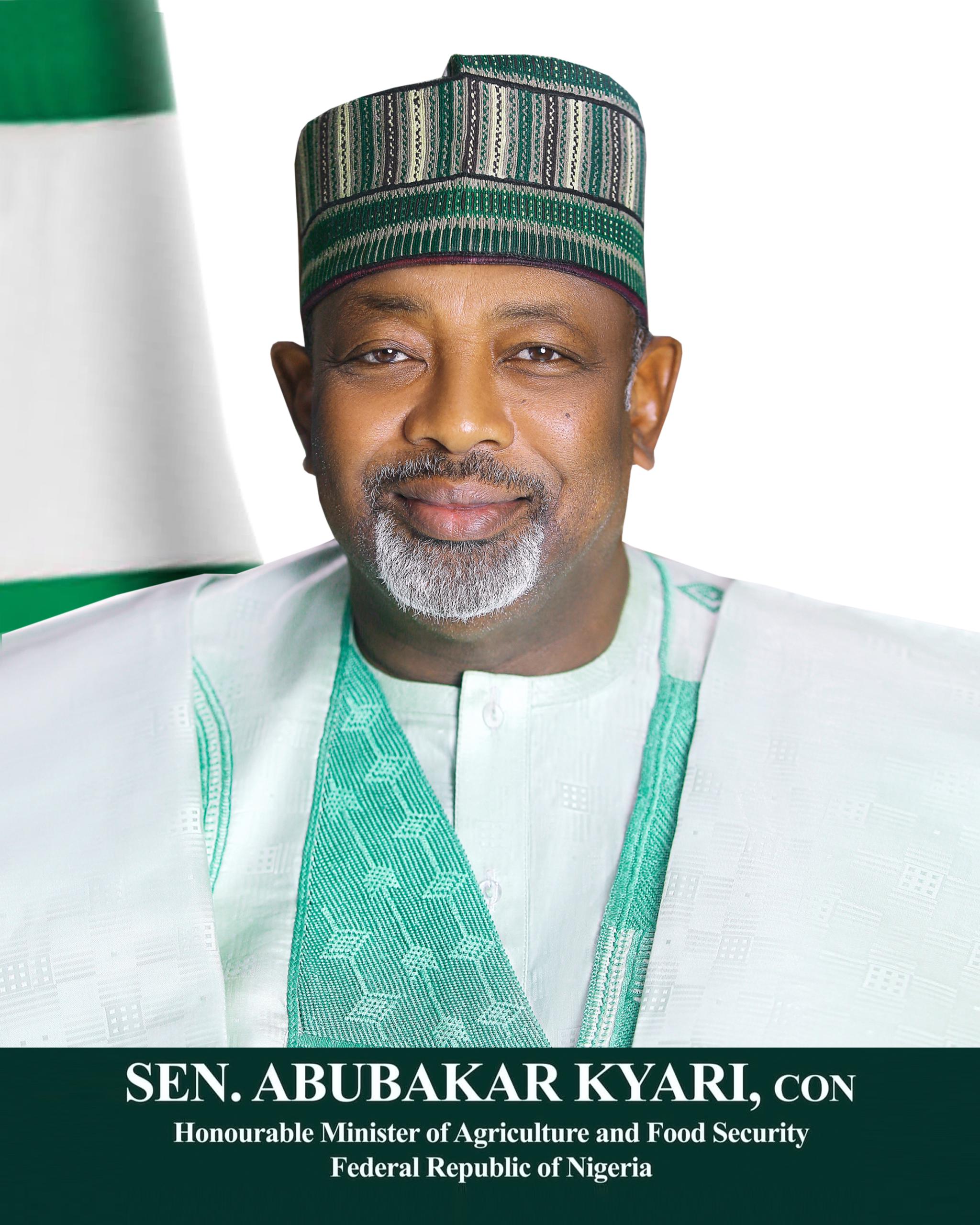
It would be recalled that the Minister of Agriculture and Food Security, Senator Abubakar Kyari, had announced that the Federal Government would provide a fifty percent subsidy to wheat farmers for dry season farming to ensure massive grain production in the country.
He made this announcement in Kano while speaking to journalists shortly after inspecting various wheat productions in 2023, demonstrating his strong commitment to improving agriculture in Nigeria.
Windflow News had visited farming communities in Auyo, north western state of Jigawa to find out the impact of the wheat dry season farming launched and spearheaded by the Federal Ministry of Agriculture and Food Security.
The wheat farming subsidy under the National Agricultural Growth Scheme and Agro Pocket (NAGS-AP) project, with target of an expected yield of 1,250,000 tonnes of wheat production per year has started yielding result; reducing food inflation, increase production, promote self-sufficiency as well as stimulate economic growth.
Renewed Hope Among Farmers
The massive production has rekindled hope in the minds of all farmers in the community, especially those who received the federal government wheat dry farming subsidy.
According to Muhammad Hamza, a beneficiary of the program, the subsidy has not only helped him but also changed his entire life and perspective on farming.
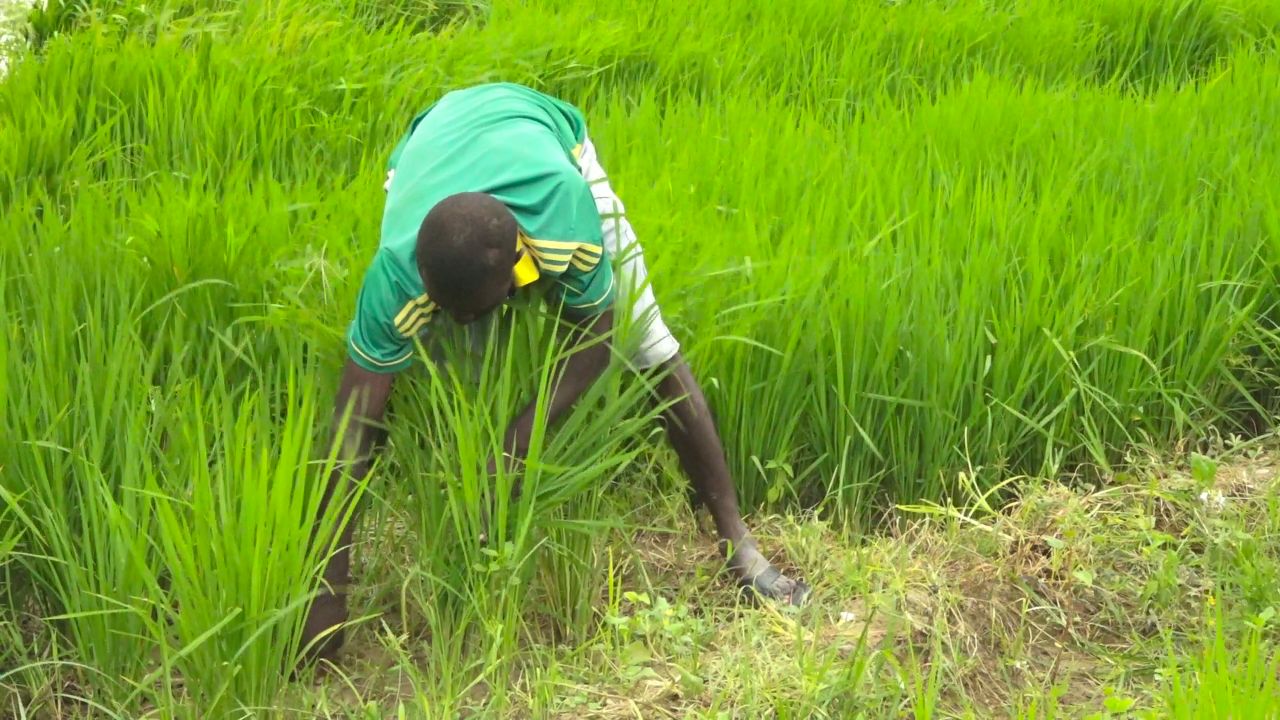
“I have always been a farmer because this is what I inherited from my forefathers. However, I had never seen success like I had gotten in the last harvest,” he stated.
Hamza added that he had a double advantage, making it seem as though he received two subsidies because the farm he used for cultivating wheat is now the same one he uses for millet. His farm has been very productive thanks to the initial subsidy he received and utilized.
He also mentioned that, despite being a farmer, he could count the number of times he ate wheat in a year because he couldn’t afford it. But now, he sells, stores, and eats wheat.
Musa Usman, another beneficiary said he was thrilled because of the surprising, unprecedented wheat yield, which motivated him as a farmer.
He praised the federal government for providing the seeds and other farm inputs at fifty percent discount, encouraging the farmers to cultivate wheat more than ever.
Food Price Decreases After FG’s Subsidy
The farmers noted that with this kind of program from the federal government, they could not only provide food for Africa but also help lower food prices.
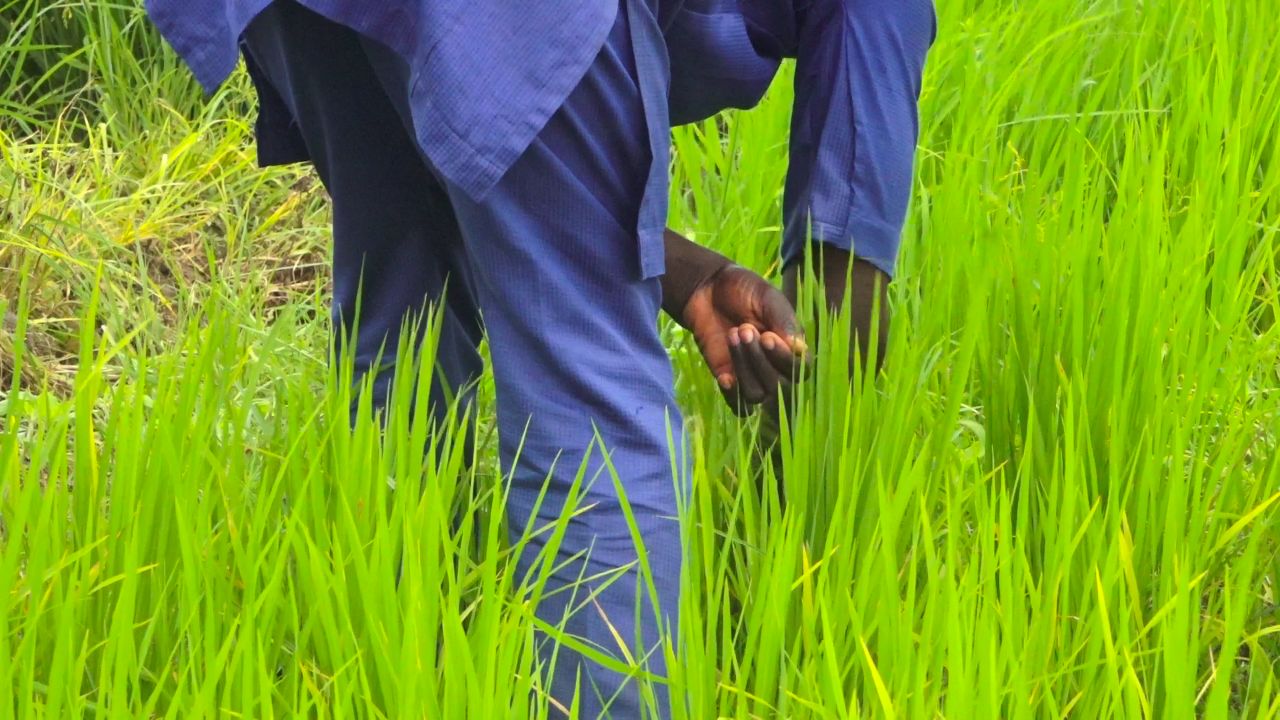
They said a bag of wheat, which was sold between N70,000 to N80,000 at the market, is now being sold for between N45,000 to N50,000.
According to Usman, wheat farming in Jigawa has led to a significant decrease in food prices, making it much more affordable for people.
“At the market, the price of wheat used to vary between N70,000 and N80,000. However, it has now decreased to between N45,000 and N50,000,” he added.
The Subsidy Boasts Capital
Another beneficiary farmer, Abdullahi Adamu, lamented the lack of capital experienced by many young farmers, discouraging them into farming but the bumper harvest due to the Federal Government’s intervention subsidizing the wheat dry season farming; helps boast the resources to cultivate more land. According to Adamu, “the subsidy I received served as capital for me.”
The 30-year-old farmer disclosed how he left Lagos seeking for greener pasture and returned to his hometown to join the farming activities.
He was quoted as saying, “If the Federal Government continues with this kind of program, I don’t think any youth would need to go to Lagos for menial jobs.
Success Attributes to Minister Kyari’s Vision
The success of Jigawa State’s wheat farmers is widely seen as a direct impact of the Abubakar Kyari’s visionary approach to enhancing farming in Nigeria.
The subsidy program, implemented through Kyari’s Ministry of Agriculture and Food Security, has empowered farmers with essential resources, leading to increased production and more affordable food prices.
The impact of this program underscores the effectiveness of targeted government interventions and highlights the potential for continued growth and prosperity within Nigeria’s agricultural sector.
The National Agricultural Growth Scheme and AgroPocket (NAGS-AP) Project, was supported by a $134 million loan facility advanced to Nigeria by the African Development Bank, increasing hope and food security in the Africa’s giant economy.


