

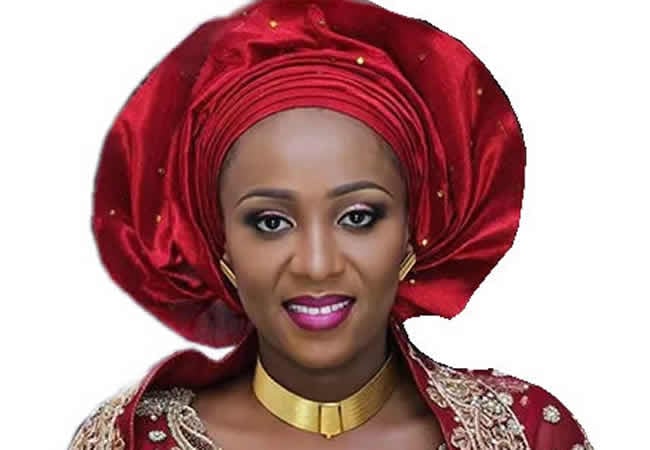
The father of the late Bilyaminu Bello, Alhaji Ahmed Bello Isa, has openly declared his acceptance of the presidential clemency granted to his daughter-in-law, Maryam Sanda, by President Bola Ahmed Tinubu. In a calm yet emotional tone, the elderly father stated that he had long forgiven Maryam for the tragic death of his son, emphasizing that forgiveness brings peace to the soul and closure to the painful chapter that shook both families years ago.
Addressing journalists at a press conference held on Tuesday in Abuja, Alhaji Ahmed Bello described President Tinubu’s gesture as a divine act of mercy and compassion. He noted that the decision to pardon Maryam aligns with the teachings of faith and humanity, which encourage forgiveness, reconciliation, and second chances. According to him, holding onto bitterness would only prolong pain, while letting go allows healing to take root.
The grieving father further expressed hope that Maryam Sanda would use her newfound freedom to rebuild her life and focus on raising her two children with love, guidance, and the moral values that both families hold dear. He prayed that the experience would serve as a lesson in patience, tolerance, and the power of forgiveness — virtues he believes are essential for peace and coexistence in society.
“I am happy that the father of the nation has released Maryam so that she can look after her children.
“We as Muslims accept whatever comes from Almighty Allah. I have forgiven her and bear no grudges against the Federal Government or her family. Vengeance cannot bring back my son, but forgiveness can bring peace,” he said.
Maryam Sanda, the daughter of a former Aso Savings executive, was convicted and sentenced to death by hanging in January 2020 for the murder of her husband, Bilyaminu Bello, a nephew of former Peoples Democratic Party (PDP) National Chairman, Alhaji Bello Haliru Mohammed. The court found her guilty after a lengthy trial that captivated national attention, as the case involved a prominent political family and a shocking act of domestic violence that played out in the nation’s capital.
The killing, which occurred in November 2017 during a heated domestic dispute at their Abuja residence, sent shockwaves across the country. It reignited conversations about gender-based violence, marital conflicts, and the limits of self-control within intimate relationships. Many Nigerians followed the case closely, debating whether the tragic event reflected broader social problems or was an isolated case of marital breakdown gone wrong.
Alhaji Ahmed Bello Isa, father of the slain Bilyaminu, revealed that his personal appeal for mercy on Maryam’s behalf dated back to 2019—months before the court eventually pronounced the death sentence. According to him, his decision to forgive was not influenced by emotion but guided by faith, compassion, and the belief that vengeance cannot bring back his son. He explained that extending forgiveness had brought him inner peace and closure in a case that deeply divided the families.
The elder statesman disclosed that he had written multiple letters to relevant authorities, including the then Attorney-General of the Federation, Abubakar Malami, and the Commissioner of Police in the Federal Capital Territory. In those letters, he appealed for leniency toward his daughter-in-law, citing the welfare of her two young children and his conviction that mercy is a higher form of justice.
He reiterated that forgiveness, to him, was both a spiritual obligation and a personal act of healing.
Earlier on Monday, however, a statement signed by Dr. Bello Mohammed on behalf of some members of the extended family criticized the presidential pardon granted by President Bola Ahmed Tinubu. The group described the clemency as “the worst possible injustice any family could be made to go through,” expressing disappointment that a case involving the loss of a loved one could end in what they saw as a miscarriage of justice.
Reacting to the criticism, Alhaji Ahmed Bello distanced himself from the statement, clarifying that it did not represent his position. He maintained that he stood by his earlier decision to forgive Maryam Sanda and accept the president’s gesture as the will of God.
According to him, true justice is not only about punishment but also about mercy, redemption, and the opportunity for renewal. He urged the public to respect his stance and allow the family to finally find peace.
“That is their personal opinion. I am the father of the deceased, and I have chosen forgiveness. We may not all see things the same way, but I believe this is the right path, for peace, for the children, and for Allah’s mercy,” he said.