

Climate Change: Red Cross Steps Up Awareness Campaign in Borno
By Sabiu Inuwa, Maiduguri
The Nigerian Red Cross Society, Borno State Branch, in collaboration with the NHF and OCHA, has intensified public awareness on the growing impact of climate change, urging residents to take climate-related warnings seriously and adopt measures that can protect their communities.
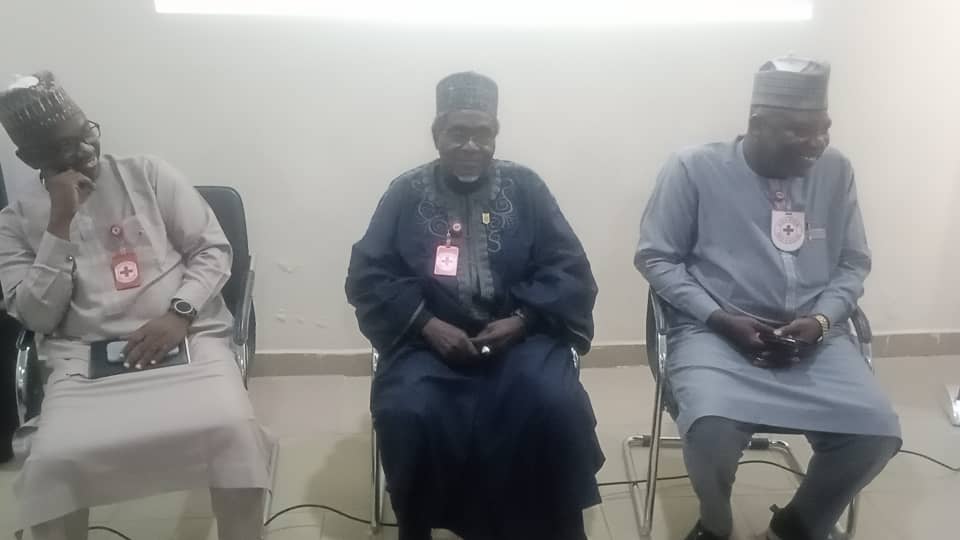
The call was made during a stakeholder workshop on climate change and its associated challenges, which brought together government officials, community leaders, religious scholars, representatives of various organisations and Red Cross volunteers to discuss the effects of changing weather patterns and ways of strengthening community resilience.
Speaking with journalists, Chairman of the Nigerian Red Cross Society, Borno State Branch, Dr. Bulama Mali Gubio, explained that climate change affects several aspects of human life, with its consequences extending to health, livelihoods and the general wellbeing of communities. He noted that human activities are among the factors contributing to the changing climate.
Dr. Gubio further warned that the consequences of climate change could create conditions that contribute to the spread of diseases, with children and other vulnerable members of communities particularly exposed to its effects. He therefore urged the public to pay attention to expert advice and take practical steps towards protecting themselves and their environment.
The Secretary of the Red Cross, Borno State Branch, Muhammad Zannah Barma, disclosed that the organisation had taken its awareness campaign beyond formal workshops to communities, with volunteers visiting homes, places of worship, motor parks and markets to sensitise residents.
According to Barma, the campaign is particularly focused on communities within the Maiduguri Metropolitan Council and Jere Local Government Area, where residents are being engaged directly on climate-related risks, preventive measures and the importance of community participation.
Speakers at the workshop also highlighted interventions undertaken by participating organisations to strengthen the resilience of vulnerable households, including the provision of business capital and equipment to beneficiaries to support livelihoods and improve their capacity to cope with economic and environmental challenges.
The workshop featured interactive discussions, a question-and-answer session and a review of activities undertaken under the initiative. Participants reaffirmed the importance of sustained public education, community involvement and coordinated action among government, humanitarian organisations, traditional and religious leaders and local communities in responding to the challenges posed by climate change.
The organisers said continued awareness and practical community-level interventions remain critical to reducing the risks associated with climate change and building healthier, safer and more resilient communities across Borno State.