Close Menu
  • Home
  • Agriculture
  • Climate Change
  • Environment
  • Features
  • News
  • Research
  • Advert Rates
Facebook X (Twitter) Instagram
WIND FLOWWIND FLOW
SUBSCRIBE
  • Home
  • Agriculture

    From Rice to Wheat: Sierra Leone Breaks New Ground as TAAT and Partners Launch Historic Wheat Demonstration

    October 28, 2026

    Katsina Flags-off planting 11 million trees To fight desertification

    October 25, 2026

    FG Deepens Global Partnerships To Unlock Agricultural Financing And Boost Farmers’ Productivity

    October 21, 2026

    FG Unveils New Livestock Curriculum To Boost Practical Skills, Youth Employment

    October 21, 2026

    Borno, Chad Seek Stronger Partnership To Boost Agriculture, Trade

    October 21, 2026
  • Climate Change

    Climate Change: Red Cross Steps Up Awareness Campaign in Borno

    October 7, 2026

    Ex-Lawmaker Urges Africa to Assert Climate Agency, Shape Its Own Future

    September 9, 2026

    GDP: Agriculture Growth Highlights Farmers’ Resilience, but Reforms Needed – Economist

    September 9, 2026

    NiMet Alerts Five States to Flood Risk, Forecasts Heavy Rains Across Nigeria

    September 9, 2026

    RDI, NIJ Equip Young Journalists with Skills for Climate, Environmental Reporting

    August 24, 2026
  • Environment

    Borno Residents Welcome Sheikh Sheriff Saleh After 15-Year Absence

    November 16, 2026

    NEPWHAN Engages Students In Bi-annual ATM GBV/GHR Outreach In Borno State

    November 14, 2026

    Kebbi Police Rescue Five Kidnapped Victims, Arrest Three Suspects In Dakingari

    November 9, 2026

    Troops Rescue Two Kidnapped Women During Clearance Operations in Zamfara Forests

    November 8, 2026

    Borno Creative Professional Honoured At 2026 Face Of Change Nigeria Awards

    November 4, 2026
  • Features

    From Rice to Wheat: Sierra Leone Breaks New Ground as TAAT and Partners Launch Historic Wheat Demonstration

    October 28, 2026

    Yankari Game Reserve: A Forest Where Wild Animals and Humans Relate

    September 30, 2026

    Two Months Of Action: Kano’s New Front In The War Against Drug Abuse

    September 23, 2026

    WOFAN And Bagauda: A Lesson In Commitment, Sacrifice And Collective Action

    September 13, 2026

    From Lab To Farmland: How TAAT Is Turning Africa’s Agricultural Innovations Into Food, Jobs And Prosperity

    September 7, 2026
  • News

    Borno Residents Welcome Sheikh Sheriff Saleh After 15-Year Absence

    November 16, 2026

    NEPWHAN Engages Students In Bi-annual ATM GBV/GHR Outreach In Borno State

    November 14, 2026

    Kebbi Police Rescue Five Kidnapped Victims, Arrest Three Suspects In Dakingari

    November 9, 2026

    Zulum Assures Befitting NSE Conference

    November 8, 2026

    Troops Rescue Two Kidnapped Women During Clearance Operations in Zamfara Forests

    November 8, 2026
  • Research

    How Climate Change Is Reshaping The global Plastic Pollution Crisis

    February 19, 2026

    Open Defecation Remains A Challenge In Nigeria: 18% Of Citizens Affected

    August 11, 2025

    What Are The Impacts Of Climate Change In Nigeria?

    August 9, 2025

    Nigerian-born Researcher Adewumi Leverages AI To Revolutionize Agriculture

    August 9, 2025

    Regional Hub For Fertilizer And Soil Health Using Data Science For Nutrition Recommendations To Boost Food Productivity In West Africa And The Sahel

    July 31, 2025
  • Advert Rates
WIND FLOWWIND FLOW
Home » Climate, Insecurity Triple Nigeria’s Partial Crop Losses to Over 20% — World Bank
Agriculture

Climate, Insecurity Triple Nigeria’s Partial Crop Losses to Over 20% — World Bank

Abdulkarim IbrahimBy Abdulkarim IbrahimAugust 24, 20265 Mins Read
Facebook Twitter LinkedIn WhatsApp Email Telegram Copy Link
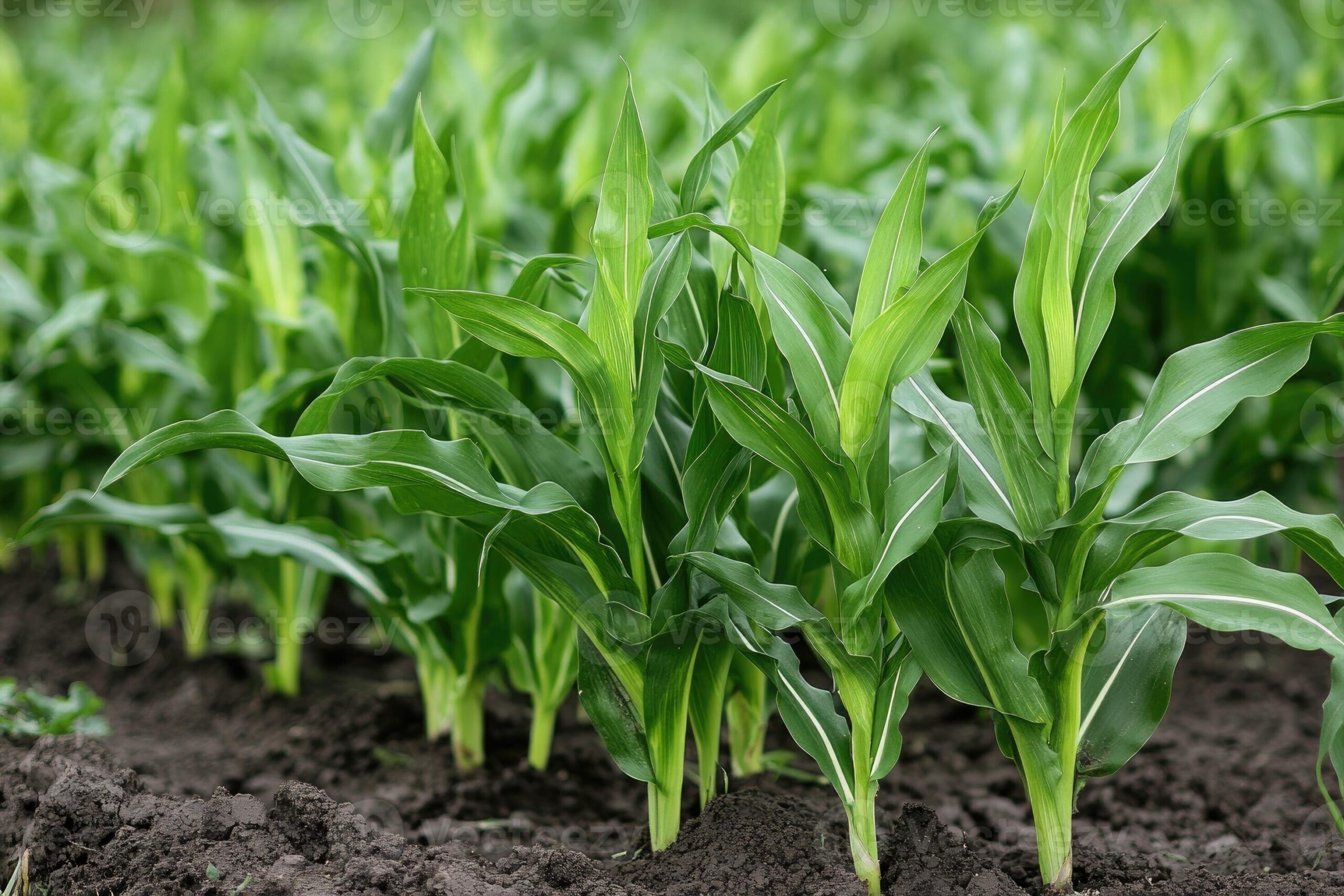
young corn plants growing in fertile soil on farm photo

Climate, Insecurity Triple Nigeria’s Partial Crop Losses to Over 20% — World Bank

Partial crop losses on Nigerian farms have more than tripled in five years, rising from about six per cent of cultivated plots in the 2018/19 farming season to more than 20 per cent in 2023/24, according to a World Bank analysis of Nigeria’s General Household Survey–Panel data.

The sharp increase, attributed largely to climate shocks, environmental stress and worsening insecurity, is raising concerns over food security, rural livelihoods and the long-term sustainability of Nigeria’s agricultural sector.

The World Bank analysis, based on the 2018/19 and 2023/24 rounds of the General Household Survey–Panel, examined losses affecting both seasonal field crops and permanent tree crops. The survey is nationally representative and covers households across Nigeria’s six geopolitical zones.

According to the analysis, while complete crop failures remained relatively stable, partial losses—where crops are damaged or yields are significantly reduced without the entire crop being destroyed—rose sharply over the five-year period.

Weather and environmental shocks remained the leading cause of crop losses nationwide, accounting for more than one-third of total losses in both seasons and nearly two-thirds of partial losses in 2023/24.

Seasonal crops were particularly exposed to flooding, excessive rainfall and other weather-related disruptions. Data from the survey also identified flooding, drought, excessive rainfall, pests, diseases and other environmental factors among the causes of unharvested crops.

However, insecurity has emerged as an increasingly significant threat to agricultural production.

The World Bank said conflict-related losses nearly doubled between the two seasons, accounting for roughly one-fifth of national crop losses by 2023/24. In parts of the Northeast, Northwest and North-Central regions, insecurity has become comparable to climate-related shocks as a driver of agricultural losses.

Unlike weather-related damage, which mainly reduces yields, insecurity can disrupt the entire agricultural production chain by preventing farmers from accessing their land, labour, farm inputs and markets.

In severely affected communities, farmers may be forced to abandon their farms altogether, further reducing food production and household incomes.

The regional picture also changed considerably during the period under review.

In 2018/19, the South-South recorded the highest level of total crop losses, at 13.1 per cent of plots, largely as a result of weather-related shocks. Losses were considerably lower in the North-Central and Northeast, at 4.3 per cent and 4.6 per cent respectively.

By 2023/24, the Southwest recorded losses of 11.9 per cent, while the South-South remained high at 12.8 per cent.

The most striking change was recorded in the Northeast, where more than 40 per cent of plots experienced partial losses, reflecting the combined effects of weather shocks and insecurity.

Field crops, including staples such as maize, yam and cowpea, also experienced a significant increase in losses. The World Bank analysis noted that losses among field crops doubled, while losses affecting tree crops declined slightly.

Weather shocks accounted for much of the increase among staple crops, which are particularly important to household food supplies and rural incomes. Conflict and pests, however, affected both field and tree crops.

Another warning sign is the increase in farmland that was planted but left entirely unharvested.

The national share of unharvested plots increased significantly, with the sharpest rise recorded in the Northeast, where the proportion climbed from about seven per cent to nearly 27 per cent.

Beans and cowpea recorded the highest shares of unharvested plots, followed by cassava and maize. Yam was the only major crop to record a decline, which the analysis suggested could partly reflect its wider geographical spread and shorter growing cycle.

The findings point to a broader challenge for Nigeria’s agricultural transformation: increasing production alone may not be sufficient if farmers remain exposed to climate and security shocks.

The World Bank said greater investment is needed in drainage and flood-control infrastructure, climate-smart agricultural practices and resilient seed varieties, particularly in areas vulnerable to flooding and other extreme weather events.

It also called for closer coordination between agricultural support programmes and security interventions to ensure that the distribution of farm inputs, extension services and livelihood programmes reflects the security realities of affected communities.

Improved access to climate information, pest management and agricultural advisory services was also identified as important to helping farmers anticipate and manage production risks.

The World Bank noted that the growing scale of crop losses is often overlooked by conventional agricultural monitoring systems, which tend to focus on overall production volumes rather than the extent of losses suffered by individual farms and plots.

Without stronger measures to protect farmers from climate and security shocks, the continued rise in partial crop losses could undermine food availability, reduce rural incomes and slow progress in Nigeria’s agricultural sector.

The findings therefore highlight the need for a more resilient agricultural system—one capable not only of increasing production, but also of protecting farmers, farmland and food supplies from the growing pressures of climate change, environmental degradation and insecurity.

Follow on Facebook Follow on X (Twitter) Follow on WhatsApp Follow on TikTok Follow on Instagram Follow on YouTube
Share. Facebook Twitter LinkedIn Email Telegram WhatsApp Copy Link

Related Posts

Borno Residents Welcome Sheikh Sheriff Saleh After 15-Year Absence

November 16, 2026

NEPWHAN Engages Students In Bi-annual ATM GBV/GHR Outreach In Borno State

November 14, 2026

Kebbi Police Rescue Five Kidnapped Victims, Arrest Three Suspects In Dakingari

November 9, 2026
Leave A Reply Cancel Reply

Don't Miss
Environment

Borno Residents Welcome Sheikh Sheriff Saleh After 15-Year Absence

By Abdulkarim IbrahimNovember 16, 20260

Residents of Maiduguri on Sunday welcomed renowned Islamic scholar, Sheikh Sheriff Ibrahim Saleh El-Hussain, following

NEPWHAN Engages Students In Bi-annual ATM GBV/GHR Outreach In Borno State

November 14, 2026

Kebbi Police Rescue Five Kidnapped Victims, Arrest Three Suspects In Dakingari

November 9, 2026

Zulum Assures Befitting NSE Conference

November 8, 2026
Stay In Touch
  • Facebook
  • Twitter
  • Instagram
  • YouTube
  • Telegram
  • TikTok
Recent Posts

Borno Residents Welcome Sheikh Sheriff Saleh After 15-Year Absence

November 16, 2026

NEPWHAN Engages Students In Bi-annual ATM GBV/GHR Outreach In Borno State

November 14, 2026

Kebbi Police Rescue Five Kidnapped Victims, Arrest Three Suspects In Dakingari

November 9, 2026

Zulum Assures Befitting NSE Conference

November 8, 2026
About Us

The Wind Flow News is an online newspaper that focuses on untapped stories on climate change, agriculture, and the environment. It is a paper based on the Climate Change, Agriculture, and Environment tripod.

Wind Flow will bring you stories that are neglected or partially treated on climate change, agriculture, and the environment.

Email Us: info@windflow.ng
Contact: +234 805 0680 755

Recent Posts

HJRBDA’s Engr. Dr Bichi Hosts Engr. Prof Utse In Historic Visits To Jigawa And Kano States

February 7, 2026

Climate Narratives Lab: The Global South at the Center of Solutions for Good Living

June 28, 2024

Energy Commission Partners Noretek On Green Hydrogen

March 10, 2025
Categories
  • Agriculture (708)
  • Climate Change (391)
  • Environment (1,162)
  • Features (58)
  • News (1,632)
  • Opinion (49)
  • Research (21)
  • Uncategorized (25)
Facebook X (Twitter) Instagram TikTok
  • Home
  • About Us
  • Advert Rates
  • Contact Us
  • Privacy Policy
  • Terms
© 2026 WIND FLOW

Type above and press Enter to search. Press Esc to cancel.

Join Us On WhatsApp