

NEPWHAN Engages Students In Bi-annual ATM GBV/GHR Outreach In Borno State
The Network of People Living with HIV and AIDS in Nigeria (NEPWHAN), alongside participants from three Community-Led Monitoring (CLM) Civil Society Organisations (CBOs), on 13 November 2026, conducted its Bi-Annual ATM GBV/GHR Outreach at Government Girls Secondary School, Maiduguri, Borno State.
The outreach was organised to increase awareness of available Gender-Based Violence (GBV) and Gender and Human Rights (GHR) prevention and response services, as well as strengthen linkages and referral pathways for individuals who need support and access to justice.
The activity provided an opportunity for students to learn about different forms of gender-based violence, their fundamental rights, how to report cases of abuse, and where to seek help when their rights are violated.
The outreach featured presentations from representatives of two important government institutions, the National Human Rights Commission (NHRC) and the Borno State Ministry of Justice.
Mr. Saidu Adamu Chul, representing the National Human Rights Commission, delivered a presentation titled Human Rights Protection, Fundamental Rights and Access to Redress Mechanisms.
He educated students on their fundamental human rights, the importance of protecting those rights, and the available channels for seeking redress whenever they experience human rights violations. He also explained the role of the Commission in protecting individuals and addressing complaints relating to human rights abuses.
Similarly, Mr. Mustapha Bukar Mustapha, representing the Borno State Ministry of Justice, delivered a presentation on Access to Justice, Legal Pathways, Rights and Available Remedies for Survivors of Gender-Based Violence.
His presentation focused on the legal procedures for reporting GBV cases, the rights of survivors, and the available legal remedies and support services. He encouraged participants to understand their rights and seek appropriate assistance whenever they or anyone around them experiences gender-based violence.
Beyond the GBV/GHR discussions, the NEPWHAN State Coordinator, Baba Shettima, also educated students on HIV/AIDS, Tuberculosis (TB), and Malaria, highlighting their common signs and symptoms and practical ways of preventing these diseases.
On HIV/AIDS, he discussed the importance of prevention, HIV testing, early knowledge of one’s status, and avoiding discrimination and stigma against people living with HIV.
On Tuberculosis, students were informed about common symptoms such as persistent cough, fever, night sweats and unexplained weight loss. He encouraged anyone experiencing these symptoms to visit a health facility for proper examination and testing.
He also discussed malaria prevention, encouraging students to sleep under insecticide-treated mosquito nets, maintain clean surroundings, and eliminate stagnant water that serves as mosquito breeding sites.
Furthermore, he emphasised the importance of good personal hygiene, regular handwashing, proper sanitation, and maintaining a clean environment as important practices for preventing infections and staying healthy.
The outreach was made more engaging through an interactive question-and-answer session, during which students had the opportunity to ask questions about GBV, human rights, reporting procedures, HIV, TB, and malaria prevention.
The NEPWHAN State Coordinator also responded to questions raised by the students, providing further clarification and practical guidance.
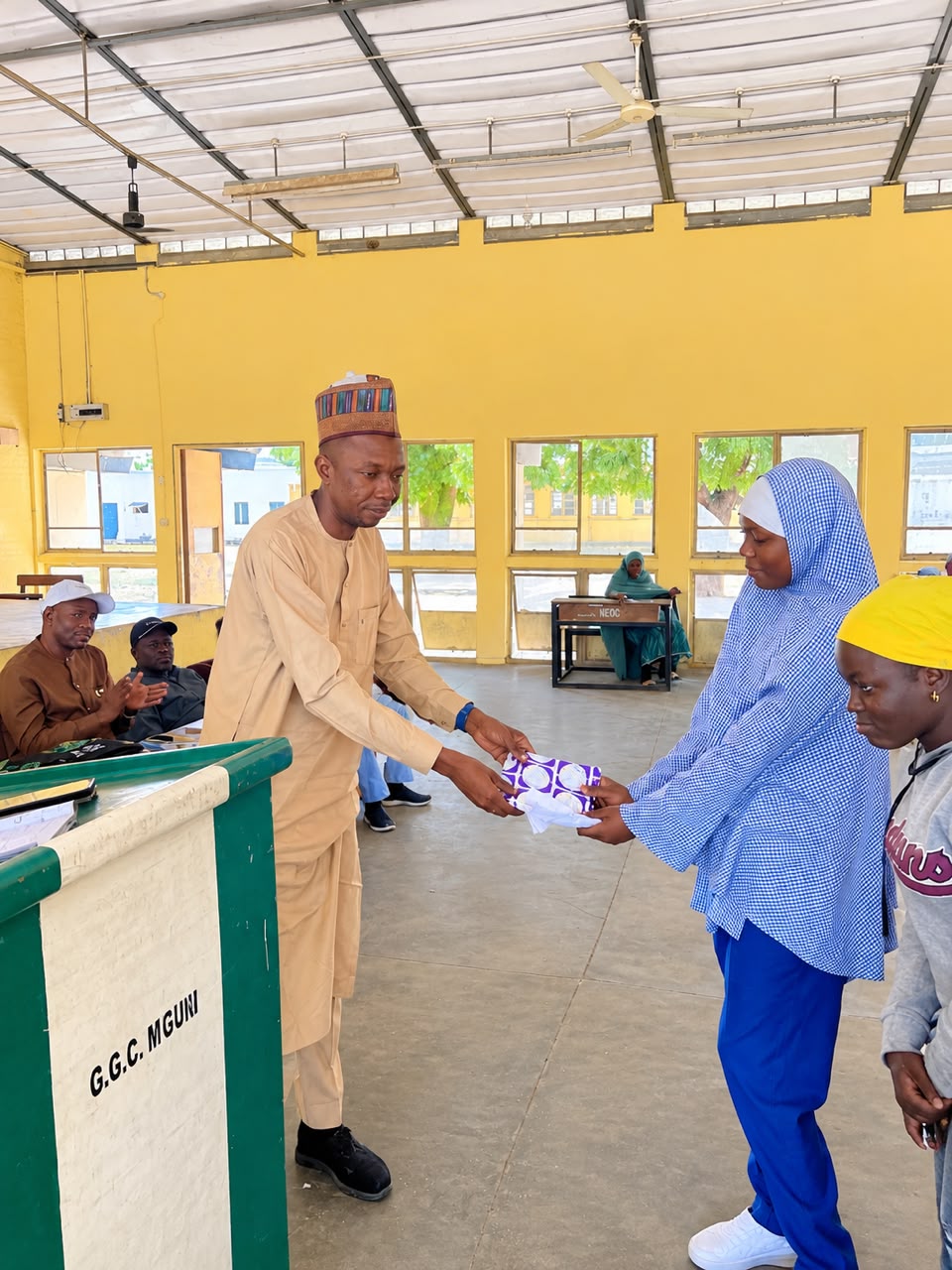
To assess participants’ understanding of the presentations, a quiz competition was organised and led by Miss Ohiani Halimat Oyamine, Programme Officer, APYIN Borno.
The quiz covered key topics discussed during the outreach, particularly GBV/GHR awareness, human rights, reporting channels, and disease prevention. Students who correctly answered the questions received gifts presented by the NEPWHAN State Coordinator.
The competition added an interesting and educational element to the programme, allowing students to demonstrate what they had learned while encouraging active participation.
The outreach reinforced the importance of ensuring that young people have access to accurate information about their rights, available protection services, and where to report cases of abuse or human rights violations.
The involvement of the National Human Rights Commission and the Borno State Ministry of Justice also provided an opportunity to strengthen collaboration between community organisations and government institutions responsible for human rights protection and access to justice.
Through this engagement, NEPWHAN and the participating CLM CBOs continue to support efforts to ensure that individuals, particularly young people and vulnerable populations, know their rights and can access appropriate services when needed.
NEPWHAN appreciates the National Human Rights Commission, Borno State Ministry of Justice, the management of Government Girls Secondary School, Maiduguri, the participating CLM CBOs, and all resource persons for their contributions to the success of the outreach.
The organisation remains committed to promoting human rights, preventing gender-based violence, improving health awareness, and strengthening access to essential support and referral services across Borno State.
Educating young people about their rights and health is an important step towards building safer, healthier and more informed communities.