

By Uzair Adam
The Federal Government, in collaboration with federal lawmakers and 28 state Houses of Assembly, has resolved to tackle malnutrition and food insecurity across Nigeria.
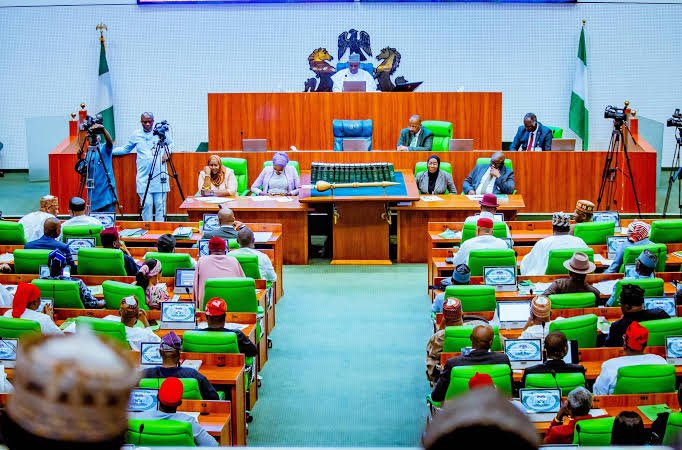
This commitment was made on Monday in Abuja at a meeting organized by the House of Representatives Committee on Nutrition and Food Security, marking the inauguration of the National Legislative Network on Nutrition and Food Security.
In his opening remarks, Speaker of the House of Representatives, Tajudeen Abbas, highlighted the critical nature of food security for national development.
“We are taking concrete steps to restore hope to the suffering masses that will guarantee the enhancement of their well-being. We need the involvement of the state Assemblies to attain nutrition and food security, and this move is in the right direction to achieve a greater result.
“We share the people’s pains, discomfort, suffering, and depression following the worrisome cost of food items and the decline in nutrition,” he stated.
Minister of Health and Social Welfare, Prof. Ali Pate, called for stakeholder collaboration in combating malnutrition.
“We have diabetes and hypertension because of the processed food we eat. It is not just the calories, but the diversity of the diet, which is very important,” he said, emphasizing the impact of malnutrition on children’s learning abilities.
Minister of Budget and National Planning, Atiku Bagudu, underscored the need for a localized approach to nutrition and food security challenges, which are constitutional issues.
“Nutrition is a localized issue. There are differences from one community to the next. We need to localize challenges. The resource constraints are one of the challenges of nutrition and food security,” he said, adding that Nigeria could find resources to fund its priorities and change under-investment policies.
Minister of Agriculture, Abubakar Kyari, identified banditry, kidnapping, and policy frameworks as factors contributing to malnutrition and the food crisis.
He called for strategies to prevent and alleviate suffering, emphasizing the major impact of malnutrition on children.
Chike Okafor, representing Ehime Mbano/Ihitte Uboma/Obowo Federal Constituency and Chairman of the House Committee on Nutrition and Food Security, highlighted the threat of malnutrition and food insecurity to socio-economic development.
“Worsening inflation has also aggravated this burden on ordinary Nigerians, and the food insecurity situation in Nigeria has worsened. There is, however, cause for optimism. The optimism we share stems from the fact that for the first time, attempts to tackle malnutrition and food insecurity will have a legislative push,” he said.
Debo Ogundoyin, Speaker of the Oyo State House of Assembly and Chairman of the Conference of Speakers of State Legislatures, emphasized the importance of involving state Assemblies in the fight against food insecurity due to their closeness to the people.
He noted that ensuring the well-being of citizens in terms of food security and nutrition has become a central focus across the states.