

By Uzair Adam
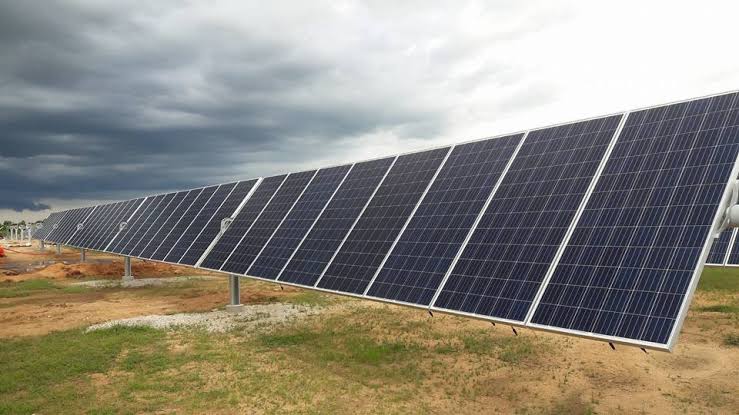
The University of Nigeria, Nsukka (UNN), has taken a significant step towards energy sustainability with the inauguration of a 240KW solar-powered car park.
Donated by Azura Power West Africa, the N900 million project is designed to address the university’s electricity challenges, reduce carbon emissions, and serve as a model for renewable energy adoption in Nigerian institutions.
The Minister of Power, Adebayo Adelabu, represented by Sunday Owolabi, Director of Renewable Energy, described the project as a milestone in the country’s renewable energy journey.
He reiterated the federal government’s vision 30:30:30, which aims to generate 30% of Nigeria’s electricity from renewable sources by 2030.
“This solar car park is not just infrastructure; it’s a testament to our commitment to sustainability and innovation in energy solutions,” Adelabu said, adding that; solar energy offers a sustainable alternative to address Nigeria’s energy challenges.
The solar car park is expected to cut the university’s annual energy costs by N150 million, reduce diesel consumption by 135,000 liters, and lower CO₂ emissions by 351,000 kilograms each year.
UNN’s Deputy Vice Chancellor (Administration), Professor Romanus Eze Okonkwo, commended Azura Power for the intervention, noting that it comes at a time when the university is grappling with severe electricity shortages due to an N800 million debt to the Enugu Electricity Distribution Company.
“This project is a lifeline for the university and a practical demonstration of how private sector partnerships can alleviate public sector challenges,” Okonkwo said.
Edu Okeke, Managing Director of Azura Power West Africa, emphasized the company’s commitment to education and sustainability.
He revealed that this initiative was inspired by his alma mater and is part of Azura’s corporate social responsibility program, “Power to Change,” which supports education, health, and infrastructure projects across Nigeria.
“Our goal is to enable institutions like UNN to focus on education and innovation while reducing operational costs and environmental impact,” Okeke explained.
Azura Power plans to replicate similar projects in five more universities by 2035, as part of its mission to expand renewable energy capacity to 2MW.
The project aligns with the federal government’s Renewable Energy Master Plan, underscoring the importance of public-private partnerships in achieving national energy goals.
The solar car park demonstrates how clean energy solutions can reduce dependence on fossil fuels, drive sustainability, and enhance the quality of education in Nigeria.
As Nigeria continues to tackle its energy challenges, this initiative stands out as a beacon of hope and a call to action for other stakeholders to contribute to the country’s renewable energy ambitions.