Close Menu
  • Home
  • Agriculture
  • Climate Change
  • Environment
  • Features
  • News
  • Research
  • Advert Rates
Facebook X (Twitter) Instagram
WIND FLOWWIND FLOW
SUBSCRIBE
  • Home
  • Agriculture

    From Rice to Wheat: Sierra Leone Breaks New Ground as TAAT and Partners Launch Historic Wheat Demonstration

    October 28, 2026

    Katsina Flags-off planting 11 million trees To fight desertification

    October 25, 2026

    FG Deepens Global Partnerships To Unlock Agricultural Financing And Boost Farmers’ Productivity

    October 21, 2026

    FG Unveils New Livestock Curriculum To Boost Practical Skills, Youth Employment

    October 21, 2026

    Borno, Chad Seek Stronger Partnership To Boost Agriculture, Trade

    October 21, 2026
  • Climate Change

    Climate Change: Red Cross Steps Up Awareness Campaign in Borno

    October 7, 2026

    Ex-Lawmaker Urges Africa to Assert Climate Agency, Shape Its Own Future

    September 9, 2026

    GDP: Agriculture Growth Highlights Farmers’ Resilience, but Reforms Needed – Economist

    September 9, 2026

    NiMet Alerts Five States to Flood Risk, Forecasts Heavy Rains Across Nigeria

    September 9, 2026

    RDI, NIJ Equip Young Journalists with Skills for Climate, Environmental Reporting

    August 24, 2026
  • Environment

    Borno Residents Welcome Sheikh Sheriff Saleh After 15-Year Absence

    November 16, 2026

    NEPWHAN Engages Students In Bi-annual ATM GBV/GHR Outreach In Borno State

    November 14, 2026

    Kebbi Police Rescue Five Kidnapped Victims, Arrest Three Suspects In Dakingari

    November 9, 2026

    Troops Rescue Two Kidnapped Women During Clearance Operations in Zamfara Forests

    November 8, 2026

    Borno Creative Professional Honoured At 2026 Face Of Change Nigeria Awards

    November 4, 2026
  • Features

    From Rice to Wheat: Sierra Leone Breaks New Ground as TAAT and Partners Launch Historic Wheat Demonstration

    October 28, 2026

    Yankari Game Reserve: A Forest Where Wild Animals and Humans Relate

    September 30, 2026

    Two Months Of Action: Kano’s New Front In The War Against Drug Abuse

    September 23, 2026

    WOFAN And Bagauda: A Lesson In Commitment, Sacrifice And Collective Action

    September 13, 2026

    From Lab To Farmland: How TAAT Is Turning Africa’s Agricultural Innovations Into Food, Jobs And Prosperity

    September 7, 2026
  • News

    Borno Residents Welcome Sheikh Sheriff Saleh After 15-Year Absence

    November 16, 2026

    NEPWHAN Engages Students In Bi-annual ATM GBV/GHR Outreach In Borno State

    November 14, 2026

    Kebbi Police Rescue Five Kidnapped Victims, Arrest Three Suspects In Dakingari

    November 9, 2026

    Zulum Assures Befitting NSE Conference

    November 8, 2026

    Troops Rescue Two Kidnapped Women During Clearance Operations in Zamfara Forests

    November 8, 2026
  • Research

    How Climate Change Is Reshaping The global Plastic Pollution Crisis

    February 19, 2026

    Open Defecation Remains A Challenge In Nigeria: 18% Of Citizens Affected

    August 11, 2025

    What Are The Impacts Of Climate Change In Nigeria?

    August 9, 2025

    Nigerian-born Researcher Adewumi Leverages AI To Revolutionize Agriculture

    August 9, 2025

    Regional Hub For Fertilizer And Soil Health Using Data Science For Nutrition Recommendations To Boost Food Productivity In West Africa And The Sahel

    July 31, 2025
  • Advert Rates
WIND FLOWWIND FLOW
Home » One Third Of Global Food Supply Is Wasted – Report
Agriculture

One Third Of Global Food Supply Is Wasted – Report

Abdulkarim IbrahimBy Abdulkarim IbrahimDecember 19, 20245 Mins Read
Facebook Twitter LinkedIn WhatsApp Email Telegram Copy Link
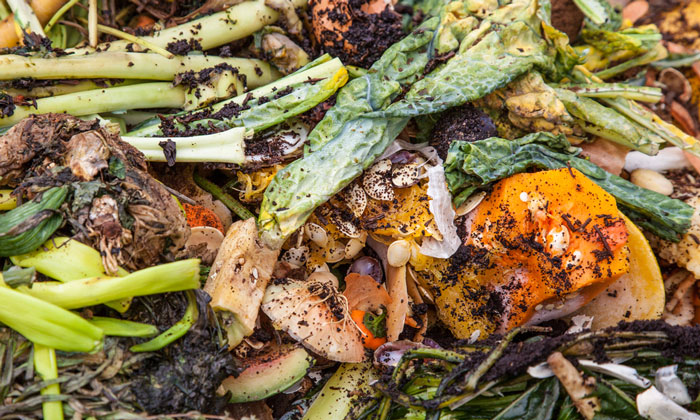
food waste header

By Abdulkarim Ibrahim

About one third of global food production is either squandered or spoiled annually, before it get to the consumers, according to a report by the UK Foods Standards Agency.

The report also revealed that the high-Income countries waste as much food as Sub-Saharan Africa produces.

The COVID pandemic has shown the fragility of our global food supply chains, with many supermarkets and restaurants in almost every country having experienced food shortages.

Millions of people in the UK alone have experienced severe food insecurity during COVID-19, according to a recent report by the country’s Foods Standards Agency. But food shortages were prevalent long before the pandemic.

At the same time, one-third of all food produced each year globally is squandered or spoiled before it can be consumed. Research also suggests that high-income countries waste as much food as sub-Saharan Africa produces.
research food waste 1.png
Eating Habit Contributing to Avoidable Food Waste

This food waste then ends up in landfills to rot, which releases greenhouse gases. And when this is combined with the amount of energy it takes to produce, manufacture, transport and store this food, it contributes a staggering 3 billion tonnes of carbon dioxide to our planet.

To put that in context, if food waste was a country, it would be the third-highest emitter of greenhouse gases in the world, after the US and China.

But the good news is there are numerous techniques, technologies and policies that together could help reduce global food waste at every point in the process of production and consumption.

Why is food wasted?
According to the Food and Agriculture Organisation for the United Nations, lack of infrastructure, limited knowledge on storage and food handling, combined with unfavourable climatic conditions, can lead to lots of food spoilage and waste in low-income countries.

On the other hand, in high-income countries, aesthetic preferences and arbitrary sell-by dates mean food easily becomes waste.

Cosmetic blemishes, produce that is too ripe, too big, too little or even the wrong shape can lead to perfectly good fruits and vegetables going to waste.

Supermarkets throw out massive amounts of peppers, cabbage, cauliflower, parsnips, lettuce in rubbish bin, as ‘waste’ food every year.

As the global population continues to increase, it places real pressure on world food production. Indeed, the industry will need to grow by at least two-thirds by 2050 to ensure adequate nutrition for everyone in the world.

Yet, despite the dire need to become more resourceful, food waste and loss is at an all-time high, making it clear that unless prompt action is taken, food shortages will soon become a long-term reality.

What can be done?
The key to tackling this issue is to have a resilient and resourceful “farm-to-fork” approach to help reduce food waste and to ensure the future of food security.

Collaboration with food producers and more investment in technological applications and overall infrastructure at the earlier stages of the food supply chain can drastically reduce food waste and loss in low-income countries.

This is important because plant diseases and pests, along with poor harvesting techniques can be a big factor in the high levels of food waste at this point in the food supply chain.

Also, powered drones can help farmers become more resourceful and reduce the overuse of pesticides in food production.

This is important because pesticides can adversely affect the food ecosystem. They pollute water, deplete soil fertility and contaminate turf, all of which can result in food loss and waste.

This approach also enhances crop yield and reduces operational costs as well as improves the health of livestock is also better for the environment.
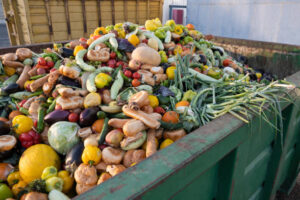
expired organic bio waste mix vegetables and fruits in a huge container in a rubbish bin heap
A Huge Waste Bin Full of Expired Vegetables and Fruits From Stores

A big part of the food waste problem is changing how we shop and view food and our mindset around what constitutes waste.

But research shows the best way to tackle food waste among consumers is to highlight the potential money that can be saved as well as the “feel-good factor”, or moral value, of doing a good thing for the environment.

A recent study with households in London, UK and Ontario, Canada, found that a two-week money-based intervention called “reduce food waste, save money” helped participants to throw away 30% less food. Participants were given local information on food waste and costs, along with tips on how to improve food planning, efficiently purchase, store, and prepare food and how to use leftovers to create new meals.

Similarly, new technology can help commercial kitchens reduce food waste by directly connecting behaviour changes to increased profits. For example, the Winnow software system calculates the costs of discarded food, correlating food waste to sales.

A more creative approach to food waste comes via a circular food system, which prevents food waste from being discarded. It can, for example, be converted into renewable energy.

Waste can even be transformed into more food for humans (for example, tofu from leftover soybeans), as well as animal feed.

While the problem of food waste can feel quite out of your hands as a consumer, there are things you can do to help.

Things like supporting businesses or restaurants that use waste foods in their products or meals. Planning your meals around sell-by dates. Not throwing out food if it is a bit wilted or bruised and only buying what you need, especially on special occasions where food can often go uneaten and to waste.

Ultimately, it is not going to be any single thing that solves food waste, but a collective approach can enable us to make the changes that need to happen.

Follow on Facebook Follow on X (Twitter) Follow on WhatsApp Follow on TikTok Follow on Instagram Follow on YouTube
Share. Facebook Twitter LinkedIn Email Telegram WhatsApp Copy Link

Related Posts

Borno Residents Welcome Sheikh Sheriff Saleh After 15-Year Absence

November 16, 2026

NEPWHAN Engages Students In Bi-annual ATM GBV/GHR Outreach In Borno State

November 14, 2026

Kebbi Police Rescue Five Kidnapped Victims, Arrest Three Suspects In Dakingari

November 9, 2026
Leave A Reply Cancel Reply

Don't Miss
Environment

Borno Residents Welcome Sheikh Sheriff Saleh After 15-Year Absence

By Abdulkarim IbrahimNovember 16, 20260

Residents of Maiduguri on Sunday welcomed renowned Islamic scholar, Sheikh Sheriff Ibrahim Saleh El-Hussain, following

NEPWHAN Engages Students In Bi-annual ATM GBV/GHR Outreach In Borno State

November 14, 2026

Kebbi Police Rescue Five Kidnapped Victims, Arrest Three Suspects In Dakingari

November 9, 2026

Zulum Assures Befitting NSE Conference

November 8, 2026
Stay In Touch
  • Facebook
  • Twitter
  • Instagram
  • YouTube
  • Telegram
  • TikTok
Recent Posts

Borno Residents Welcome Sheikh Sheriff Saleh After 15-Year Absence

November 16, 2026

NEPWHAN Engages Students In Bi-annual ATM GBV/GHR Outreach In Borno State

November 14, 2026

Kebbi Police Rescue Five Kidnapped Victims, Arrest Three Suspects In Dakingari

November 9, 2026

Zulum Assures Befitting NSE Conference

November 8, 2026
About Us

The Wind Flow News is an online newspaper that focuses on untapped stories on climate change, agriculture, and the environment. It is a paper based on the Climate Change, Agriculture, and Environment tripod.

Wind Flow will bring you stories that are neglected or partially treated on climate change, agriculture, and the environment.

Email Us: info@windflow.ng
Contact: +234 805 0680 755

Recent Posts

DHQ Team Hails OPHK Leadership On Anti-Insurgency Gai

July 26, 2025

Rising Prices of Garri in Nigeria Linked to Economic Downturn, Farming Challenges

July 3, 2024

Sen Kyari Highlights Major Boost In Food Production Through National Agro Scheme

November 15, 2024
Categories
  • Agriculture (708)
  • Climate Change (391)
  • Environment (1,162)
  • Features (58)
  • News (1,632)
  • Opinion (49)
  • Research (21)
  • Uncategorized (25)
Facebook X (Twitter) Instagram TikTok
  • Home
  • About Us
  • Advert Rates
  • Contact Us
  • Privacy Policy
  • Terms
© 2026 WIND FLOW

Type above and press Enter to search. Press Esc to cancel.

Join Us On WhatsApp