

By Ali Mohammed Zanna, Maiduguri
The United Nations Resident Humanitarian Coordinator has called for urgent climate action in Nigeria’s telecommunications sector, emphasizing that climate change is not just an environmental issue but a major economic, social, and security challenge.
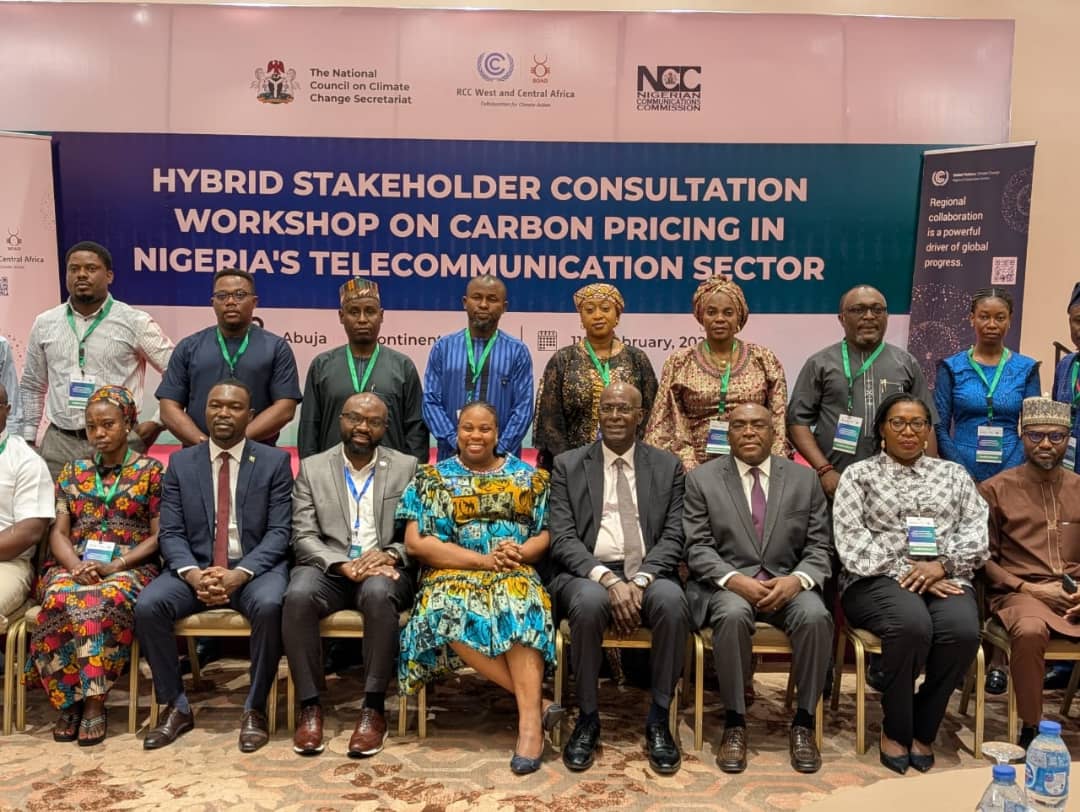
Speaking at the Hybrid Stakeholder Consultation Workshop on Carbon Pricing in Nigeria’s Telecommunication Sector, the official highlighted Nigeria’s vulnerability to climate disasters.
In 2022, devastating floods impacted 33 out of 36 states, leading to over 600 deaths and displacing more than 1.4 million people. States like Kogi, Anambra, and Bayelsa suffered severe damage to homes, infrastructure, and farmland.
Borno State, in northeastern Nigeria, is particularly vulnerable to climate change, facing challenges such as desertification, erratic rainfall, and extreme temperatures.
These environmental issues contribute to food insecurity, displacement, and conflict in a region already affected by insurgency.
In April 2024, Sokoto recorded an unprecedented temperature of 44.8°C, highlighting the rising frequency of extreme heat events, a concern that also affects Borno and its neighboring states.
In response to these challenges, the Borno State Agency for Great Green Wall is playing a crucial role in combating desertification and restoring degraded lands. As part of the broader environmental sustainability efforts, the agency focuses on afforestation, land rehabilitation, and sustainable environmental management to prevent desert encroachment.
Beyond tree planting, the agency promotes climate-smart agriculture, renewable energy solutions, and community-driven conservation efforts.
These initiatives aim to improve livelihoods, enhance food security, and create sustainable economic opportunities for communities affected by climate change.
At the national level, Nigeria has reinforced its commitment to climate action. The updated Nationally Determined Contributions (NDCs) aim to reduce greenhouse gas (GHG) emissions by 20% unconditionally and up to 47% conditionally by 2030.
The United Nations remains a key partner in Nigeria’s fight against climate change. Organizations such as the United Nations Environment Programme Finance Initiative (UNEP FI), the United Nations Development Programme (UNDP), the Food and Agriculture Organization (FAO), and the United Nations Convention to Combat Desertification (UNCCD) are supporting sustainable climate solutions across the country.
As climate change continues to impact Nigeria’s economy, security, and public health, stakeholders must accelerate efforts to implement policies that mitigate its effects.
For Borno, strengthening the Borno State Agency for Great Green Wall and expanding climate adaptation strategies will be essential in securing a sustainable and resilient future.