

By Abdulkarim Ibrahim
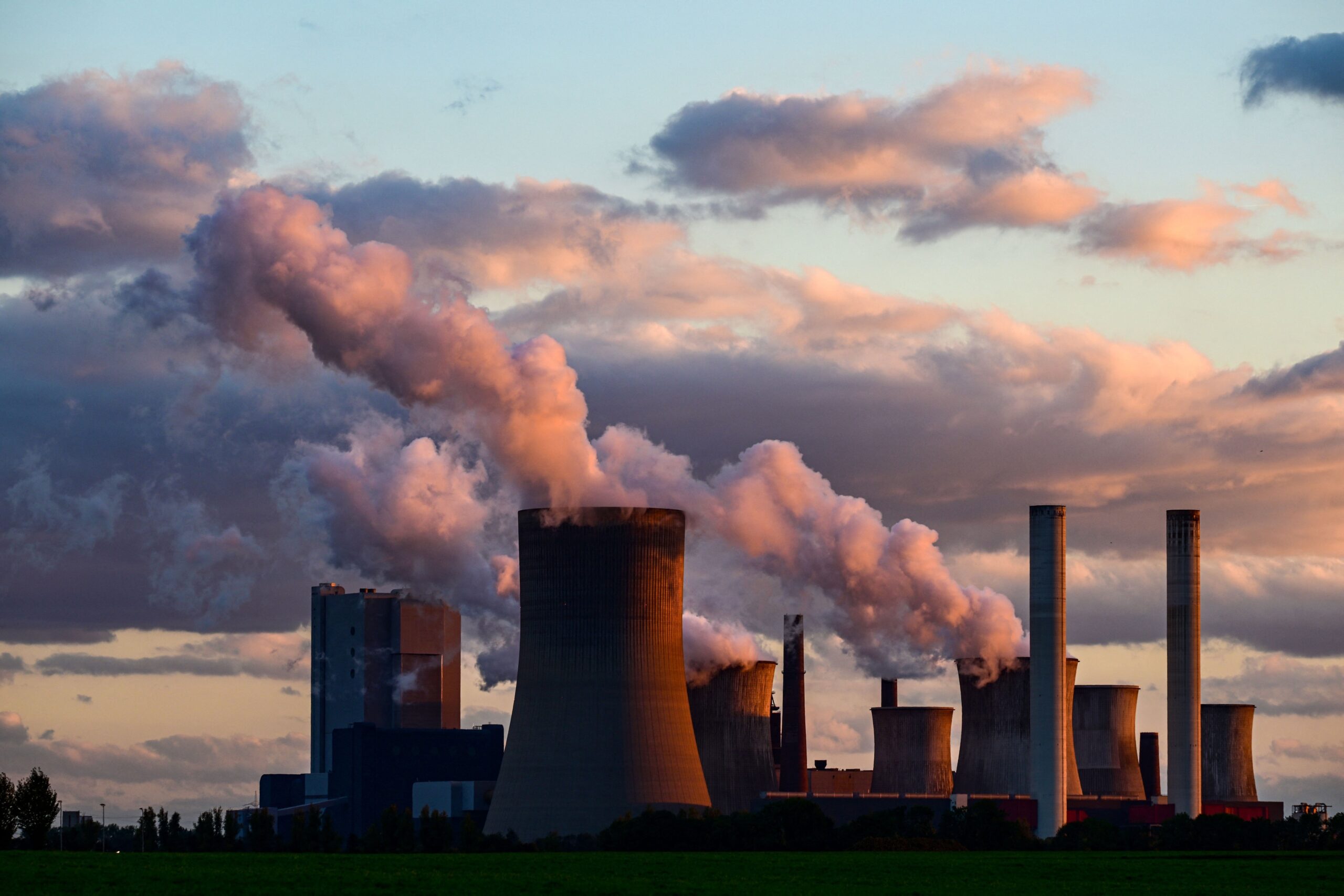
The Federal Government has reaffirmed its pledge to decrease greenhouse gas and carbon emissions within Nigeria’s industrial sector.
Minister of Environment, Malam Balarabe Lawal, emphasized this commitment at a stakeholders’ engagement workshop on the National Industrial Decarbonisation Programme (NIDP) in Abuja.
This move aligns with Nigeria’s broader efforts to address climate change, including its goal to reach net-zero emissions by 2060 and reduce greenhouse gas emissions by 20% by 2030. Lawal, who was represented by Mr Mahmud Kambari, the Permanent Secretary, Federal Ministry of Environment, said the workshop aimed to transitioning the country’s industrial sector towards a low-carbon economy.
He said that the engagement demonstrated government and stakeholders` collective commitment to a sustainable and environmentally responsible industrial sector in Nigeria.
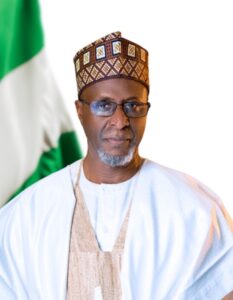
Hon. Minister of Environment
Lawal said that industrial activities played a significant role in driving economic growth, employment and national development.
“However, they also contribute substantially to greenhouse gas emissions, leading to climate change and environmental degradation,” he said.
The minister said that the inauguration of the NIDP marked a strategic step in Nigeria’s journey to achieving net- zero emissions.
“Through this initial, we aim to facilitate the adoption of cleaner technologies, promote resource efficiency and support industries in transitioning towards low- carbon operations.
” On our part, the federal government, through the ministry of environment and it’s agencies, remain committed to creating an environment for industries to thrive sustainably,” he said.
Also speaking, Dr Innocent Barikor, the Director- General, National Environmental Standards and Regulations Enforcement Agency (NESREA), said the event marked a pivotal moment toward a sustainable and resilient future for Nigeria.
“The National Industrial Decarbonisation Programme represents our firm commitment to reducing greenhouse gas emissions and transitioning our industrial sector towards a low-carbon economy,” he said.
Barikor said, Nigeria’s commitment to achieving net zero emissions by 2060 is indeed ambitious and aligns with its international obligations under the Paris Agreement. This target was first announced by President Muhammadu Buhari at COP26 in 2021.
“By adopting decarbonisation strategies and establishing a clear regulatory framework, we can significantly mitigate these emissions while simultaneously enhancing our competitiveness in international markets.
“The road to industrial decarbonisation is challenging, but it is also filled with opportunities that promise to deliver long-term environmental and economic benefits.
“By working together, we can ensure that our industries not only comply with global standards but also thrive in a low-carbon economy,” he said.
Earlier, Rep. Garba Mohammed, Chairman, NESREA’s Governing Board, said that the event marked a significant milestone in Nigeria’s journey toward sustainable industrial development and environmental stewardship.
He said that the initiative aimed to reducing greenhouse gas emissions, enhancing energy efficiency, and transitioning the country’s industries toward a greener future.
“Our industrial sector is a cornerstone of Nigeria’s economy, yet it is also a significant source of carbon emissions.
”It is incumbent upon us as custodians of the environment to lead the charge in transforming industrial practices, adopting cleaner technologies, enhancing energy efficiency, and establishing robust mechanisms for compliance and carbon credit trading,” he said
The country’s Energy Transition Plan, which outlines its pathway to net zero emissions, focuses on reducing emissions from key sectors such as power, transport, oil and gas, cooking, and industry ². These sectors account for about 65% of Nigeria’s CO2 emissions.
Nigeria’s journey to net zero emissions will require significant investment, with an estimated $1.9 trillion needed to achieve this goal. The country is seeking international support and partnerships to help finance its energy transition plan.