


By Ali Mohammed Zanna, Maiduguri
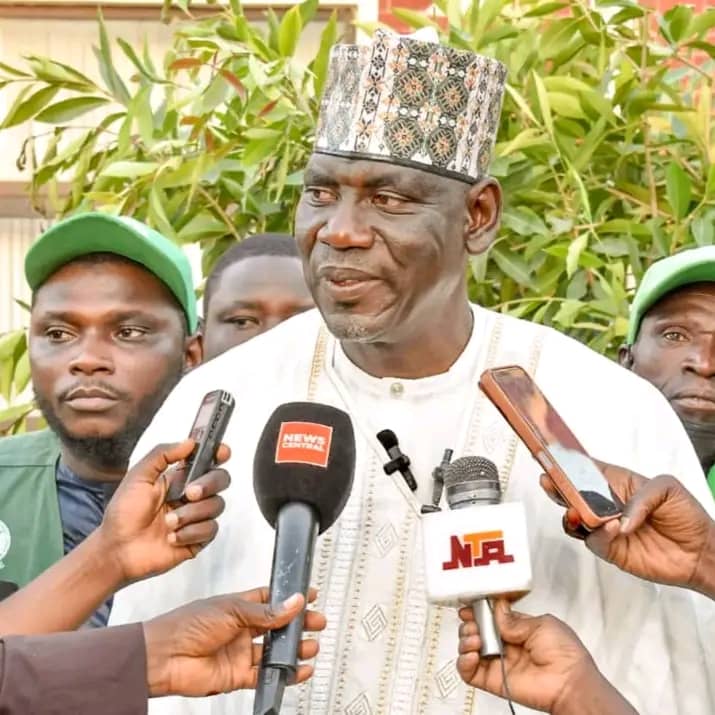
In a bold step to combat desertification, Amb. Usman Aliyu MNE, Director-General of the Borno State Agency for the Great Green Wall, has extended the agency’s afforestation efforts to Maguganari Bypass, Muhammad Indimi Road (Formerly Damboa Road) in Maiduguri.
The initiative is part of the agency’s ongoing commitment to environmental restoration and sustainability, ensuring that key areas in Borno State receive much-needed green coverage.
The afforestation project aims to curb desert encroachment, improve air quality, and restore degraded lands.
Speaking on the expansion of the tree-planting campaign, Amb. Usman Aliyu reaffirmed his commitment to climate action, declaring, “There is no weekend in climate action.”
His dedication underscores the urgency of addressing environmental challenges beyond conventional workdays.
The afforestation drive is expected to enhance Maiduguri’s landscape while providing long-term ecological benefits such as shade, improved soil fertility, and reduced erosion. It also aligns with Borno State’s broader environmental policies to promote sustainability and climate resilience.
Local communities and environmental stakeholders have welcomed the initiative, emphasizing its importance in tackling the harsh climatic conditions in Northeast Nigeria. 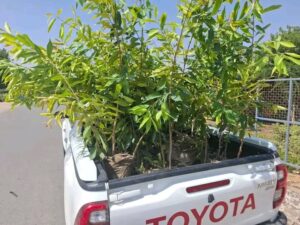

By spearheading green initiatives across key urban roads, Amb. Usman Aliyu and his agency demonstrate unwavering leadership in environmental conservation, proving that sustainability is more than a policy—it is a mission that demands relentless action.
“The Borno State Agency for the Great Green Wall remains committed to ensuring no corner of the state is left behind in the fight against environmental degradation, reinforcing Borno’s position as a leader in afforestation efforts across the Northeast”. DG concluded
In a related development, residents of Borno State have been urged to take full ownership of the trees being planted across communities.
The appeal comes amid ongoing efforts by environmental groups, government agencies, and volunteers to restore the region’s greenery and combat the adverse effects of climate change.
Speaking on the importance of sustaining these afforestation projects, environmental advocates emphasized that the success of tree planting efforts depends largely on the collective commitment of the people.
“Planting trees is only the first step; ensuring they survive and grow to maturity is the real task,” said a volunteer coordinator in Maiduguri.
“Everyone stands to benefit from a greener environment, including improved air quality, reduced temperatures, and protection against wind erosion.”
Director-General of the Borno State Agency for the Great Green Wall, Ambassador Usman Aliyu, also reiterated the need for public participation in preserving newly planted trees. 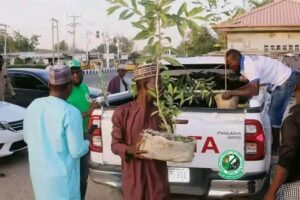

“Our goal is to combat desert encroachment and improve the livelihoods of our people. We urge every resident to see these trees as a vital resource that must be nurtured,” Amb. Aliyu stated.
The call for community ownership is particularly crucial in Borno, where years of deforestation due to firewood collection, urban expansion, and insecurity have led to severe environmental challenges.
Experts warn that without adequate tree cover, the state remains vulnerable to rising temperatures, declining soil fertility, and desert encroachment, which threaten livelihoods, agriculture, and overall well-being.
Residents have been encouraged to actively participate in nurturing newly planted trees by watering them, preventing animals from damaging them, and discouraging indiscriminate felling of trees.
“We must all see these trees as our collective responsibility,” said a Maiduguri-based environmentalist, saying, “If we take care of them today, they will take care of us tomorrow.”
The initiative aligns with broader global and national efforts to promote afforestation and climate resilience.
Governments at all levels have been rolling out policies aimed at increasing forest cover, but experts stress that policy alone is not enough without active citizen involvement.
“A single tree can provide shade, oxygen, and even economic benefits in the long run. Imagine what an entire community of trees can do for Borno,” another advocate noted. 

A youth leader in Jere expressed optimism about the initiative: “We have decided to adopt trees in our street. Each household takes turns watering them. We believe this will make a big difference in the long run.”
However, challenges remain. The harsh climate, limited access to water, and occasional neglect pose significant threats to the sustainability of these trees. This is why experts are advocating for continuous public awareness, government support, and incentives to encourage participation. “It’s not just about planting trees; it’s about ensuring they thrive,” said a forestry officer in Borno.
As efforts continue, the message remains clear: tree planting is a shared responsibility. Every resident has a role to play in making Borno greener and more resilient. By taking ownership of this initiative, communities can secure a healthier and more sustainable future for generations to come.


