


Conflict, Economic Hardship Push Malnutrition Cases Up 18% In North-East — ICRC
By Ali Mohammed Zanna, Maiduguri
The International Committee of the Red Cross (ICRC) has raised concerns over the growing malnutrition crisis in north-east Nigeria, following an 18 per cent increase in cases recorded at health facilities it supports between January and September 2026.
The organisation said nearly 20,000 malnutrition cases were recorded at six health centres and four hospitals during the period, compared with about 17,000 cases in the corresponding nine months of 2025.
Children, pregnant women and breastfeeding mothers remain the most vulnerable to the worsening situation, which the ICRC attributed to the combined effects of armed conflict, climate shocks and economic pressures.
In Mubi, Adamawa State, malnutrition admissions increased by nearly 24 per cent, rising from approximately 4,600 cases in the first nine months of 2025 to about 5,700 during the same period this year.
The situation reflects the difficulties faced by families struggling to secure adequate food amid insecurity and declining livelihood opportunities.
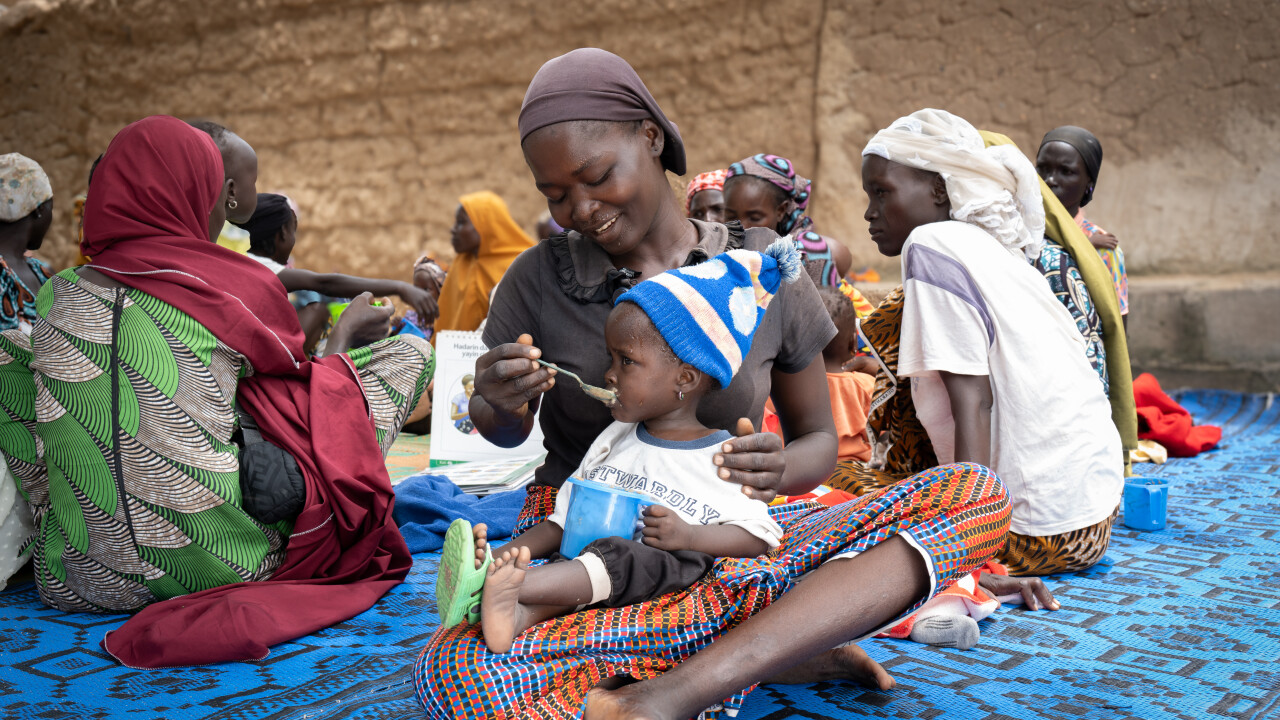
At the Mubi Stabilization Centre, mothers bring their children for nutritional assessments and food support. One of them, Zulaihatu Mohammed, expressed concern over the health of her six-month-old twin daughter, Huseina, who she said had been unwell since birth.
“I came today for the routine collection of children’s food. She is not feeling well. Since I gave birth to her, she has been unwell,” Zulaihatu said.
The ICRC explained that insecurity has significantly affected agricultural activities in the region, forcing many farmers to abandon distant farmlands for fear of encountering explosive devices.
A farmer, Saminu Samiyu Ijaduwa, said he had been compelled to cultivate a small plot near his residence because of the dangers associated with travelling to more distant fields.
“Due to the conflict, going one kilometre out of town to farm could be highly risky. You might not return!” he said.
According to the organisation, restrictions on farming activities and disruptions to markets have further reduced families’ access to food, worsening the nutritional conditions of vulnerable groups.
To mitigate the crisis, the ICRC, in collaboration with the Nigerian Red Cross, supports 15 primary healthcare centres and four hospitals, while assisting more than 200 communities with malnutrition treatment and food-security programmes.
The interventions include distributing seeds that can withstand drought and flooding, encouraging farmers to grow different crops and training mothers to prepare nutritious meals using locally available ingredients.
One of the initiatives involves Tom Brown, a nutritional mixture made from sorghum, millet, soybeans, groundnuts and moringa.
The ICRC said the locally prepared food blend had helped more than 13,000 children recover from moderate acute malnutrition, while mothers were being trained to prepare it at home to sustain their children’s nutritional needs.
The warning comes as Nigeria faces mounting food-security challenges. According to United Nations analysis cited by the ICRC, more than 34 million Nigerians are expected to lack sufficient food to feed their families in 2026, the highest projected figure in six years.
Nigeria was also listed among the world’s hunger hotspots of highest concern, alongside Sudan, Yemen, Somalia and Gaza.
The ICRC stressed the importance of continued support for healthcare services, nutrition programmes and agricultural livelihoods to help vulnerable communities cope with the deepening crisis.


