


By Uzair Adam
The European Union (EU) is rolling out a comprehensive strategy aimed at reducing the impact of climate change on Nigeria’s cocoa industry and strengthening environmental protection, according to Massimo De Luca, Head of Cooperation for the EU Delegation to Nigeria and ECOWAS.
In Abuja, stakeholders recently reviewed an EU-funded report assessing Nigeria’s cocoa and other value chains’ readiness to meet the EU’s Deforestation Regulation requirements, which took effect on June 29, 2023.
This regulation seeks to reduce deforestation caused by products imported into the EU, limit biodiversity loss, curb greenhouse gas emissions, and protect human and indigenous rights.
As Nigeria supplies approximately 67% of its cocoa exports to the EU, alignment with these standards is critical for the country’s cocoa industry.
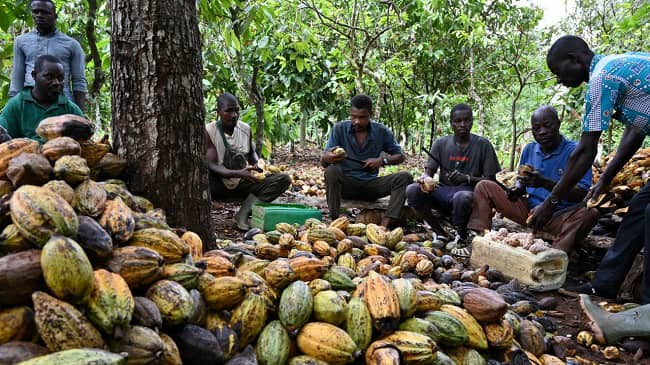
“Cocoa production frequently involves deforestation as farmers clear large forested areas. The Deforestation Regulation plays an essential role in deterring this practice, and the EU aims to support local farmers in adopting sustainable agricultural methods,” De Luca said.
The workshop also introduced the EU Corporate Sustainability Due Diligence Directive (CS3D), which requires companies to minimize environmental and social harm across supply chains.
De Luca highlighted that companies must address issues like water usage and child labor, ensuring compliance with both local and international standards.
Senator Abubakar Kyari, Nigeria’s Minister of Agriculture and Food Security, welcomed the EU’s collaboration with Nigeria’s Federal Ministry of Agriculture and Food Security.
Representing the minister, Deputy Director of Cocoa and National Cocoa Management Committee member, Ajayi Olutobaba stressed the importance of due diligence in securing deforestation-free cocoa value chains and noted the creation of a National Taskforce on EUDR to coordinate the nation’s compliance efforts.
Javier Sánchez, head of the EU-commissioned study, acknowledged the potential initial challenges for producers in meeting the EUDR requirements but emphasized the longer-term benefits.
“The EUDR offers Nigeria a pathway to improve environmental sustainability, build resilient value chains, and enhance regulatory adherence within the cocoa sector,” Sánchez said, noting that EU importers will increasingly demand transparency from cooperatives and intermediaries to verify product origins.


