


The Chairman of Dawanau International Grains Market Traders Association (DIGMATA), Alh. Muttaka Isa lauds president Bola Ahmed Tinubu’s resolve to reopen Nigeria-Niger borders, saying the decision is timely and commendable.
Alh. Muttaka who was ostensibly happy with the development, made this known while fielding questions from Wind-Flow reporter.
Dawanau, situated in northwestern State of Kano has been a major supplier to largely countries in Sub Saharan Africa.
Another member of the association and major supplier, Alh. Munzali Idris, opined that the decision would remarkably increase GDP of Nigeria and Niger, as the volume of trade would unarguably increase.
Alh. Munzali averred that “In less than 48 hours of the directives of Mr. President, things turned to be different in the whole market. Heavy trucks were seen loaded with grains mainly millet and sorghum for onward distribution to neighbouring Nigerien towns and beyond.
“This, within no distance time would increase wealth distribution among the people at lower strata, thereby reducing the pains of current economic challenges”. He said.
In his remarks, another member and CEO of Nazir Multi-Trade Ventures Ltd. Alh. Naziru Abdurrahman Idris said “The decision to reopen border with Niger is a welcome development; though it has advantage and disadvantage, but the advantage is more prominent. The government blames border porosity for proliferation of firearms, but since the closure of the borders banditry and terrorism continued unabated. Therefore, the government should devise means of fire arms proliferation and dislodge bandits rather than option of border closure.
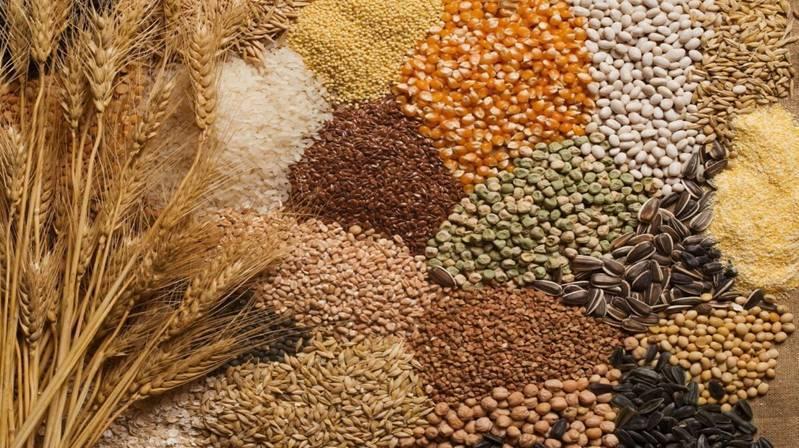
“Dawanau market is considered as a melting pot for grains especially millet, sorghum and beans. Buyers and sellers converge in multitudes to strike heavy deals, but with border closure the distribution chain got paralyzed and the distributors count great losses and many of them went bankrupt”. Naziru added
Dawanau market, which deals with both cash and food crops, has been serving the grain needs of the state, nation and neighbouring Sub Saharan African countries
The decision may not be unconnected with the president Tinubu’s commitment to ease the current serial hardships being faced by the people of Nigeria since the removal of fuel subsidy in May last year.
Recall that the Nigeria-Niger borders were officially being closed since August last year, when West African leaders imposed sanctions on Niger following a military coup that overthrew President Mohamed Bazoum.
The closure has taken a heavy toll on both sides of Nigeria and Niger, the two countries with comparative advantage in production of different cereal crops.
In Nigeria, it has sharpened the effects of economic crisis and exposed already vulnerable communities along border lines to an increase in violent crime.
Locals say they have been struck by a double catastrophe, with food prices soaring since the border closure as well as reforms brought in by Nigeria’s new president which have plunged the country into a wider economic crisis.


