


By Uzair Adam
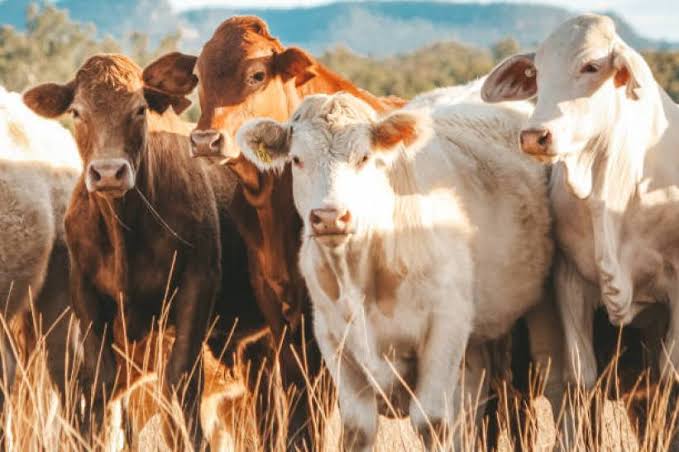
The Livestock Productivity and Resilience Support Project (L-PRES) has trained 200 artificial insemination technicians in Kano State to enhance livestock breeding and boost productivity across local communities.
The three-day training workshop that began on Thursday, aimed at strengthening the capacity of technicians in artificial insemination, reproductive health, and animal management—key areas identified for modernizing the livestock sector.

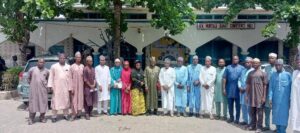
Welcoming participants, the Kano State Project Coordinator of L-PRES, Dr. Salisu Muhammad Inuwa, described the training as timely, noting that it addresses pressing challenges such as poor genetic performance in livestock.
“I congratulate the participants on this opportunity and urge them to take this assignment seriously. Livestock production is a key driver of our economy and a vital source of livelihood for many families in Kano State,” he said.
Dr. Inuwa highlighted L-PRES’s broader mission to improve productivity, commercialization, and resilience in livestock systems across Nigeria, with artificial insemination playing a central role.
Speaking at the event, Dr. Sulaiman Musa of the Ministry of Agriculture and Natural Resources stressed the need to improve the genetic quality of animals.
He noted that while indigenous cows produce just 1.5 to 2 liters of milk daily, improved breeds can yield up to 20 liters through artificial insemination.
“One of the setbacks we face is the absence of trained technicians in local communities. This training is addressing that gap by equipping foot soldiers who can serve their areas effectively,” Dr. Musa added.
Abubakar Muhammad Kabiru, an Animal Husbandry Officer with L-PRES, described artificial insemination as a biotechnology technique that introduces semen from high-quality male animals into females to boost meat and milk production.
He also expressed satisfaction with the turnout, stating that interest surpassed the 200 participants officially invited.
Kabiru lauded the Kano State Government under Governor Abba Kabir Yusuf for its support of livestock capacity-building programs and encouraged trainees to provide quality services in their communities.
The training covered essential topics including spermatozoa collection and preservation, female reproductive anatomy, pregnancy detection, delivery, and postpartum management, with hands-on sessions conducted at the Kadawa Artificial Insemination Centre.
The initiative is expected to bolster technical expertise, increase livestock productivity, and contribute to sustainable development in the state’s agricultural sector.


