


Muhuyi, Kano Assembly and The Drug Abuse Bill: Why Must Kano Repeat The Mistakes Of The Past?
By Tijjani Sarki
Kano cannot afford another abandoned legislative initiative while an entire generation struggles with the devastating consequences of drug and substance abuse.
The growing menace of drug and substance abuse in Kano State is a tragedy that should trouble every responsible citizen. Behind the statistics are young people losing their futures, parents watching helplessly as their children battle addiction, and families enduring emotional and economic hardship.
I welcome Governor Abba Kabir Yusuf’s decision to transmit the Kano State Substance Abuse Prohibition Bill, 2026, to the State House of Assembly. However, I must emphasise that this is not Kano’s first attempt to address the menace through legislation.
I recall the earlier initiatives associated with Hon. A.A. Minjibir and subsequent engagements involving civil society organisations. I personally participated in the advocacy process, including the technical committee engagement inaugurated at the Kano State House of Assembly. Our objective was to develop a comprehensive legislative response to a growing social crisis.
The 2019 Drugs and Substance Abuse Management Bill attracted further stakeholder engagement. In 2023, the Savannah Centre for Diplomacy, Democracy and Development, Mercy Corps Nigeria and other civil society organisations supported renewed efforts to advance a revised bill, which reportedly passed first reading. Yet, these efforts did not culminate in the comprehensive legislation Kano urgently needed.
This history raises uncomfortable questions. Why did previous initiatives lose momentum? Was it inadequate political commitment, institutional disagreements, insufficient funding or weak coordination? I cannot attribute these setbacks to any individual without verifiable evidence. Nevertheless, the repeated failure to translate legislative commitments into lasting action demands serious institutional reflection.
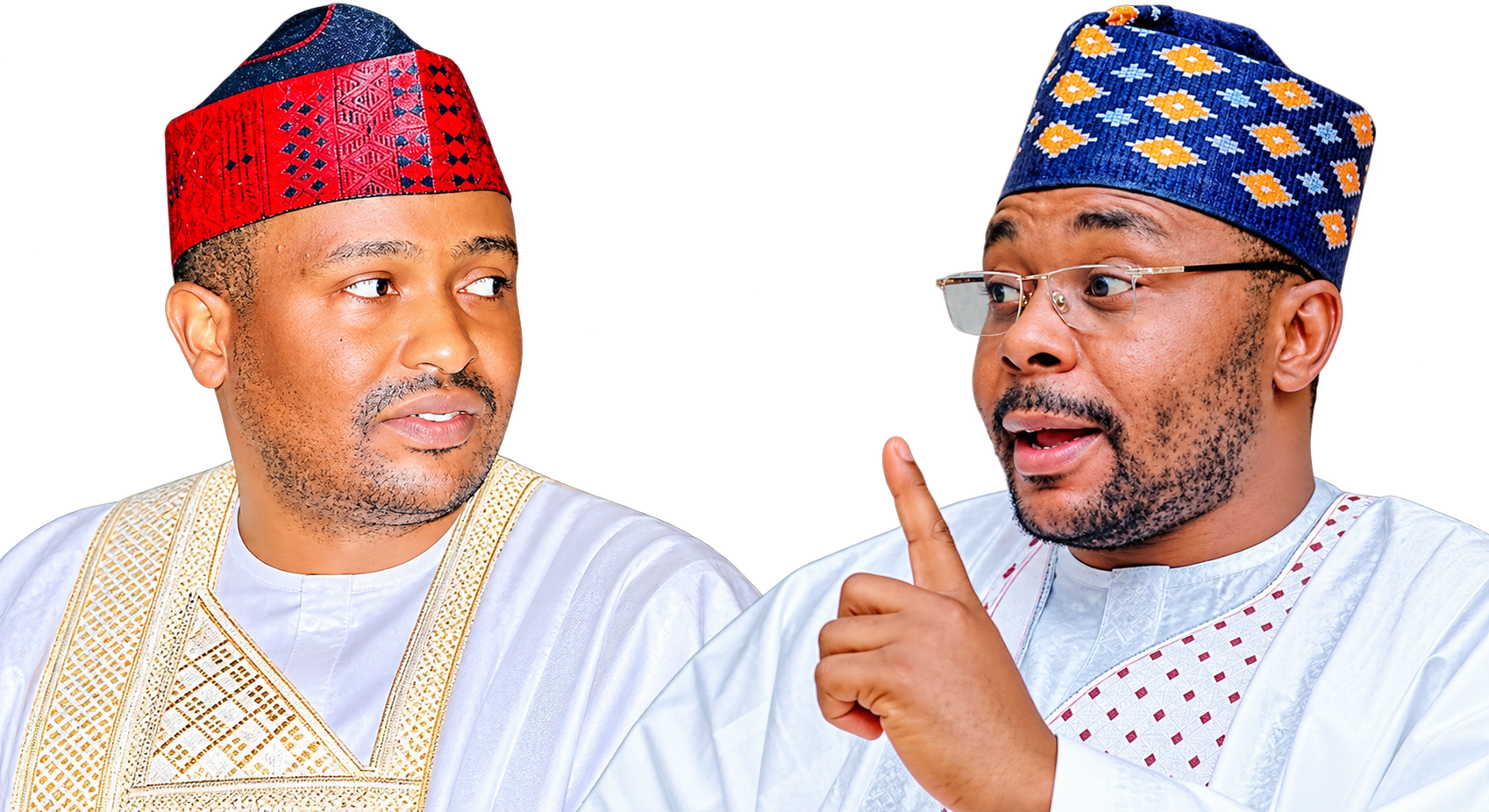
It is against this background that I find the recent disagreement involving Barr. Muhuyi Magaji Rimingado, Chairman of the State Multi-Agency Taskforce on Drug Abuse and Illicit Trafficking, and the State Assembly particularly concerning.
I understand Muhuyi’s frustration and recognise the urgency of his campaign. However, public statements suggesting that institutional disagreements could frustrate the bill risk creating unnecessary suspicion about the Assembly’s intentions. Equally, the Assembly must appreciate that assurances alone cannot restore public confidence after previous legislative initiatives failed to produce results.
I therefore believe the House owes Kano residents more than an explanation of its legislative procedures. It owes them visible commitment, a clear timetable and the political determination to ensure that this bill does not suffer the fate of its predecessors.
Kano cannot arrest its way out of a drug crisis.
The proposed law must address prevention, rehabilitation, treatment, reintegration, sustainable funding and institutional accountability. It must distinguish between victims of addiction who require medical and psychosocial support and those who profit from trafficking and unlawful distribution. NDLEA, health professionals, educational institutions, traditional rulers, religious leaders and civil society organisations must have clearly defined responsibilities.
My concern is that another promising initiative could eventually become another forgotten legislative document. I refuse to accept that Kano lacks the expertise, institutions or capable people to confront this challenge. What is required is consistency, political will and accountability.
I urge Barr. Muhuyi to sustain his advocacy through constructive institutional engagement, while calling on the Assembly to demonstrate that the present bill will receive the attention it deserves.
Our young people are not expendable. Their lives must not become casualties of institutional rivalries, abandoned policies or repeated legislative disappointments.
Let this be the generation in which Kano finally moves from repeated promises to lasting action. The Assembly must act, the government must provide resources, and society must take responsibility. Another failed attempt is a price our children cannot afford.
Tijjani Sarki, is a Vice President, Human Right Watch and Youth Empowerment Foundation
responsivecitizensinitiative@gmail.com


