


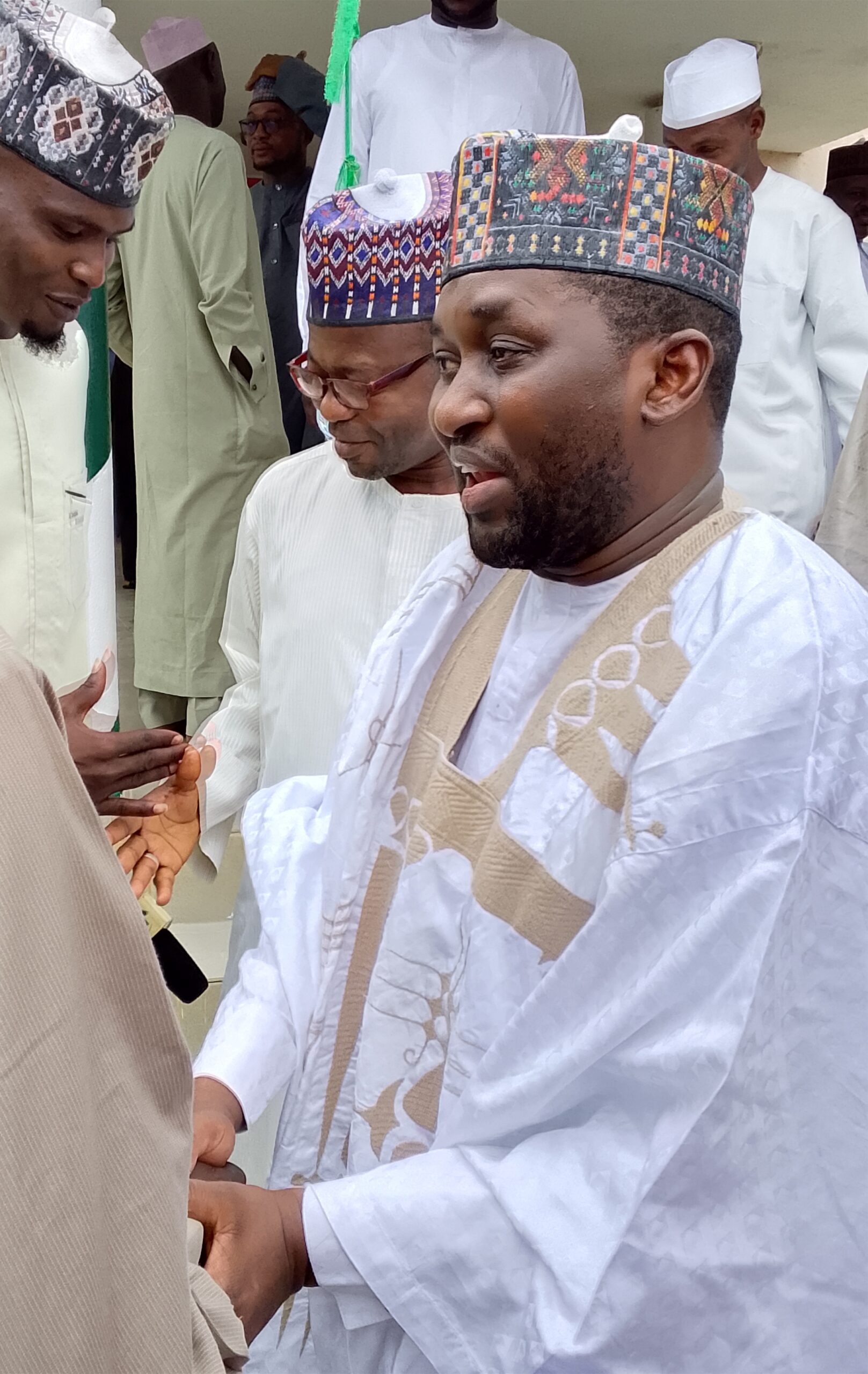
Nigeria Has Agricultural Technologies, Farmers Need Them At Right Time – Namadi
Nigeria’s agricultural challenge is no longer simply about developing new technologies but ensuring that existing innovations reach farmers at the right time, in the right form and at a cost they can afford, Governor Umar A. Namadi of Jigawa State has said.
Namadi made the observation on Monday while declaring open a national training workshop for extension master-trainers focusing on maize, rice and wheat in Dutse. He was represented by the Director-General of the Jigawa Agricultural Transformation Agency, Dr Saifullahi Umar.
The Governor said Nigeria already had access to improved maize hybrids, high-yielding and stress-tolerant rice and wheat varieties, climate information, better soil-health practices, mechanisation options, improved irrigation and modern pest-management techniques.
“What is missing,” he argued, is the ability to consistently move these innovations from research centres and technology platforms into farmers’ fields and support farmers to adopt them profitably.
Namadi warned that weaknesses in the agricultural extension system have real consequences for farming communities, translating into late planting, inappropriate use of inputs, avoidable crop losses, low yields, poor market participation and declining farm incomes.
He therefore challenged the 100 extension master-trainers attending the Dutse workshop to see their role as much bigger than simply delivering agricultural messages.
According to him, the extension worker of the future must become a facilitator of innovation, interpreter of climate and market information, farm-business coach and link between farmers, finance providers, input suppliers, researchers and markets.
The Governor said Jigawa was already working towards such a transformation by developing a pluralistic extension system involving government agencies, research institutions, universities, private extension providers, farmer organisations, input companies, financial institutions and commodity associations.
He called for a shift from one-way extension messaging to participatory learning through demonstration farms, farmer field schools, innovation platforms and peer learning, while urging extension managers to measure success by actual farmer reach, technology adoption, productivity, income and resilience.
Namadi also emphasised the role of digital agriculture, saying farmer registries, geospatial mapping, mobile advisory platforms, GIS and remote sensing could significantly improve the speed and precision of agricultural services.
However, he cautioned that technology must serve people rather than replace them, insisting that digital platforms should complement trusted human interaction, field demonstrations and local-language communication.
The Governor said the 100 master-trainers should see the five-day workshop as the beginning of a 12-month cascade process expected to strengthen frontline extension workers and ultimately reach at least 500,000 farmers.
“A certificate records participation; impact is recorded in changed practice, higher productivity, greater resilience and improved livelihoods,” Namadi said, challenging participants to ensure that the knowledge gained in Dutse travels far beyond the training hall.


