


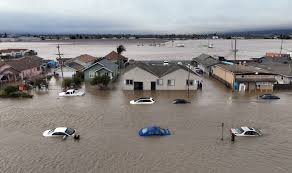
NIHSА Raises Alarm As High Flood Risk Hits 33 States, Urges Immediate Evacuation Floodplains
The Nigeria Hydrological Services Agency (NIHSA) has warned of a high risk of riverine flooding across 33 states in the country, urging residents, livestock owners and communities in flood-prone areas to move to safer and higher ground immediately.
In its National Flood Advisory, Alert No. NFA-2026-231, issued on August 19, 2026, NIHSA said the warning would remain in effect from August 19 to 25, with rising river levels expected to cause flooding in several communities.
According to the advisory, a total of 92 river stations across the affected states are at risk, underscoring the need for communities and relevant authorities to intensify preparedness and early-warning measures.
Among the states specifically highlighted are Kaduna, Niger, Nasarawa, Delta, Cross River and Imo, while 27 other states are also affected by varying degrees of flood risk.
NIHSA identified key monitoring stations including Katsina Ala on the Katsina Ala River, Dadin Kowa on the Gombe-Biu Bridge along the Gongola River, and Sokoto on the Rima River.
The agency warned that communities located along floodplains should prepare for possible evacuation, stressing the importance of taking preventive measures before floodwaters rise.
It advised residents to move people, livestock and valuables from floodplains to pre-identified higher ground without delay.
NIHSA also called for the mobilisation of community early-warning volunteers and urged residents to monitor its daily bulletins for updates on river levels and changing flood conditions.
As part of the recommended measures, the agency urged authorities and communities to pre-position relief materials, water-treatment supplies and first-aid items, while identifying and preparing safe shelters for possible emergencies.
Residents were further cautioned against crossing flooded roads, bridges or fast-moving water on foot or by vehicle. Communities were also advised to clear drainage channels and river-mouth blockages and avoid building or living in flood-prone areas.
The agency stressed that the advisory was based on current hydrological and meteorological data and that conditions could change, making continuous monitoring and prompt response critical.
The latest warning highlights the need for coordinated action by governments, emergency agencies, traditional institutions and communities to reduce the potential loss of lives and property as the country faces heightened flood risks.


