


By Ali Mohammed, Zanna. Maiduguri
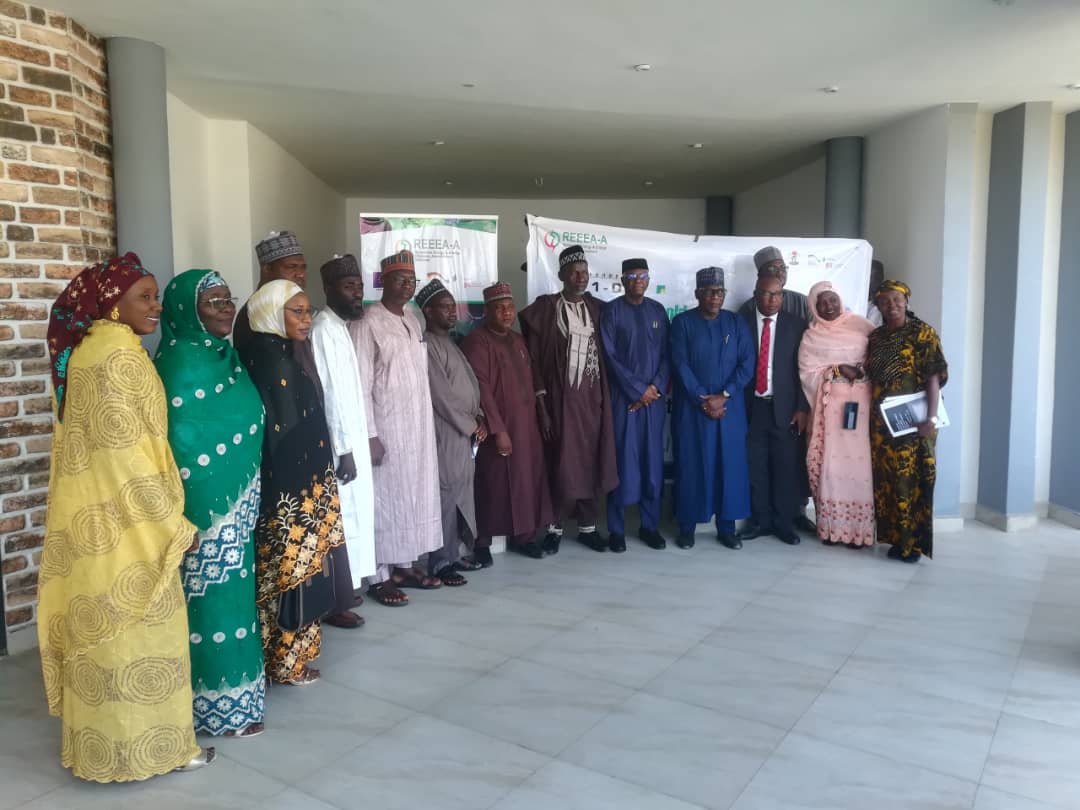
Representatives from six Northeastern states convened in Maiduguri on Tuesday for a one-day Zonal Stakeholders Advocacy Engagement on the Electricity Act 2003.
The event, organized by the Nigerian Renewable Energy and Energy Efficiency Association Alliance (REEEA-A) at the City Star Hotel, brought together delegates from Borno, Adamawa, Yobe, Gombe, Taraba, and Bauchi states to discuss harnessing natural resources for renewable energy solutions.
Experts highlighted the region’s potential in hydro, sand, and wind resources to provide independent power supply and address climate change concerns.
Dr. Immamudeen Talba C, chairman of the Electricity Act Committee, emphasized the need to sensitize states on the act’s objectives and guide them in establishing their electricity markets and regulatory institutions.
A key focus was demonstrating how to access renewable energy resources within each state as a crucial tool in combating climate change and meeting electricity demands.
Talba urged the Northeast Governors Forum to review the Electricity Act 2003, enabling them to take charge of electricity activities within their respective states.
He noted that around 12 states have already been granted autonomy in this area, establishing regulatory agencies, reviewing existing laws, and developing electricity markets. He also lamented the lack of similar progress in the northern states.
Talba further called on the Northeastern governors to take over the rehabilitation of the long-delayed Mambila hydroelectric project in Taraba State.
“If the federal government doesn’t have the funding, the northeastern states should take over,” he suggested.
He proposed a joint incorporated company to manage the project, seeking international funding to generate 1,000 megawatts, with 500 megawatts dedicated to the Northeast and the remainder sold to neighbouring countries like Chad, Niger, and Cameroon.
Participants and state representatives expressed their appreciation for the REEEA-A’s initiative and emphasized the need for increased government investment in renewable energy solutions.
Mohammed Bukar El Sadiq, Permanent Secretary of the Borno State Ministry of Transport and Energy, said, “We have had robust deliberations and review of the 2003 act. If this act is implemented, the states will have an independent electricity power supply.”
He also noted that while the government currently provides power equipment, it is not benefiting from the revenue generated.
Other representatives from the Northeastern states echoed the call for embracing the 2003 Electricity Act and prioritizing renewable energy as a key solution to the region’s power challenges.
In a closing remarks, Barr. Halima Isa Ibrahim, a prominent legal practitioner and advocate for sustainable development, commended the collaborative efforts of the states. She emphasized the importance of unity in addressing the region’s energy challenges and urged stakeholders to implement the strategies discussed to achieve energy independence and environmental sustainability.
Following the event, delegates paid a courtesy visit to the Shehu of Borno, Alhaji Dr. Abubakar Ibn Umar Garbai Al-Amin El-Kanemi, seeking his blessings for the success of their initiatives.
The Shehu, known for his support of developmental projects in the region, offered his prayers and encouragement, underscoring the significance of traditional leadership in fostering progress.


