


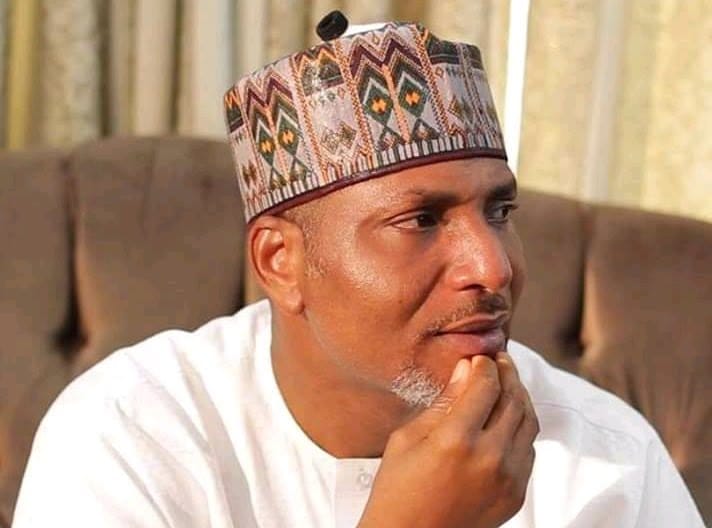
By Uzair Adam
Senator Saliu Mustapha, Chairman of the Senate Committee on Agriculture and Rural Development, has advocated for the introduction of compulsory hands-on agricultural studies at the secondary school level.
He made this appeal during a public lecture organized by the Department of Agricultural Extension and Rural Development at the University of Ilorin.
Senator Mustapha emphasized the importance of practical agricultural education from early age, aiming to transform the perception of farming from mere subsistence to a viable profession.
He was qouted as saying, “We need to get serious about agriculture if we are to feed our growing population and reduce our over-reliance on imports.
“Making agriculture a compulsory and practical subject in secondary schools is a critical step in that direction,” he stated.
The senator expressed concern about the declining interest in agriculture among young Nigerians, especially youths, linking it to outdated views of farming as labor-intensive and unrewarding.
He argued that introducing students to modern, technology-driven agriculture—such as mechanized farming, agribusiness, and sustainable practices—could rekindle interest in the sector.
“Countries like Israel and India have demonstrated how a strong emphasis on agricultural education can transform their food production capabilities. Nigeria must follow suit by ensuring that every child learns not only the theory of farming but also its practical aspects,” he added.
Senator Mustapha further highlighted that mandatory agricultural studies could help combat rising unemployment by equipping youth with skills to explore opportunities in farming, agribusiness, and related industries.
He advocated for an agrarian-focused curriculum that would produce problem-solvers capable of significantly contributing to reducing the nation’s food import bill.
“Beyond feeding ourselves, we must see agriculture as a business. Agriculture should not merely be about producing food for the table; it should be viewed as a business model that can generate wealth for millions of Nigerians,” he asserted.
He urged stakeholders in education, agriculture, and policymaking should collaborate to implement these ideas effectively. While praising the Federal Ministry of Education for revising the curriculum, he warned that policies must translate into action.
“There has been enough talks. What we need now are concrete actions, which include ensuring schools are equipped with the necessary facilities—farms, greenhouses, and modern farming tools—to make hands-on agricultural education a reality,” he concluded.


