


When Nature Says Nothing Is Waste: Lessons For a Cleaner World
Nature has a remarkable way of turning what appears to be waste into something useful. In forests, fields and wetlands, nothing simply disappears. Fallen leaves become nutrients for the soil, dead trees provide shelter for wildlife, and organic remains return to the earth to support new life. The natural world operates on a simple principle: what is waste to one organism can be a resource for another.
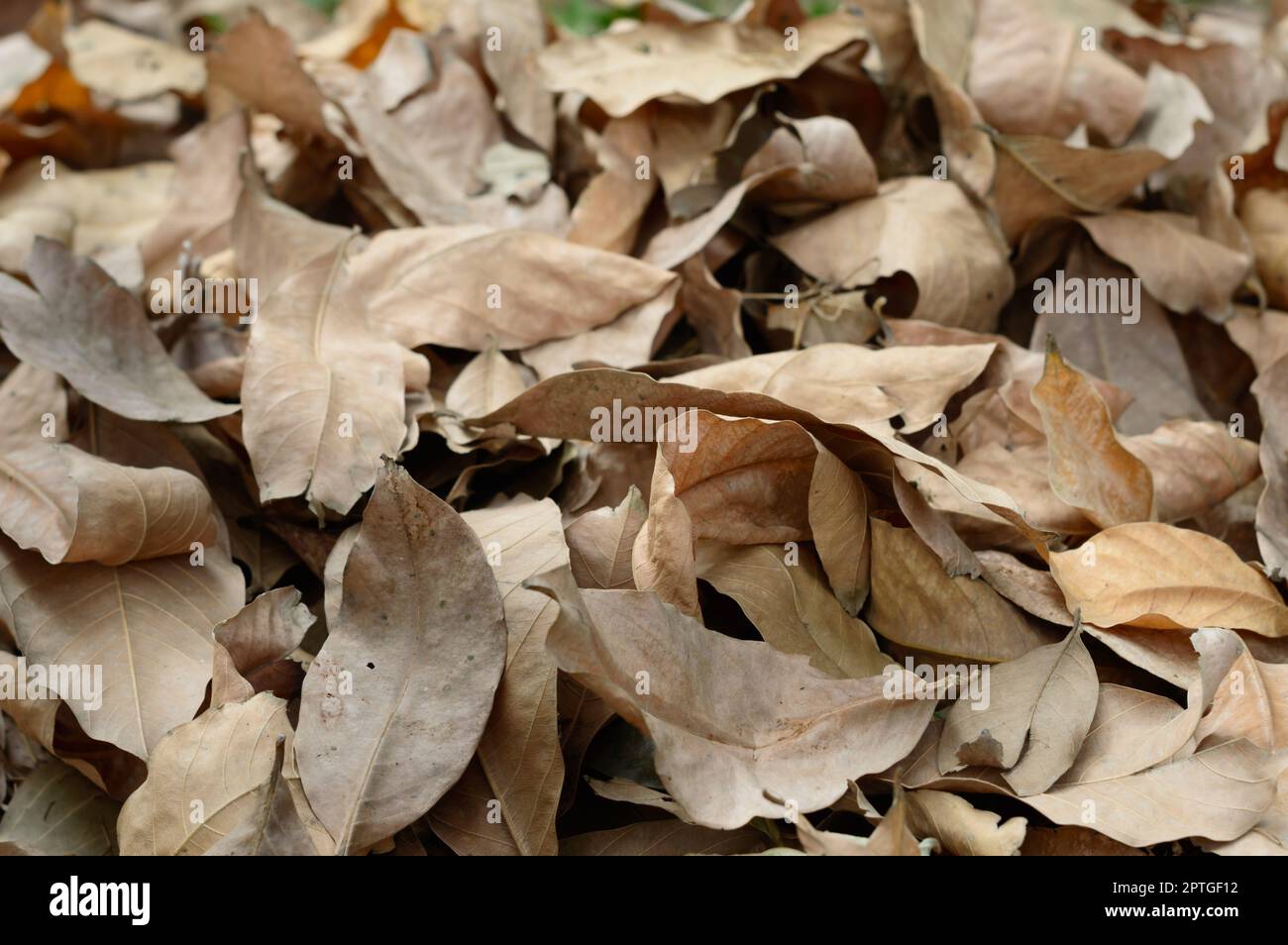
Consider the humble fallen leaf. Once it drops from a tree, its journey does not end. Microorganisms, insects and worms break it down, releasing nutrients that enrich the soil and help new plants grow. What may look like rubbish on the ground is, in reality, part of nature’s recycling system.
The same process can be seen in animal droppings. Far from being useless waste, they contain nutrients that plants need. As they decompose, they improve soil fertility and support vegetation, which in turn provides food and shelter for animals. It is a continuous cycle in which waste becomes nourishment and nourishment sustains life.
Even overripe fruits have a purpose. Instead of being discarded, they become food for insects, birds and other animals. Their remains eventually return nutrients to the soil. Dead trees, too, continue to serve a purpose long after they have fallen. They become homes for fungi, insects, birds and other forest creatures while gradually decomposing and contributing organic matter to the ecosystem.
Deep beneath the soil, worms perform another important service. They consume organic scraps and transform them into nutrient-rich compost. Their activity improves soil structure and helps create the conditions necessary for healthy plant growth. In nature, there is no landfill—only a continuous cycle of use, transformation and renewal.
Human societies, however, have created systems in which enormous quantities of potentially useful materials are thrown away. Plastic, food waste, paper, electronic waste and other discarded materials accumulate in streets, drainage channels, landfills, rivers and oceans. Poor waste management can pollute land and water, degrade ecosystems and contribute to air pollution and greenhouse gas emissions.
The contrast is striking. While nature continually recycles its resources, humans often follow a linear pattern: take, make, use and throw away. This approach is becoming increasingly difficult to sustain as populations grow, consumption increases and waste generation accelerates.
But nature offers us a powerful blueprint for change. Instead of treating waste as something with no value, societies can embrace practices such as recycling, composting, reuse, repair and resource recovery. Food scraps can become compost; agricultural residues can be converted into useful products; and materials that would otherwise end up in dumpsites can be recovered and given a second life.
Businesses, households, communities and governments all have a role to play. Better waste collection and sorting, public awareness, responsible consumption and investment in recycling and circular-economy systems can help reduce the pressure that waste places on the environment.
The lesson from nature is clear: waste is often a resource waiting for the right system to unlock its value. If a fallen leaf can become soil, a dead tree can become shelter and food scraps can become compost, then perhaps our own waste should not be regarded simply as something to throw away.
Nature does not waste. It transforms.
Humanity can do the same.
The challenge before us is to move from a culture of disposal to a culture of recovery, where materials are valued, resources are conserved and what we once called waste becomes part of a new cycle of life.


