


WHO Seeks Stronger HIV Response, Warns Against Barriers to Treatment in Africa
By Ali Mohammed Zanna, Maiduguri
The World Health Organization (WHO) has urged African countries to intensify efforts towards eliminating barriers to HIV prevention, testing and treatment, warning that millions of people could remain at risk if access to essential healthcare services is not improved.
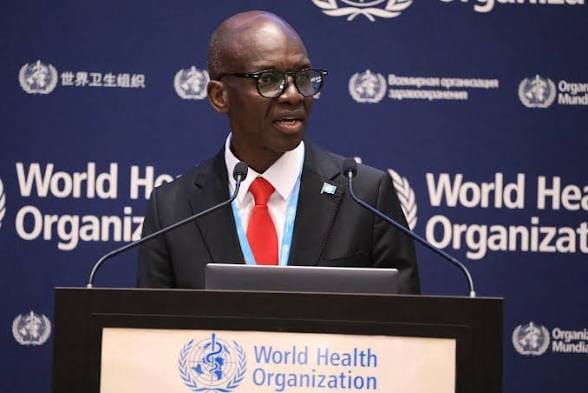
The WHO Regional Director for Africa, Dr Mohamed Janabi, made the call in a message commemorating the 2026 World AIDS Day, scheduled for December 1, under the theme, “Ending AIDS Starts with Access.”
Janabi said the African Region had made considerable progress in tackling the HIV epidemic through improved healthcare delivery, scientific innovation and stronger community involvement.
He disclosed that approximately 26.3 million people were living with HIV across the region in 2026, with 21.7 million accessing antiretroviral treatment.
According to him, although the expansion of treatment services represents a major achievement, more efforts are needed to ensure that everyone can benefit from available prevention and treatment programmes.
He explained that access to HIV services goes beyond the availability of medicines, noting that individuals must also be able to undergo testing, receive timely treatment and obtain medical support without fear of discrimination.
The WHO official identified poverty, transportation expenses, distance to health facilities, medicine shortages, stigma, discriminatory laws and gender inequality as factors limiting access to HIV services in many communities.
He warned that these challenges could discourage people from seeking medical attention, leading to delayed diagnosis, interrupted treatment and increased risk of HIV transmission.
Janabi noted that several African countries were adopting innovative approaches, including community-based healthcare delivery, integration of HIV services into primary healthcare and preparations for the introduction of new prevention technologies.
He called for greater efforts to ensure that these services and innovations reach vulnerable populations at affordable costs.
As the global target of ending AIDS as a public health threat by 2030 approaches, Janabi urged governments to maintain adequate funding for HIV programmes and strengthen healthcare systems.
He also appealed to international partners to support countries in expanding prevention programmes, improving treatment coverage and reaching communities that continue to experience difficulties accessing healthcare.
The regional director stressed that people living with HIV should remain central to policy decisions and programme implementation, saying their experiences and contributions were vital to achieving sustainable results.
He called on governments, health workers, civil society organisations and communities to renew their commitment to the fight against HIV.
Janabi said ensuring that everyone could access prevention, diagnosis and treatment services would be critical to protecting lives and achieving the goal of ending AIDS as a public health threat.


