

By Abdulkadir Badsha Mukhtar
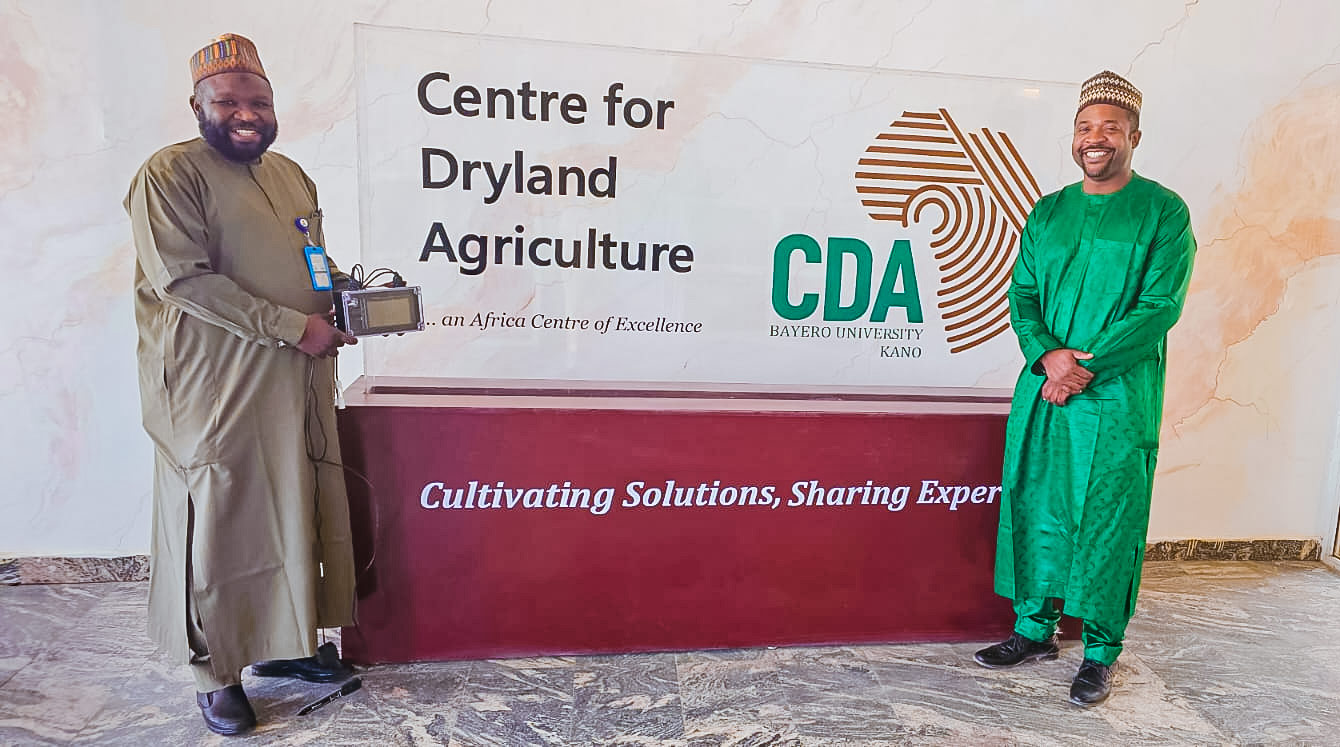
The Centre for Dryland Agriculture (CDA), Bayero University, Kano in collaboration with its Regional Agribusiness Innovation Hub (RAIHub), has concluded the Students Training and Employability Program (STEP) on Friday.
The training program was part of the centre’s effort to create a sustainable future and foster self-reliance among youth and women through various agribusiness initiatives.
A Statement signed by Nura Garba of Bayero University, Kano Public Affairs Division states that, Professor Jibrin Mohammed Jibrin, the Director of CDA, said the training was aimed to equip graduates and graduating students of agriculture with essential skills to enhance their employability.
“We initiated this program because many graduates from our institutions struggle to secure jobs, not because they lack agricultural knowledge or theoretical background but because they lack fundamental soft skills necessary to apply their training in the industry.” He said.
Dr. Adnan Aminu, the program’s coordinator, highlighted that STEP is designed for graduates and graduating students from faculties of agriculture and related disciplines.
He emphasized that the program goes beyond technical skills, incorporating leadership and entrepreneurship training.
Dr. Aminu also mentioned that a prior research study was conducted to understand the industry needs. The findings revealed that, many employers were dissatisfied with the employability of graduates, citing a significant gap in the quality of candidates.
He urged participants to fully engage with the training, emphasizing that first degree alone is insufficient in today’s competitive job market; requisite skills are essential for success.
Alhaji Sulaiman Ilu Dambazau, a philanthropist and industry leader, spoke on the role of youth employment in agriculture and national development in Nigeria.
He described agriculture as not only the backbone of Nigeria’s economy but also a vital avenue for addressing youth unemployment.
Dambazau outlined several challenges in youth agricultural employment, including access to land and resources, educational gaps, skills mismatches, market access issues, and negative perceptions.
He proposed strategies to tackle these challenges, such as land accessibility initiatives, innovative agricultural education, strengthened market linkages, promotion of agricultural entrepreneurship, and efforts to shift public perceptions.
He concluded by encouraging participants, stating that, “Your innovative ideas, energy, and resilience are instrumental in transforming our agricultural landscape and driving national development.”