

By Anwar Usman
In June, Nigeria’s inflation reached a 28-year high of 34.19 percent, causing hardship for many Nigerians. The situation escalated by a 40.87 percent increase in food inflation, which is attributed to insecurity in the country’s agricultural regions. As a result, many people are struggling to afford essential food items.
In a report by state of food security and nutrition in the world of the United Nations. The S 2024 indicated that about 172 million Nigerians or 78.7 per cent of the country’s population were unable to afford a healthy diet in 2022.
According to the report, as of 2022, a Nigerian, who could afford a healthy diet, would need about $3.83 per day to be able to do so.
This problem has forced many Nigerians change their meals, going for cheaper local food, such as cocoyam, soybeans, millet etc.
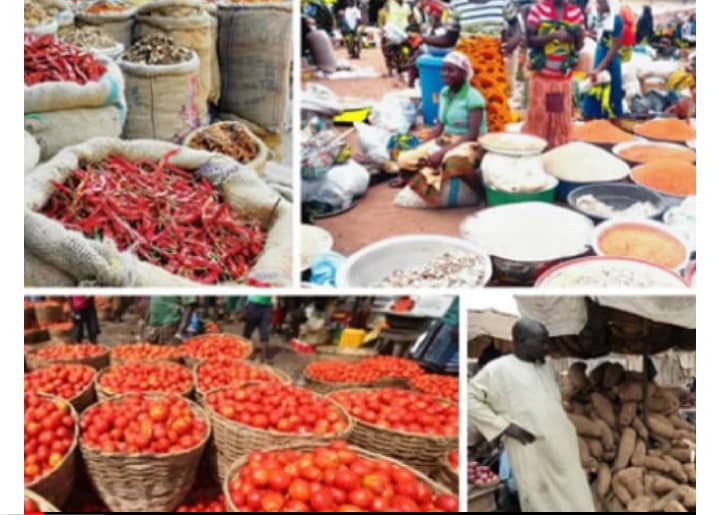
Cocoyam, known for its rich, nutty flavour and versatility, has become a preferred substitute for rice and gari. Vendors in bustling markets, such as Wuse and Utako in Abuja, now proudly display pyramids of cocoyam, as it enjoys more patronage due to its affordability and nutritional value.
Mrs Anne Ikechukwu, a mother of three said i used to buy rice and garri “But with prices skyrocketing, I had to find an alternative. Cocoa yam is not only cheaper but also more filling and nutritious. It has become a staple in our home.”
Ikechukwu’s sentiment reflects the experiences of numerous Nigerians who have had to change their diets. In her community, cocoa yam has replaced rice in various traditional dishes, serving as an ingredient in soups, stews, and even desserts. Its versatility in the kitchen has made it a favorite among families seeking to make their food budgets go further.
In addition to cocoa yam, another indigenous food gaining acceptance is soybean cake, a protein-rich food made from fermented soybeans. Once a niche product, soybean cake, called Awara, is now widely available on the streets of Abuja.
Mr John Opaluwah, a civil servant shared his experience, “I was sceptical at first, but Awara has become a staple in my household. It is not only delicious but also pocket-friendly. It is a great source of protein, especially since we cannot afford to buy meat”.
The inflation crisis has also occasion a shift away from expensive vegetables, like tomatoes. Once a staple in Nigerian cuisine, tomatoes have seen their prices triple in recent years, pushing many to seek alternatives.
A trader from the Bwari area of Abuja, Mrs Ashifa Ahmed, explained, “I used to buy a plate of tomatoes for N500, but now it costs over N1,500. Vegetables like spinach and bell peppers are not only cheaper but also add more flavour to my stew. I have found that these alternatives can enhance my dishes in new and interesting ways.”