

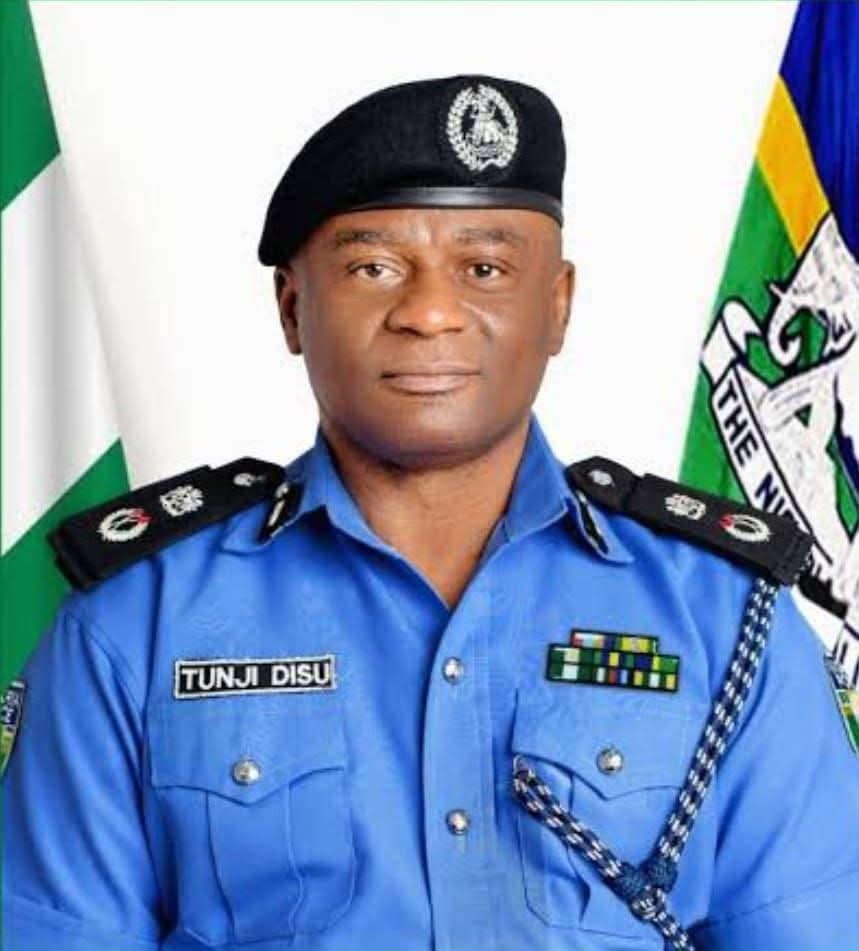
No Mass Disbandment: IGP Olatunji Disu Sets Record Straight, Orders Tactical Unit Overhaul
Nigeria’s police hierarchy has moved swiftly to douse rising tension over reports of a sweeping disbandment of tactical units nationwide, with the Inspector-General of Police, Olatunji Disu, branding the claim as a distortion of his directive.
The clarification, delivered through a statement by Force Public Relations Officer, Anthony Okon Placid, counters viral reports suggesting that all tactical squads across state commands had been scrapped on the IGP’s orders.
Instead, what is underway is a calculated restructuring—not a blanket shutdown.
According to the statement, the IGP drawing from years of field command experience, acknowledges the vital role tactical units play in combating crime. However, he raised red flags over their unchecked proliferation, noting that the surge in multiple squads created by various commands has stretched manpower thin at police stations and fueled public complaints due to poor oversight and operational excesses
This report is a misrepresentation of the IGP’s directives. The IGP, a grassroots officer with a profound network across Nigerian society, is aware of public concerns about police tactical teams’ operations and the creation of multiple teams by Commissioners of Police and Heads of formations, with attendant backlash.
Having held command positions nationwide and witnessed tactical teams in action, the IGP values their contribution to crime-fighting. He is however uncomfortable with their proliferation, which drains Police Divisions and Posts of required manpower and brings issues that affect the Force’s integrity because of the excesses of the poorly supervised teams.
To address these issues, the IGP directed the reduction of the tactical teams at Zonal and State Command levels to a maximum of five, and Area Command and Divisional levels to a maximum of three. This can be achieved by merging or disbanding teams, at the Heads of formations’ discretion.
Read Also:Akwa Ibom Govt, Police Move Against Fake News, Cybercrime, Meet Principals Of All Secondary Schools
The teams referred to exclude State Government-created outfits like Lagos’ Rapid Response Squad, Oyo’s SRS, and Bayelsa’s Operation DOO-AKPOR and other similar outfits across the country. The IGP expects this move to free personnel for Police Stations, reducing complaints about tactical team excesses.
Having emphasized accountability and a people-friendly Force in his maiden address to Nigerians, the IGP took this step to enhance supervision of existing teams, strengthen Police Divisions, and remove causes of complaints against the Force by members of the public.
Targeted Reform, Not Chaos
In a bid to restore balance and discipline, the IGP has ordered a cap on tactical formations:
Commands have been given the discretion to merge or disband teams to comply with the new structure.
Crucially, the directive does not affect state-backed security outfits such as Lagos’ Rapid Response Squad, Oyo’s Special Response Squad (SRS), and Bayelsa’s Operation DOO-AKPOR.
Police authorities say the reform is designed to redirect personnel back to understaffed police divisions, improve supervision and accountability, curb excesses linked to poorly monitored tactical teams and rebuild public trust in policing.
The move aligns with the IGP’s earlier pledge to deliver a more people-friendly and accountable police force, signaling a shift toward efficiency over expansion.