

By Abdulkarim Ibrahim
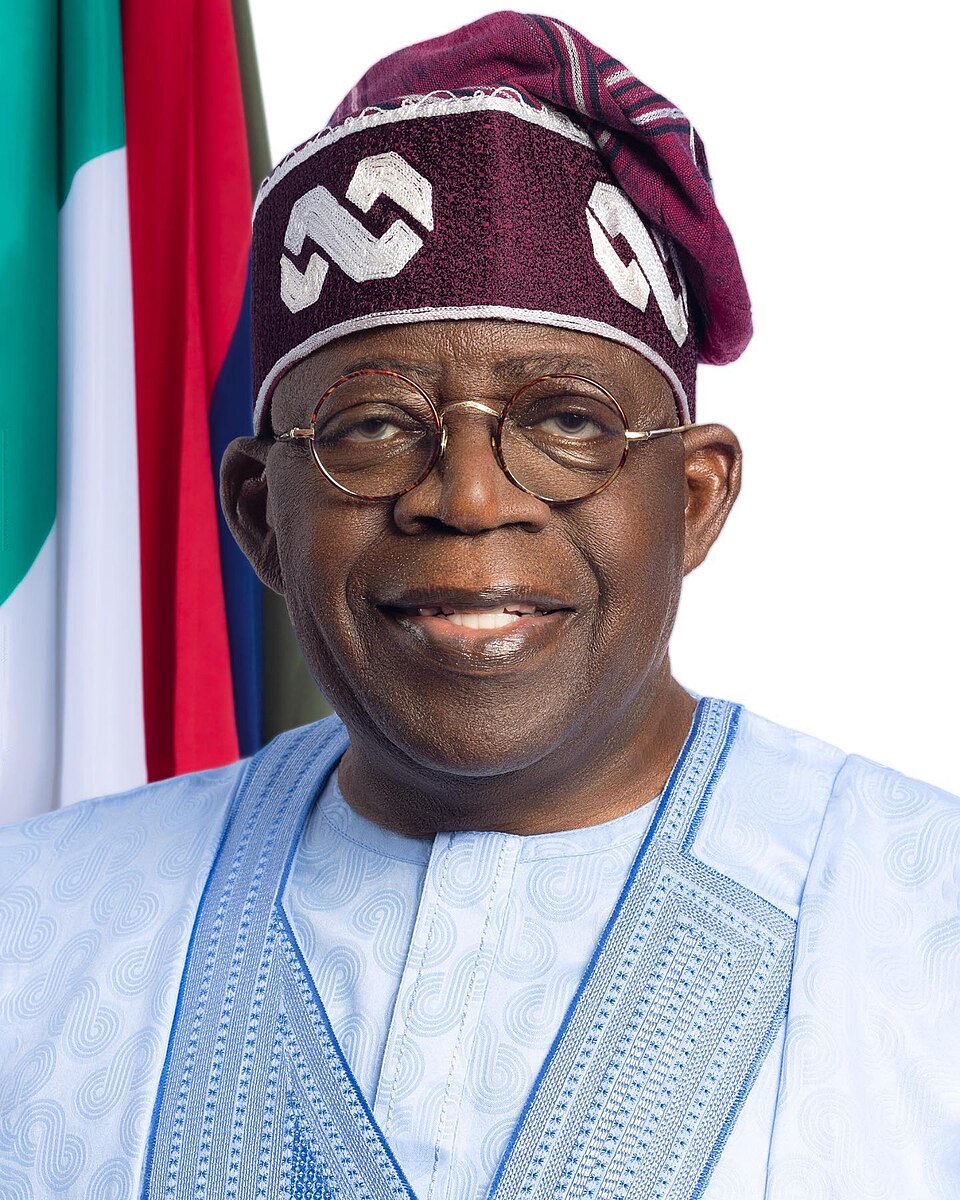
President Bola Tinubu has commissioned the Greater Abuja Water Supply Network, Loops 1, 2, 5, and 6, highlighting his administration’s commitment to sustainable infrastructure that improves citizens’ lives.
During the ceremony, he observed a moment of silence for victims of recent violence in Benue State and extended condolences to affected families.
The President urged Benue State leaders to maintain peace and harmony among themselves, describing Nigerians as a “huge family living in the same house.” He announced plans to visit Benue State to commiserate with victims’ families.
“While I sympathise with the people of Benue, I’ve spoken to the governor. The leadership of Benue should accept our condolences and try hard—very consciously—to maintain peace and harmony among themselves. We are a huge family living in the same house, staying in different rooms, but living together in harmony,” he said.
President Tinubu described the water network as transformative, guaranteeing safe and sufficient water for homes and institutions.
He emphasized that water is a basic human right, essential for public health, urban development, and economic growth.
“Water is life. It is not a luxury. It is a basic human right and a foundation for public health, urban development, and economic growth,” he said.
The President lauded the Federal Capital Territory Administration and project stakeholders for their dedication. He highlighted the Renewed Hope Agenda’s focus on tangible, people-centred projects that impact Nigerians’ daily lives.
President Tinubu thanked international development partners, particularly the Chinese Government and CGC Nigeria Limited, for their collaboration. He urged residents to protect the infrastructure and use water wisely.
“This water infrastructure is not only a technical milestone, but a moral one, because it is about equity. It ensures that no part of Abuja is left behind in our national development agenda.
“When we speak of the Renewed Hope Agenda, we mean tangible, people-focused projects that improve the daily lives of ordinary Nigerians. Water to drink, to clean, to grow, to build. That is a real project. It’s a treasure that we always take for granted.”
“We are not here today merely to lay the pipes. We are laying the groundwork for healthier families, stronger communities, and a more productive city,” he stated.
FCT Minister Nyesom Wike thanked the President for his support and interest in developing the capital city. He recounted the President’s early inquiries into Abuja’s infrastructure and highlighted ongoing efforts to extend water infrastructure to underserved communities.
“Mr. President, on behalf of the residents and administration of the FCT, we sincerely appreciate and thank you for taking the time to be with us again. Today marks the fourth day of the commissioning programs,” Wike said.
“I recall that when you came on board, you invited me and asked me one or two questions. One is, ‘Why is the mass transit train not working?’ You said, ‘I want to ride on that train.
“Secondly, you asked, ‘What is happening to the Abuja water supply?’ and you made it clear: ‘It’s not only rail infrastructure. We want the train to work and the water supplied to the city.” Wike added
The Acting Executive Secretary of the Federal Capital Development Authority provided a technical overview of the project, explaining that the new loops would serve 50 districts across Abuja’s phases two, three, and four.
The project involves laying 425 kilometers of ductile iron pipes and installing 1,670 appurtenances.