

WHO Calls For Stronger Global Partnerships To Strengthen Nigeria’s Health Sector
By Ali Mohammed Zanna, Maiduguri
The World Health Organization (WHO) has urged the international community to strengthen partnerships with Nigeria to improve healthcare delivery, enhance emergency preparedness and address emerging public health challenges.
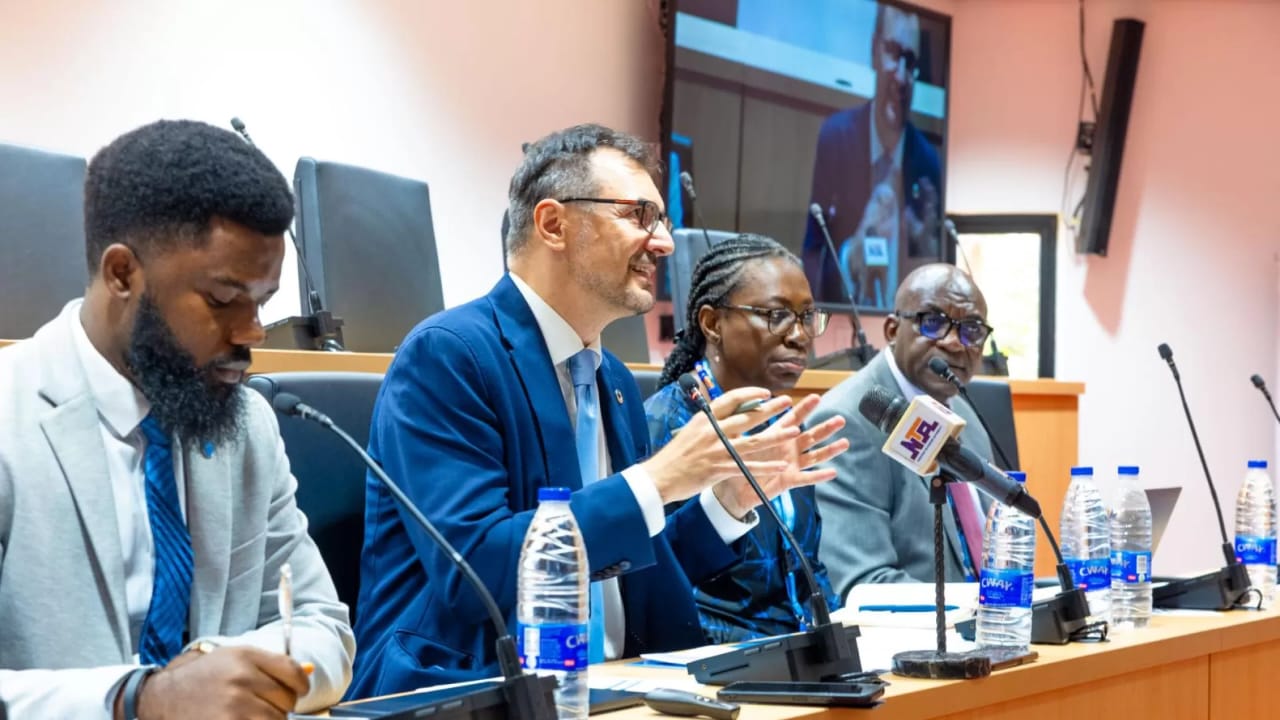
The call followed the second Health Diplomacy Dialogue organised by WHO in Nigeria, which attracted more than 60 representatives from 35 diplomatic missions, United Nations agencies, development partners and media organisations in Abuja.
The meeting provided a platform for discussions on how international cooperation could support Nigeria’s health sector reforms, improve access to sustainable financing and align global support with the country’s healthcare priorities.
Participants also examined global health reforms, the implementation of the Accra Reset and strategies to strengthen national leadership in healthcare development.
The WHO Representative in Nigeria, Dr Pavel Ursu, emphasised the need to translate diplomatic discussions into practical interventions capable of improving health outcomes.
He said health diplomacy should connect national priorities with regional and global initiatives while encouraging partners to work together towards common objectives.
According to the organisation, WHO has supported government-led efforts to improve disease surveillance, immunisation, laboratory services, outbreak preparedness and emergency response over the past 12 months.
The organisation is also providing technical assistance to Nigerian health authorities as part of preparations for Ebola virus disease, with personal protective equipment and laboratory reagents expected to strengthen the country’s readiness.
The dialogue highlighted the Federal Government’s Nigeria Health Sector Renewal Investment Initiative and the Sector-Wide Approach, which seek to improve coordination, strengthen national ownership and ensure that investments address agreed healthcare priorities.
Participants noted that public health threats, including infectious disease outbreaks, antimicrobial resistance and humanitarian emergencies, increasingly require coordinated responses across national borders.
The Honorary Consul of Colombia to Nigeria, Maricel Romero, said the COVID-19 pandemic had demonstrated the importance of international cooperation in preventing and managing health emergencies.
She explained that diplomatic platforms could strengthen relationships among countries, promote information sharing and encourage coordinated action against shared health challenges.
Similarly, the Head of Cooperation at the European Union Delegation to Nigeria, Massimo De Luca, called for sustained investment in immunisation, water and sanitation, and resilient health systems.
He stressed that such investments were essential to improving community health and strengthening global health security.
Antimicrobial resistance was another major issue at the dialogue.
Estimates presented at the meeting indicate that antimicrobial resistance is associated with more than one million deaths annually in Africa. Global projections suggest that the problem could contribute to as many as 39 million deaths between 2025 and 2050 if effective measures are not implemented.
Nigeria is expected to host the fifth High-Level Ministerial Conference on Antimicrobial Resistance in Abuja from December 6 to 8, 2026.
The conference is expected to bring together political leaders, technical experts, researchers, development partners and private-sector representatives to advance international efforts to address the growing threat.
Participants at the dialogue were encouraged to support high-level government participation, mobilise political and financial commitments, and contribute to the proposed Abuja Compact to strengthen the implementation of agreed measures.
The meeting ended with calls for closer engagement between diplomatic missions and Nigeria’s health sector, particularly in supporting ongoing reforms, strengthening emergency preparedness and accelerating efforts to tackle antimicrobial resistance.
WHO reaffirmed its commitment to using the Health Diplomacy Dialogue to promote international cooperation and ensure that Nigeria’s healthcare priorities receive attention in regional and global discussions.
The organisation said stronger partnerships, sustained investment and coordinated action would remain important to building a more resilient health system and improving health outcomes across Nigeria.